

Dental Services
personalized, compassionate care, exceeding expectations
Dental Implants
Dental Implants
Dental implants are artificial tooth roots, typically made from titanium, and topped with a ceramic or porcelain crown. For patients with removable partial dentures, implants can replace missing teeth so you have a more natural-looking smile.
Dental Veneers
Dental Veneers
Dental Crowns
Dental Crowns
Tooth Extraction
Tooth Extraction
Bridges & Dentures
Bridges & Dentures
Root Canals
Root Canals
Clear Aligners
Clear Aligners / Teeth Straightening
Dental Fillings
Dental Fillings
Initial Dental Exam
Initial Oral Exam
Preventive Dental
Program
Preventive Dental
Program
Pediatric
Dental Care
Pediatric
Dental Care
Gum Treatments
Gum Treatments
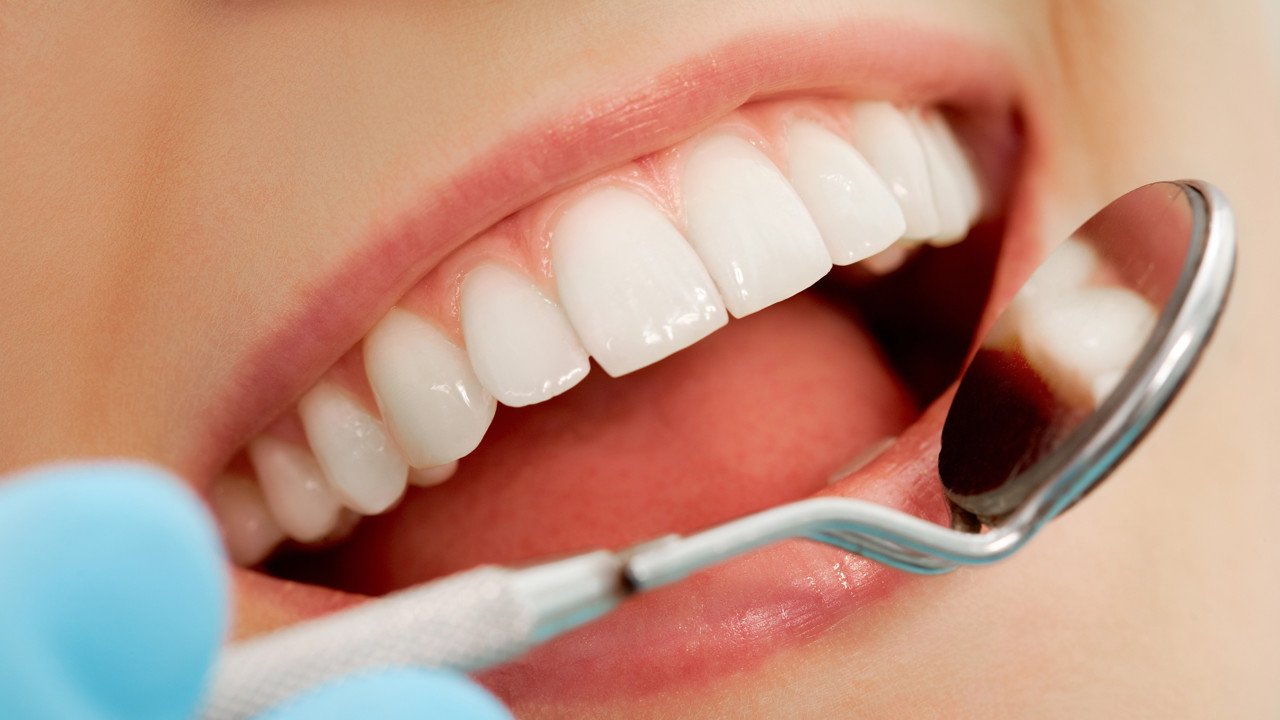
Dental Implants
Dental Implants
Dental implants are artificial tooth roots, typically made from titanium and topped with a ceramic or porcelain crown. implants can replace missing teeth so you have a more natural-looking smile.
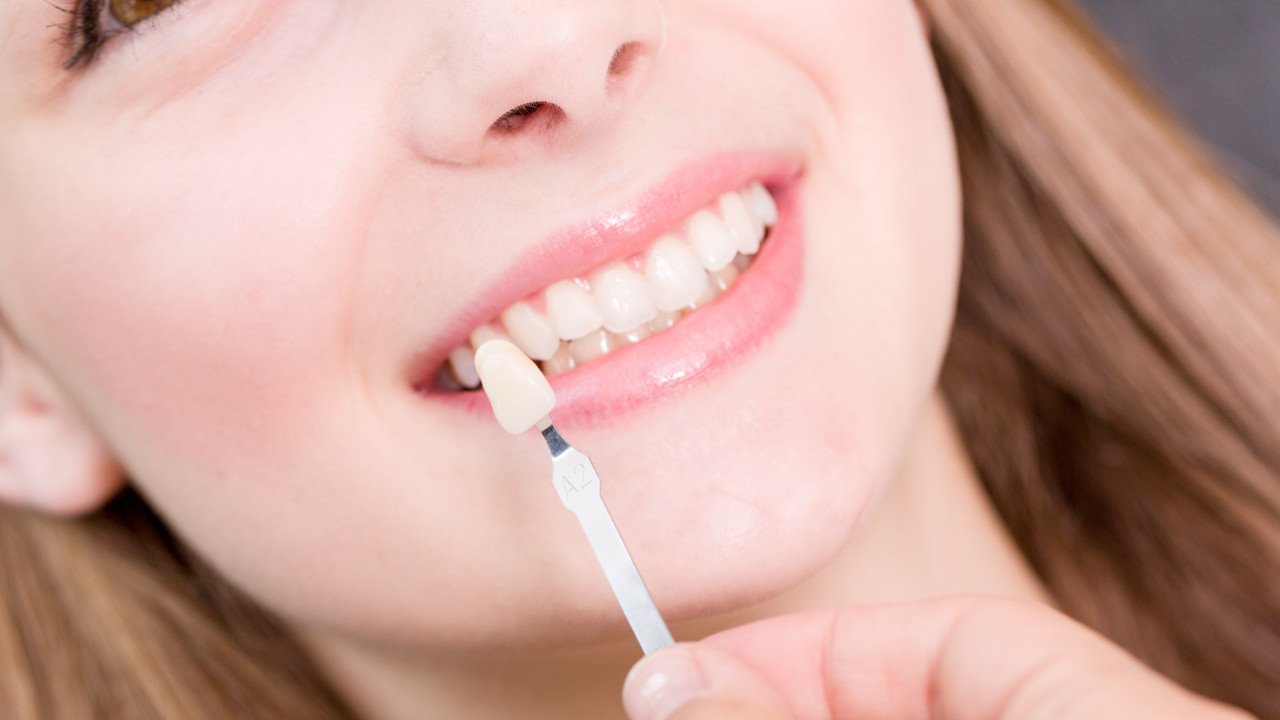
Dental Veneers
Dental Veneers
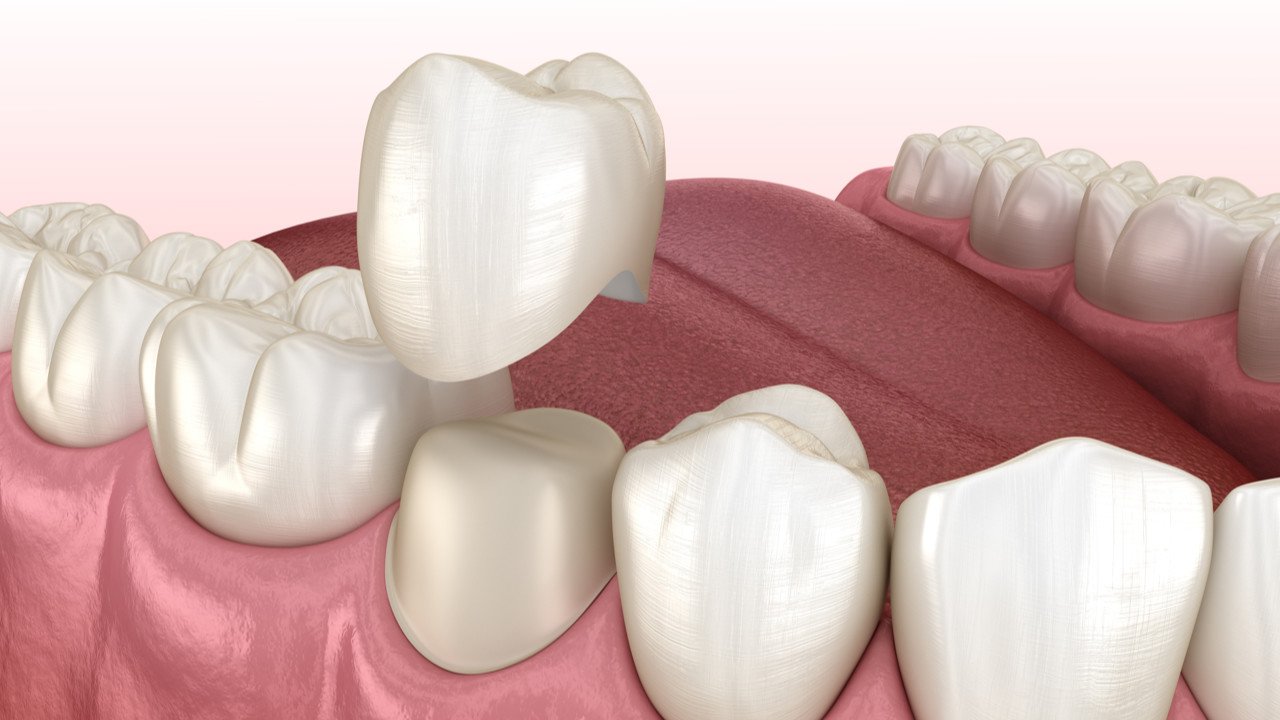
Dental Crowns
Dental Crowns

Tooth Extraction
Tooth Extraction

Bridges & Dentures
Bridges & Dentures
Root Canals
Root Canals
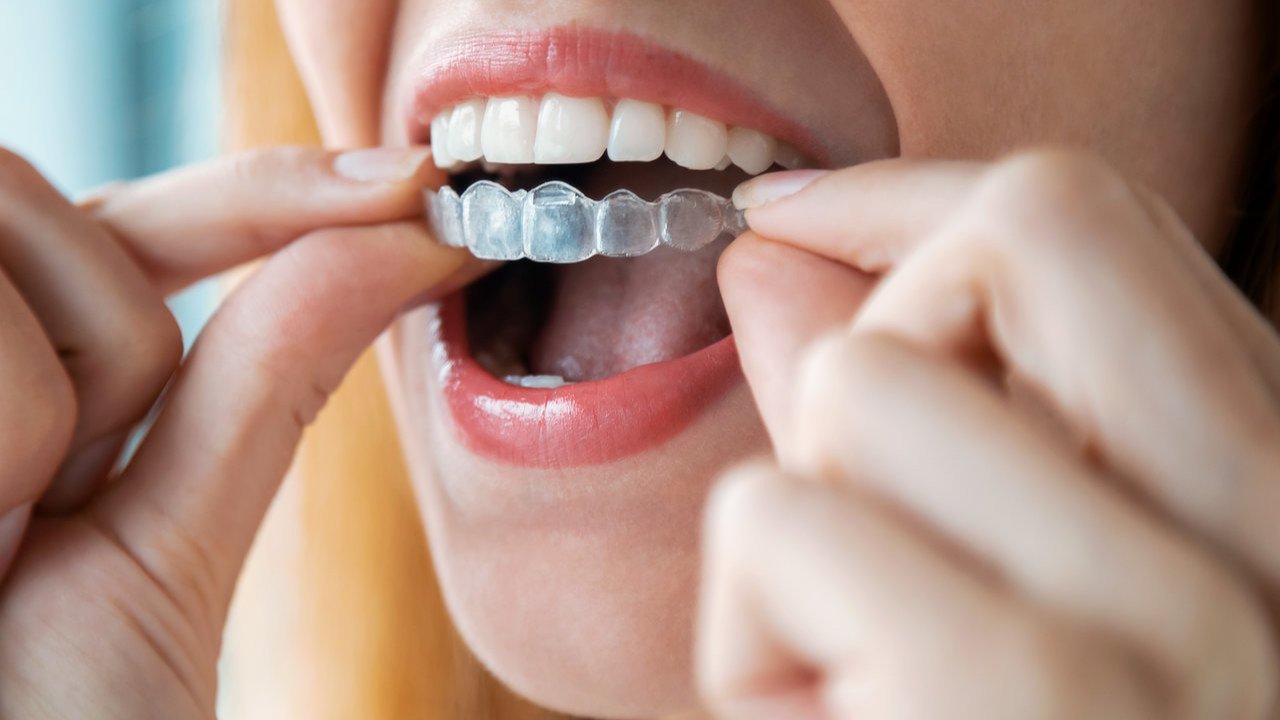
Clear Aligners
Clear Aligners / Teeth Straightening
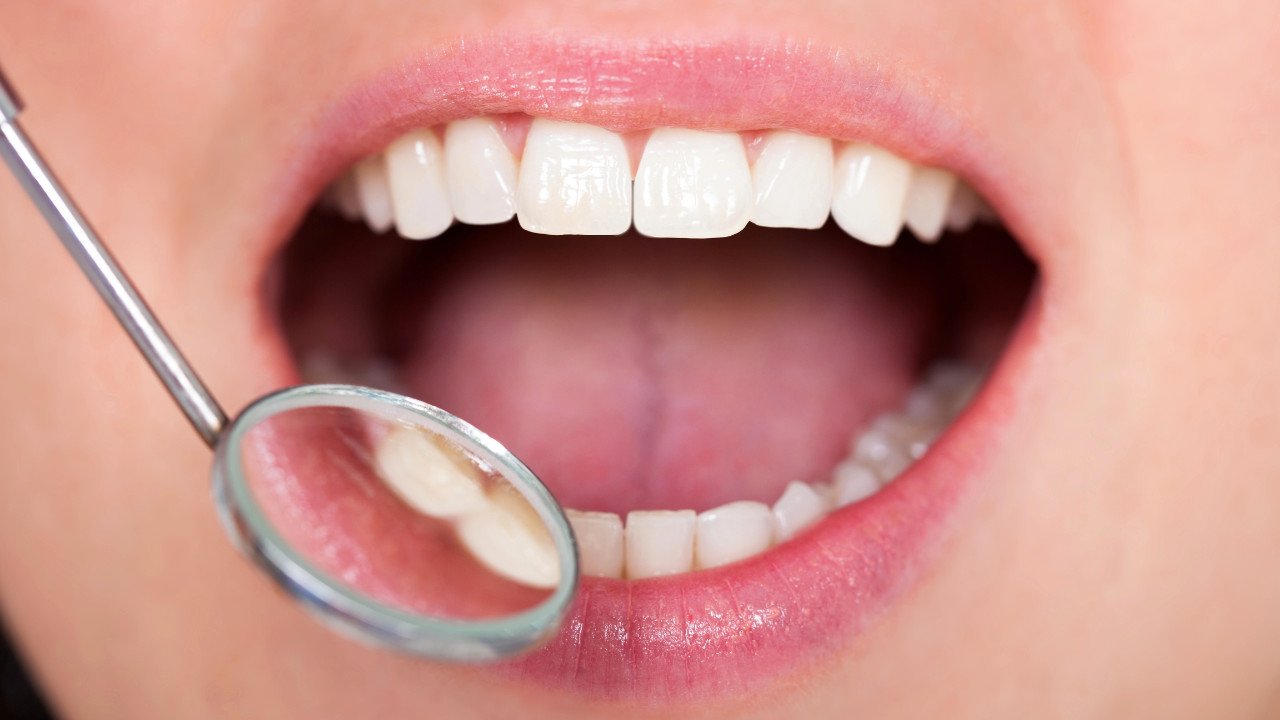
Dental Fillings
Dental Fillings
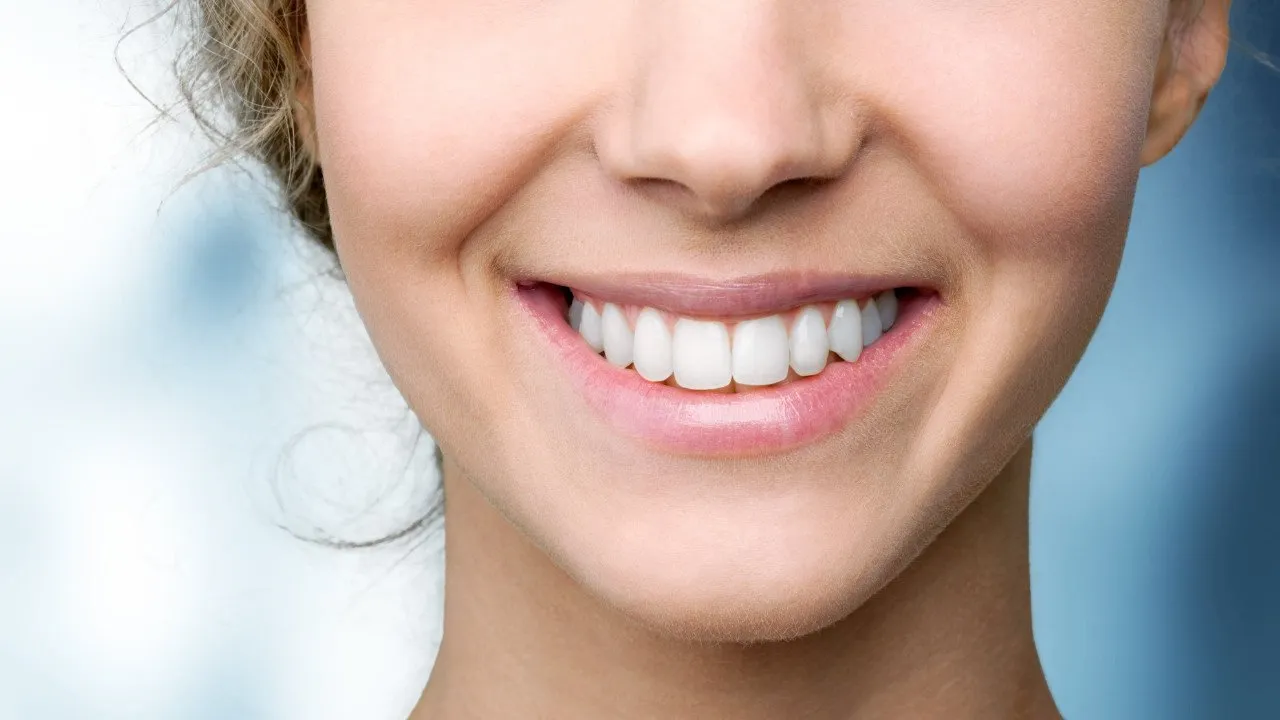
Initial Oral Exam
Initial Oral Exam
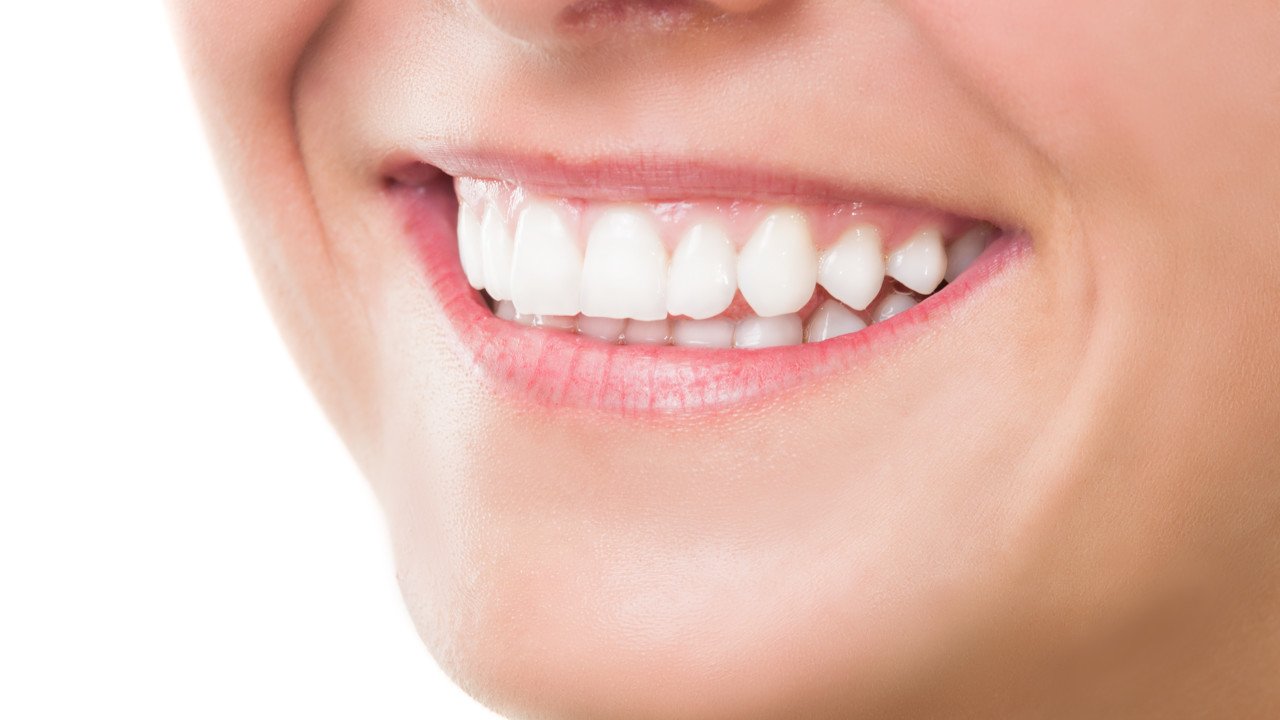
Gum Treatments
Gum Treatments
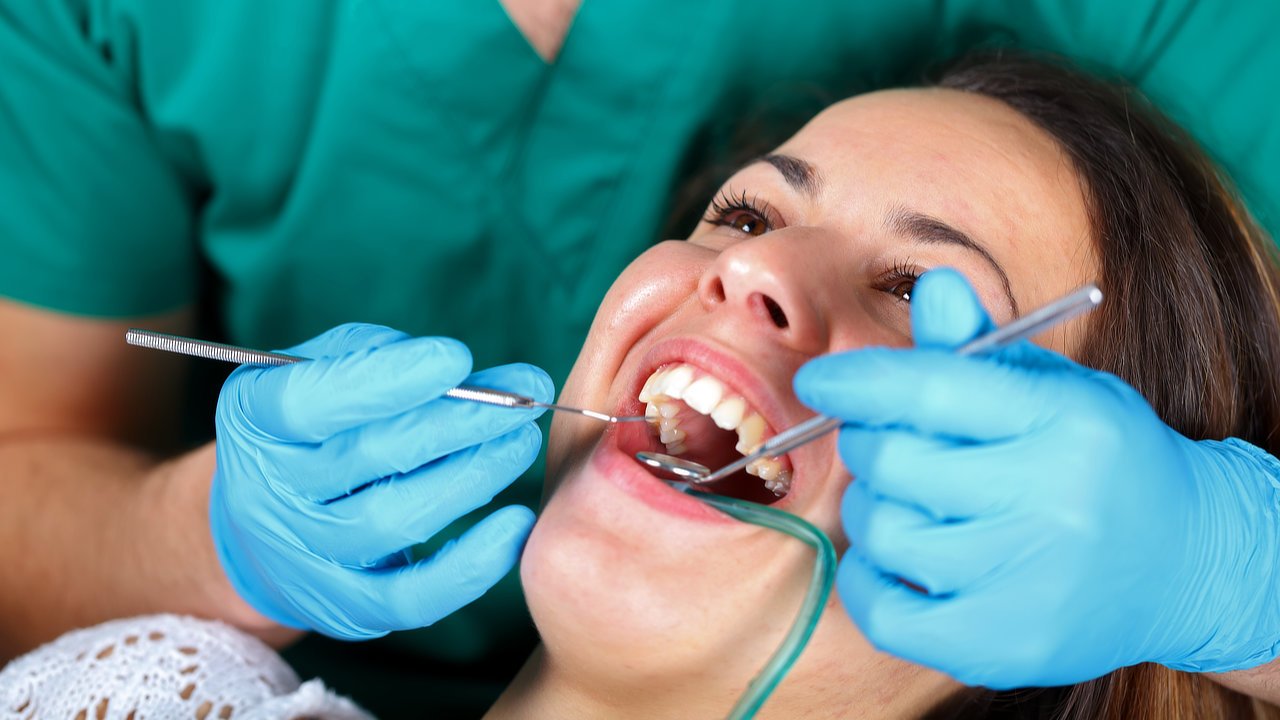
Preventive Dental
Program
Preventive Dental
Program

Pediatric
Dental Care
Pediatric
Dental Care
Dental Implants
Dental Implants
Dental implants are artificial tooth roots, typically made from titanium and topped with a ceramic or porcelain crown. implants can replace missing teeth so you have a more natural-looking smile.
Dental Veneers
Dental Veneers
Dental Crowns
Dental Crowns
Tooth Extraction
Tooth Extraction
Bridges & Dentures
Bridges & Dentures
Root Canals
Root Canals
Clear Aligners
Clear Aligners
Dental Fillings
Dental Fillings
Initial Dental Exam
Initial Dental Exam
Gum Treatments
Gum Treatments
Preventive Dental
Program
Preventive Dental
Program
Pediatric
Dental Care
Pediatric
Dental Care
What Dental Services Are Right for Me?
When considering what dental services that may be right for you, it’s important to get a professional assessment of your current oral health, dental history, and personal goals for your smile. All these are considered in your Initial Oral Exam.
Your Initial Oral Exam is a crucial step in determining your oral health and will set the stage for a lifetime of radiant smiles.
As time passes and circumstances change in our lives, regular dental visits are key to identifying the right services for you. Remember, maintaining good oral hygiene at home and following your dentist’s recommendations are crucial steps.
What should I expect during a routine dental check-up?
A routine dental check-up primarily involves two parts: examination and cleaning. During the examination, your dentist will check for cavities, plaque, and tartar on your teeth. Plaque is a clear, sticky layer of bacteria and, if not removed, can harden and become tartar, which you cannot remove with brushing.
Your gums will also be checked using a special tool to measure the depth of the spaces between your teeth and gums. Healthy gums have shallow spaces, whereas deeper spaces may indicate gum disease. Additionally, a thorough check-up includes an examination of your tongue, throat, face, head, and neck to look for any signs of trouble, swelling, or cancer.
How often should I visit the dentist?
Regular dental visits are crucial because they help to keep your teeth and gums healthy and allow early detection and treatment of any oral health issues.
What are the signs I should see a dentist immediately?
These symptoms could indicate various issues, from cavities and gum diseases to infections. Early intervention can prevent more severe complications and often leads to more straightforward, less invasive treatments.
What are the best ways to maintain oral health at home?
Additionally, use a mouthwash to help control plaque bacteria and to keep your breath fresh. Limiting sugary snacks and acidic drinks can also significantly reduce the risk of cavities. Remember, a balanced diet and not smoking are essential for maintaining healthy gums and teeth.
How can I overcome dental anxiety?
Dental anxiety is common, but there are several strategies to manage it. First, communicate your fears with your dentist – they are trained to help anxious patients and can adjust their approach accordingly. Scheduling your appointment at a time of day when you’re less anxious, practicing relaxation techniques like deep breathing, and bringing a friend for support can also help.
We offer sedation options for patients with severe anxiety, ranging from mild sedatives to more comprehensive options like general anesthesia for complex procedures.
What Our Patients Say…
Google Reviews
Google Reviews
Great experience!

Being a patient with super high anxiety, I was super impressed with staff & Dr. Ryan! They were understanding & got me in & out fast to reduce my exposure. Super laid back & honest. Great experience!
Beyond amazing!
I don’t often write reviews, but I am making an exception on this one. Doctor Ryan Smith and his staff over at York Village Dental are beyond amazing. The customer service is fantastic beyond words, and Dr. Ryan, makes you feel completely at ease.
I know I'm in good hands!
The whole practice is incredible. They work with you , explain everything , so you aren’t caught off guard. I’m not saying I’ll ever look forward to going to the dentist, but I’m not afraid anymore, I know I’m in good hands!
Love going to this office!
Love going to this office!
Had the best cleaning today.
Such an awesome hygienist… Dr. Ryan Smith is also very good…as a well as all of the staff. It’s a pleasure to go there for my dental care!
Couldn't have been kinder
Dr. Smith and the entire staff could not have been kinder to me when an old tooth cap came loose in my mouth. They got me right in for an appointment, repaired it quickly and were so pleasant.
I know I'm in good hands!
The whole practice is incredible. They work with you , explain everything , so you aren’t caught off guard. I’m not saying I’ll ever look forward to going to the dentist, but I’m not afraid anymore, I know I’m in good hands!
Compassionate Care | Superior Results
Compassionate Care
Superior Results
Start Your Transformation To a Beautiful Smilie!