

Sedation Dentistry
Sedation Dentistry: A Gentle Approach to Stress-Free Dental Care
At York Village Dental, we understand that visiting the dentist can be a source of anxiety for many patients. Sedation dentistry offers a solution by ensuring a stress-free and comfortable experience.
Whether you’re dealing with fear or simply want to make your next dental procedure more comfortable, understanding the different types of sedation dentistry can transform your dental visits. This is often the key to unlocking a more relaxed, pain-free dental care experience.
What is Sedation Dentistry?
At York Village Dental, we tailor our sedation options to meet the specific needs of each patient, ensuring a safe and pleasant experience.
Sedation dentistry can range from minimal sedation, where patients remain relaxed but fully awake, to moderate sedation, where patients are in a deeper state of relaxation but still aware of their surroundings.
The use of local anesthetics in conjunction with sedation helps to numb the specific area being treated, ensuring the procedure is pain-free. This combination makes dental treatments more accessible and less daunting for patients who might otherwise avoid visiting the dentist due to fear or anxiety.
Why Sedation Dentistry Is Important?
Dental anxiety is a significant barrier to oral health care for many people. It can lead to delayed treatments, worsening oral health conditions, and more complex procedures in the future.
Sedation dentistry addresses this issue by providing a calming environment where patients can undergo necessary treatments without fear. The use of local anesthetics further ensures that patients do not experience pain during procedures, making the overall experience more pleasant.
Why York Village Dental For Sedation Dentistry?
At York Village Dental, we are dedicated to providing a comfortable, safe, and welcoming environment for all our patients, ensuring a positive and reassuring experience with various sedation options to alleviate dental anxiety.
With a focus on patient education and a warm, inviting atmosphere, York Village Dental is the ideal choice for stress-free and effective sedation dentistry.

Options include:
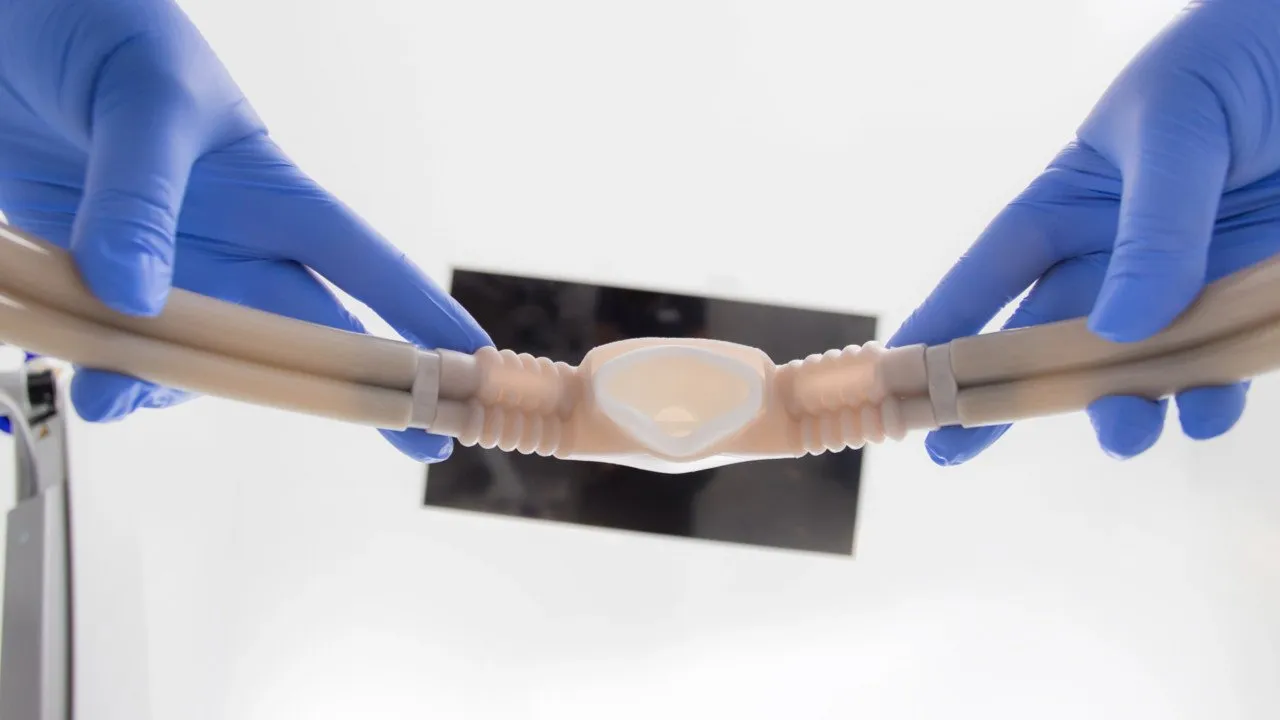
1. Nitrous Oxide (Inhaled Sedation): This is a gas you breathe in, which helps you relax during your dental procedure. The effects wear off quickly, and it is usually safe to drive shortly after the procedure.
2. Oral Sedation (Triazolam): This involves taking a pill, such as triazolam, which is a short-acting benzodiazepine. It helps you feel calm and is processed quickly by your body. However, the effects last longer than nitrous oxide, and it is generally not safe to drive after the procedure.
York Village Dental Now Offers
Buffered Anesthetics!
Say goodbye to the sting of traditional injections and hello to a smoother, more comfortable experience. Our new buffered anesthetics work faster and feel better, allowing you to relax while we take care of your smile.
Whether you’re here for a routine procedure or sedation dentistry, you’ll notice the difference immediately. Come experience cutting-edge dental care designed with your comfort in mind—because at York Village Dental, we believe every visit should be stress-free and easy!
Questions We Are Frequently Asked About Sedation Dentistry
What is Sedation Dentistry?
Sedation dentistry involves the use of sedative medications to help patients relax during dental procedures. It is a beneficial approach for individuals who experience dental anxiety or phobia, making it easier for them to receive necessary dental care without undue stress.
Sedation dentistry can range from minimal sedation, where patients are relaxed but fully awake, to moderate sedation, where patients are in a deeper state of relaxation but still aware of their surroundings.
At York Village Dental, we offer various sedation options tailored to meet the specific needs of each patient. This includes the use of local anesthetics in conjunction with sedation to ensure that the procedure is pain-free. By combining sedation with local anesthetics, we can provide a more comfortable and less daunting experience for patients who might otherwise avoid visiting the dentist due to fear or anxiety.
Will I Still Feel Any Pain During Sedation Dentistry?
At York Village Dental, we prioritize patient comfort and safety. Before starting the procedure, we ensure that the local anesthetic has taken full effect and that you are sufficiently sedated to feel at ease. This combination allows you to undergo dental treatments without the stress and pain often associated with dental visits.
Will I Be Put to Sleep During Sedation Dentistry?
Conscious sedation can be achieved using various methods, including oral sedatives and nitrous oxide (laughing gas). These sedatives work by calming your nerves and reducing anxiety without rendering you unconscious. This approach allows for a safe and controlled dental experience while ensuring you remain responsive and cooperative during the treatment .
What Will I Remember About the Procedure?
This memory gap can be particularly beneficial for patients with severe dental anxiety, as it helps create a more positive association with dental visits. By not remembering the procedure, patients are less likely to develop negative feelings or fears about future treatments, leading to improved oral health and a more positive attitude toward dental care.
How Will I Feel After the Procedure Is Over?
Typically, you will need someone to drive you home after your appointment to ensure your safety.
In the hours following the procedure, you should avoid strenuous activities and rest as much as possible. Drinking plenty of water and eating light meals can help your body process the sedative more efficiently. If you experience any unusual symptoms or prolonged discomfort, it is important to contact your dentist for further advice and support.
Which Form of Sedation is Most Common in Dentistry?
Nitrous oxide is a popular choice because it is easy to administer, takes effect quickly, and wears off rapidly, allowing patients to resume normal activities shortly after the procedure. It is often used for minimal sedation, keeping patients relaxed yet fully awake.
Oral sedation, which involves taking a sedative pill, is another widely used method. This type of sedation can range from minimal to moderate, depending on the dosage and the patient’s needs. Oral sedatives help reduce anxiety and make patients feel more comfortable during dental treatments. Both methods are effective and safe when administered by trained dental professionals .
How Does Oral Sedation Work?
At York Village Dental, we often combine oral sedation with a local anesthetic to ensure the procedure is pain-free. This dual approach helps you feel comfortable and at ease throughout the treatment. The effects of oral sedation can last for several hours, so it is important to arrange for someone to drive you home after your appointment.
How Does Nitrous Oxide Sedation Work?
One of the main advantages of nitrous oxide sedation is that its effects wear off quickly after the procedure is completed. This means you can resume your normal activities almost immediately, and you may even be able to drive yourself home. Nitrous oxide is a popular choice for minimal sedation due to its safety and efficacy.
Is Sedation Dentistry Safe?
At York Village Dental, we take every precaution to ensure the safety and comfort of our patients. Our team is trained in sedation techniques and equipped with the necessary monitoring and emergency equipment. By following strict protocols and guidelines, we can minimize the risks associated with sedation and provide a safe and effective dental care experience.
Is Sedation Dentistry Safe for Children?
The types of sedation commonly used for children include nitrous oxide and oral sedation, both of which are safe and effective when administered by trained professionals.
At York Village Dental, we take special care to ensure the safety and comfort of our youngest patients. Our team is experienced in pediatric sedation and follows strict guidelines to monitor and manage the sedation process. By creating a positive and stress-free dental experience for children, we help them develop healthy dental habits and a positive attitude towards oral care .
Are There Any Side Effects of Sedation Dentistry?
Common side effects include temporary grogginess, dry mouth, and occasionally hiccups. These effects usually subside within a few hours after the procedure.
It is important to follow your dentist’s post-procedure instructions to minimize any discomfort and ensure a smooth recovery.
At York Village Dental, we ensure that patients are fully informed about potential side effects before undergoing sedation. Our team is available to answer any questions and provide support during the recovery process.
If you experience any prolonged or unusual symptoms, it is important to contact us immediately for further evaluation and care.
When is Sedation Dentistry Especially Helpful?
By reducing anxiety and discomfort, sedation dentistry allows patients to receive the necessary dental care without the stress and fear that might otherwise prevent them from visiting the dentist. This approach helps improve overall oral health and ensures that patients can undergo multiple procedures in a single visit if needed, saving time and reducing the number of appointments.
Can I Drive Myself Home After Sedation Dentistry?
At York Village Dental, we recommend arranging for a friend or family member to accompany you to your appointment and drive you home afterward. This ensures your safety and allows you to rest and recover fully after the procedure. Our team will provide detailed post-procedure instructions to help you manage any residual effects of the sedation.
What are the Benefits of Sedation Dentistry?
Sedation dentistry also improves overall oral health by encouraging regular dental visits and reducing the fear and discomfort associated with dental treatments. By addressing dental issues promptly and effectively, patients can maintain better oral health and avoid more complex procedures in the future.
What Our Patients Say…
Google Reviews
Google Reviews
Great experience!

Being a patient with super high anxiety, I was super impressed with staff & Dr. Ryan! They were understanding & got me in & out fast to reduce my exposure. Super laid back & honest. Great experience!
Beyond amazing!
I don’t often write reviews, but I am making an exception on this one. Doctor Ryan Smith and his staff over at York Village Dental are beyond amazing. The customer service is fantastic beyond words, and Dr. Ryan, makes you feel completely at ease.
I know I'm in good hands!
The whole practice is incredible. They work with you , explain everything , so you aren’t caught off guard. I’m not saying I’ll ever look forward to going to the dentist, but I’m not afraid anymore, I know I’m in good hands!
Love going to this office!
Love going to this office!
Had the best cleaning today.
Such an awesome hygienist… Dr. Ryan Smith is also very good…as a well as all of the staff. It’s a pleasure to go there for my dental care!
Couldn't have been kinder
Dr. Smith and the entire staff could not have been kinder to me when an old tooth cap came loose in my mouth. They got me right in for an appointment, repaired it quickly and were so pleasant.
I know I'm in good hands!
The whole practice is incredible. They work with you , explain everything , so you aren’t caught off guard. I’m not saying I’ll ever look forward to going to the dentist, but I’m not afraid anymore, I know I’m in good hands!
Compassionate Care | Superior Results
Compassionate Care
Superior Results
Start Your Transformation To a Beautiful Smilie!