
Nitrous Oxide: Safe and Effective For A Comfortable Dental Experience
Nitrous oxide, commonly known as laughing gas, is a safe and effective sedation method that helps alleviate dental anxiety and ensures a more comfortable experience.
At York Village Dental, we are committed to providing our patients with the best possible care, and adding nitrous oxide to our sedation options is part of that commitment. This guide will provide detailed insights into the benefits, administration, and safety of nitrous oxide sedation, helping you understand how it can enhance your dental visits.
What is Nitrous Oxide?
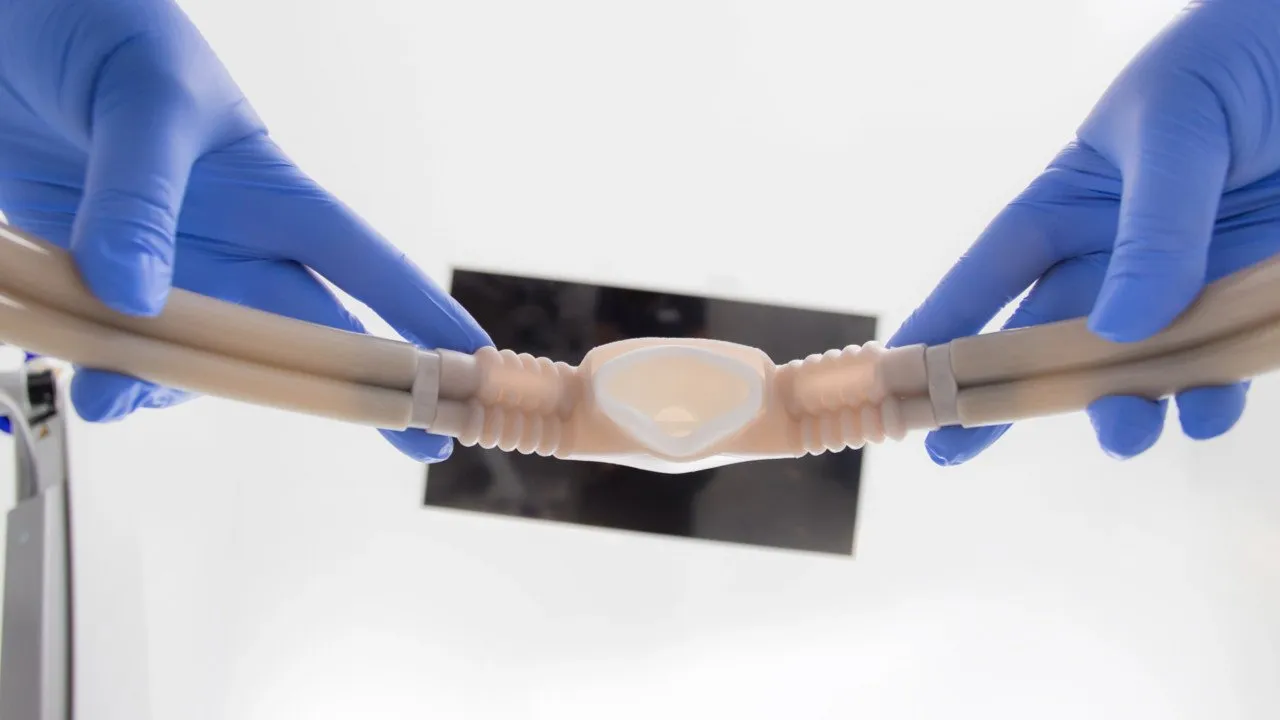
Nitrous oxide (N2O), commonly known as laughing gas, is a colorless and odorless gas used for its sedative and analgesic properties. It has been utilized in medical and dental settings for over 150 years, making it one of the most well-established sedation methods available. When inhaled, nitrous oxide induces a state of relaxation and euphoria, significantly reducing anxiety and discomfort during dental procedures. It works by depressing the nervous system, slowing down the body’s reaction to pain and creating a sense of calmness. The gas is typically administered through a small mask placed over the nose, allowing patients to breathe it in. The effects of nitrous oxide are felt within minutes and can be easily adjusted throughout the procedure to ensure optimal comfort. One of the significant advantages of nitrous oxide is its rapid onset and recovery; its effects wear off quickly once the mask is removed, allowing patients to resume their normal activities soon after their dental visit. Nitrous oxide is considered very safe, with minimal side effects when administered by a trained professional. It is a preferred choice for patients of all ages, including children, who experience dental anxiety or have a low pain threshold. The use of nitrous oxide can make dental visits more pleasant and less stressful, encouraging better oral health through regular dental care.How Nitrous Oxide Sedation Works
Nitrous oxide sedation is administered through a small mask placed over the patient’s nose. As the patient breathes normally, the nitrous oxide gas is inhaled, quickly entering the bloodstream. Within a few minutes, the gas induces a state of relaxation and calmness, helping to alleviate anxiety and discomfort. The sedation process involves a few key steps: 1. Initial Assessment: Before administering nitrous oxide, the dentist will review the patient’s medical history and any current medications to ensure the sedation is appropriate and safe. 2. Administration: A comfortable mask is placed over the patient’s nose. The patient is instructed to breathe normally, inhaling the nitrous oxide mixed with oxygen. The dentist will gradually adjust the concentration of nitrous oxide to achieve the desired level of sedation. 3. Monitoring: Throughout the procedure, the dentist and the dental team closely monitor the patient’s vital signs, including breathing, heart rate, and blood pressure. This ensures the patient’s safety and comfort at all times. 4. Sedative Effects: As the nitrous oxide takes effect, patients typically experience a sense of euphoria and relaxation. Some may feel a tingling sensation in their arms and legs, while others might feel light-headed. Despite these sensations, patients remain awake and can respond to the dentist’s instructions. 5. Adjustability: One of the significant benefits of nitrous oxide sedation is its adjustability. The dentist can easily increase or decrease the flow of nitrous oxide during the procedure, ensuring that the patient remains comfortable. 6. Recovery: Once the dental procedure is complete, the nitrous oxide is turned off, and the patient breathes pure oxygen for a few minutes. This helps to flush the remaining gas from the system. The effects of nitrous oxide wear off quickly, allowing patients to recover rapidly and resume their normal activities shortly after their appointment. Nitrous oxide sedation is an effective and safe method to help patients feel more comfortable during dental procedures. Its quick onset, adjustability, and rapid recovery make it an ideal choice for managing dental anxiety and ensuring a positive dental experience.Benefits of Nitrous Oxide Sedation
Nitrous oxide sedation offers numerous advantages for patients undergoing dental procedures. Here are some key benefits: 1. Quick Onset and Recovery: Nitrous oxide acts rapidly, producing sedation effects within minutes. Additionally, its effects dissipate quickly after the gas is turned off, allowing patients to recover rapidly and resume their normal activities shortly after their dental appointment. 2. Adjustable Sedation Levels: One of the most significant benefits of nitrous oxide is its adjustability. The dentist can easily control the level of sedation during the procedure by adjusting the concentration of nitrous oxide, ensuring the patient remains comfortable and relaxed throughout. 3. Minimally Invasive: Unlike other sedation methods that may require injections or oral medications, nitrous oxide sedation is administered through inhalation, making it a non-invasive option. This is particularly beneficial for patients who have a fear of needles or difficulty swallowing pills. 4. Reduction of Dental Anxiety: Dental anxiety is a common issue that prevents many people from seeking necessary dental care. Nitrous oxide sedation helps alleviate anxiety and creates a sense of calmness, making dental visits more pleasant and less stressful. This can lead to improved oral health as patients are more likely to attend regular dental appointments. 5. Enhanced Comfort: In addition to reducing anxiety, nitrous oxide can also enhance overall comfort during dental procedures. Patients often report a feeling of euphoria and relaxation, making the experience more tolerable and less intimidating. 6. Safety: Nitrous oxide is considered very safe when administered by a trained professional. It has been used for over a century in medical and dental settings with a strong track record of safety. The sedation level is easily controlled, and the gas is quickly eliminated from the body after use, reducing the risk of lingering side effects. 7. Suitable for All Ages: Nitrous oxide sedation is appropriate for patients of all ages, including children. Its gentle and adjustable nature makes it a versatile option for managing dental anxiety and ensuring a positive experience for young and adult patients alike. 8. No Need for Assistance Post-Appointment: Since the effects of nitrous oxide wear off quickly, patients typically do not require assistance or supervision after their dental appointment. They can drive themselves home and resume normal activities without prolonged recovery time. By offering these benefits, nitrous oxide sedation enhances the overall dental experience, making it a preferred choice for both patients and dental professionals.
Ideal Candidates for Nitrous Oxide Sedation
Nitrous oxide sedation is an excellent option for a wide range of patients due to its safety, ease of use, and effectiveness in reducing anxiety. Here are some profiles of ideal candidates: 1. Patients with Dental Anxiety or Fear: Those who experience significant anxiety or fear about dental visits can benefit greatly from the calming effects of nitrous oxide. It helps them feel more at ease, making it easier to undergo necessary dental treatments. 2. Low Pain Threshold: Individuals who have a low pain tolerance may find nitrous oxide beneficial as it not only reduces anxiety but also has mild analgesic properties, making procedures more comfortable. 3. Children: Young patients often feel nervous about dental visits. Nitrous oxide sedation is safe for children and can help them remain calm and cooperative during their appointments, leading to a more positive dental experience. 4. Patients with Gag Reflex: Some people have a strong gag reflex that makes dental procedures challenging. Nitrous oxide sedation can help relax the muscles and reduce the gag reflex, facilitating smoother treatment. 5. Individuals Requiring Extensive Dental Work: For patients who need multiple or lengthy procedures, nitrous oxide sedation can make it easier to sit through long appointments by keeping them relaxed and comfortable. 6. Patients with Special Needs: Those with physical or cognitive impairments may benefit from the calming effects of nitrous oxide, making it easier for them and the dental team to complete necessary treatments. 7. First-Time Dental Patients: People who are visiting the dentist for the first time may feel anxious or uncertain. Nitrous oxide can help create a more relaxed and positive initial experience, encouraging regular dental visits in the future. 8. Patients Seeking a Quick Recovery: Unlike other forms of sedation, nitrous oxide wears off quickly, allowing patients to resume their normal activities soon after the procedure without prolonged recovery time. Overall, nitrous oxide sedation is a versatile and effective option for a variety of patients, enhancing their comfort and reducing anxiety during dental visits. If you fit into any of these categories or have concerns about your dental treatment, discussing sedation options with your dentist can help determine if nitrous oxide is right for you.Safety and Side Effects
Nitrous oxide sedation is widely regarded as a safe and effective method for reducing dental anxiety and discomfort. However, as with any medical treatment, it is important to be aware of potential side effects and safety measures.
Safety Measures
1. Professional Administration: Nitrous oxide should always be administered by a trained dental professional who can monitor and adjust the dosage as needed. At York Village Dental, our team follows strict safety protocols to ensure your well-being throughout the procedure.
2. Monitoring: During the sedation process, your vital signs, including heart rate, blood pressure, and oxygen levels, will be continuously monitored. This ensures that any adverse reactions are promptly identified and addressed.
3. Pre-Treatment Assessment: Prior to administering nitrous oxide, your dentist will review your medical history and any medications you are currently taking. This helps to identify any potential contraindications and ensure that nitrous oxide is a suitable option for you.
Common Side Effects
Nitrous oxide is generally well-tolerated, but some patients may experience mild side effects, which typically subside quickly once the gas is turned off. Common side effects include:
1. Light-headedness: Some patients may feel slightly dizzy or light-headed during or after the administration of nitrous oxide. This sensation usually resolves within a few minutes.
2. Tingling Sensation: A tingling feeling in the arms and legs is a common effect of nitrous oxide. This is temporary and subsides soon after the gas is discontinued.
3. Nausea: In rare cases, patients may experience mild nausea. To minimize this risk, it is recommended to avoid heavy meals before the procedure.
4. Headache: A minor headache can occur after nitrous oxide sedation. This is uncommon and typically resolves on its own.
Managing Side Effects
The majority of side effects are mild and temporary. If you do experience any discomfort, inform your dentist immediately. They can adjust the flow of nitrous oxide or provide oxygen to help alleviate symptoms.
Long-Term Safety
Nitrous oxide has a long-standing history of safe use in dentistry, dating back over a century. When administered correctly, it is non-addictive and poses no risk of long-term health effects. The gas is quickly eliminated from the body once administration stops, reducing the likelihood of any residual effects.
Extensive Research and Clinical Use
Numerous studies and extensive clinical use have demonstrated the safety and efficacy of nitrous oxide. It is widely recognized as a reliable sedation method, with minimal risk when administered by trained professionals.
Non-Toxic and Non-Allergenic
Nitrous oxide is non-toxic and non-allergenic, making it a safe option for a broad range of patients. It does not accumulate in the body, and its effects are fully reversible within minutes after discontinuation.
Suitable for Repeated Use
For patients requiring multiple dental visits or procedures, nitrous oxide can be used repeatedly without cumulative negative effects. This makes it a versatile tool for managing dental anxiety over time.
Pediatric Safety
Nitrous oxide is also safe for children, who often benefit from its calming effects during dental visits. Pediatric patients can tolerate nitrous oxide well, with safety measures tailored to their specific needs.
Monitoring and Dosage Control
The safety of nitrous oxide is enhanced by the ability to precisely control the dosage during administration. Continuous monitoring of the patient’s vital signs ensures immediate response to any adverse reactions, further safeguarding their health.
Overall, nitrous oxide remains a cornerstone of safe dental sedation practices, offering reliable anxiety and pain management without long-term risks. If you have any specific health concerns or questions about its use, please consult with your dentist to ensure it is the right choice for your dental care needs.
Comparing Nitrous Oxide with Oral Sedation
When considering sedation options for dental procedures, it’s helpful to understand the differences between nitrous oxide and oral sedation. Both methods aim to reduce anxiety and ensure a comfortable experience, but they have distinct characteristics.Onset and Duration
– Nitrous Oxide: The effects of nitrous oxide are felt within minutes of inhalation. Once the administration stops, the sedation effects wear off quickly, usually within minutes. This allows patients to resume normal activities almost immediately after their appointment. – Oral Sedation: Oral sedation involves taking a prescribed medication, typically in pill form, before the procedure. The onset of sedation takes longer, usually 30 to 60 minutes. Additionally, the effects of oral sedation can last for several hours, requiring patients to arrange transportation to and from their appointment and avoid certain activities for the rest of the day.Control and Adjustability
– Nitrous Oxide: One of the significant advantages of nitrous oxide is its adjustability. The dentist can easily control the level of sedation during the procedure, increasing or decreasing the concentration as needed. This ensures the patient remains comfortable throughout the procedure. – Oral Sedation: Oral sedation levels are less adjustable once the medication has been taken. The dosage is determined before the appointment, and any adjustments are limited. This can be a drawback if the patient requires more or less sedation than initially anticipated.Patient Experience
– Nitrous Oxide: Patients remain awake and responsive while under nitrous oxide sedation. They may feel relaxed and slightly euphoric, but they can still communicate with the dentist. This can be reassuring for patients who prefer to remain aware of their surroundings. – Oral Sedation: Oral sedation often produces a deeper level of relaxation, with some patients feeling drowsy or even falling asleep. This can be beneficial for those who prefer not to be conscious during their dental procedure.Safety and Side Effects
– Nitrous Oxide: Nitrous oxide is generally very safe with minimal side effects, such as light-headedness or nausea, which usually resolve quickly after the gas is discontinued. Its quick recovery time makes it a convenient option for many patients. – Oral Sedation: Oral sedation can have more pronounced side effects, including grogginess, dry mouth, and memory lapses about the procedure. Because the sedative effects linger, patients need to follow specific post-procedure care instructions to ensure safety.Suitability for Different Patients
– Nitrous Oxide: Suitable for a wide range of patients, including children, due to its gentle and adjustable nature. It is particularly beneficial for those with mild to moderate dental anxiety or those undergoing shorter procedures. – Oral Sedation: Often preferred for patients with moderate to severe dental anxiety or those undergoing longer, more complex procedures. Its deeper sedative effects provide a more profound sense of relaxation. By understanding these differences, patients can make an informed decision about which sedation method is best suited to their needs. Discussing these options with your dentist can help ensure a comfortable and stress-free dental experience.Preparing for Your Nitrous Oxide Sedation Appointment
Proper preparation can help ensure a smooth and comfortable experience during your nitrous oxide sedation appointment. Here are some steps to follow:Pre-Appointment Guidelines
1. Medical History Review: Inform your dentist about your complete medical history, including any medications you are taking. This helps determine if nitrous oxide is safe for you. 2. Avoid Heavy Meals: It’s best to avoid eating large meals for at least two hours before your appointment. A light snack is usually acceptable, but check with your dentist for specific recommendations. 3. Clothing: Wear comfortable clothing to your appointment to ensure you feel relaxed. 4. Arrival Time: Arrive a bit early to complete any necessary paperwork and to discuss any last-minute questions or concerns with your dentist.During the Procedure
1. Administration: A small mask will be placed over your nose. Breathe normally as the nitrous oxide is administered. The dentist will adjust the flow of gas to achieve the desired level of sedation. 2. Monitoring: Your vital signs will be continuously monitored to ensure your safety. You’ll remain awake and able to communicate with the dental team throughout the procedure. 3. Relaxation: Focus on your breathing and relax. The nitrous oxide will help you feel calm and at easeAfter the Procedure
1. Recovery: Once the nitrous oxide is turned off, you will breathe pure oxygen for a few minutes. This helps flush the remaining gas from your system. 2. Immediate Effects: The sedative effects wear off quickly, allowing you to return to your normal activities shortly after your appointment. Most patients can drive themselves home and do not require any special assistance. 3. Post-Procedure Instructions: Follow any specific post-procedure instructions provided by your dentist. These may include avoiding certain foods or activities for a short period. By following these guidelines, you can help ensure a positive and comfortable experience with nitrous oxide sedation. If you have any questions or concerns, don’t hesitate to discuss them with your dentist prior to your appointment.In Conclusion
Nitrous oxide sedation is a valuable tool in modern dentistry, offering a safe, effective, and convenient way to manage dental anxiety and discomfort. Its quick onset, adjustable levels, and rapid recovery make it an ideal choice for many patients, from those with mild anxiety to children and individuals undergoing extensive procedures.
By understanding how nitrous oxide works, its benefits, and its safety profile, patients can feel more confident and at ease during their dental visits. At York Village Dental, we are committed to providing the best care possible, ensuring that each patient’s experience is comfortable and stress-free.
If you have any questions or would like to learn more about whether nitrous oxide sedation is right for you, we encourage you to speak with our team. We are here to help you achieve a positive and relaxed dental experience.
Call to Book Your Appointment Today
(207) 363-6551
York Village Dental – Where Beautiful Smiles Begin