

Wisdom teeth, also known as third molars, often need to be removed due to various complications. This comprehensive guide covers everything you need to know about wisdom teeth removal surgery, from preparation to recovery. Whether you’re scheduled for wisdom teeth extraction or just curious, this article is packed with valuable insights.
What Are Wisdom Teeth?
Wisdom teeth are the last set of molars that typically emerge in the late teens or early 20s. Located at the back of your mouth, these teeth are known as “wisdom” teeth because they appear at a more mature age compared to other teeth. Each person usually has four wisdom teeth, one in each corner of the mouth. While some people experience no issues with their wisdom teeth, others may face significant problems as these teeth develop.
The primary reason for complications is the lack of space in the jaw for these additional molars. As a result, wisdom teeth can become impacted, meaning they are unable to emerge properly through the gum line. This can lead to a range of dental issues, including pain, swelling, infection, and damage to adjacent teeth. Additionally, impacted wisdom teeth can cause cysts or tumors to form, which may damage the jawbone and nearby structures.
Why Do Wisdom Teeth Need to Be Removed?
Wisdom teeth often need to be removed to prevent or resolve various dental problems. Here are some common reasons for wisdom teeth removal:
1. Impaction
Impacted wisdom teeth can cause significant discomfort and complications. When a tooth is impacted, it may only partially emerge or remain trapped beneath the gum and bone. This can lead to pain, infection, and damage to other teeth.
2. Crowding
Wisdom teeth can contribute to dental crowding, particularly if there isn’t enough space in the jaw for them to grow properly. This crowding can misalign other teeth, undoing the effects of orthodontic treatments and causing bite problems.
3. Infection and Gum Disease
Partially erupted wisdom teeth can create openings in the gum, making it difficult to clean the area properly. This can lead to an increased risk of gum disease and infection, which can cause pain, swelling, and further dental complications.
4. Cysts and Tumors
In rare cases, impacted wisdom teeth can lead to the formation of cysts or tumors. These growths can damage the jawbone, teeth, and nerves, requiring more extensive treatment to address the issue.
5. Preventive Measure
Even if your wisdom teeth aren’t currently causing problems, your dentist or oral surgeon may recommend their removal as a preventive measure. Removing them early can prevent future complications, especially if X-rays show that the teeth are likely to cause issues as they continue to develop.
Understanding Wisdom Teeth Removal Surgery
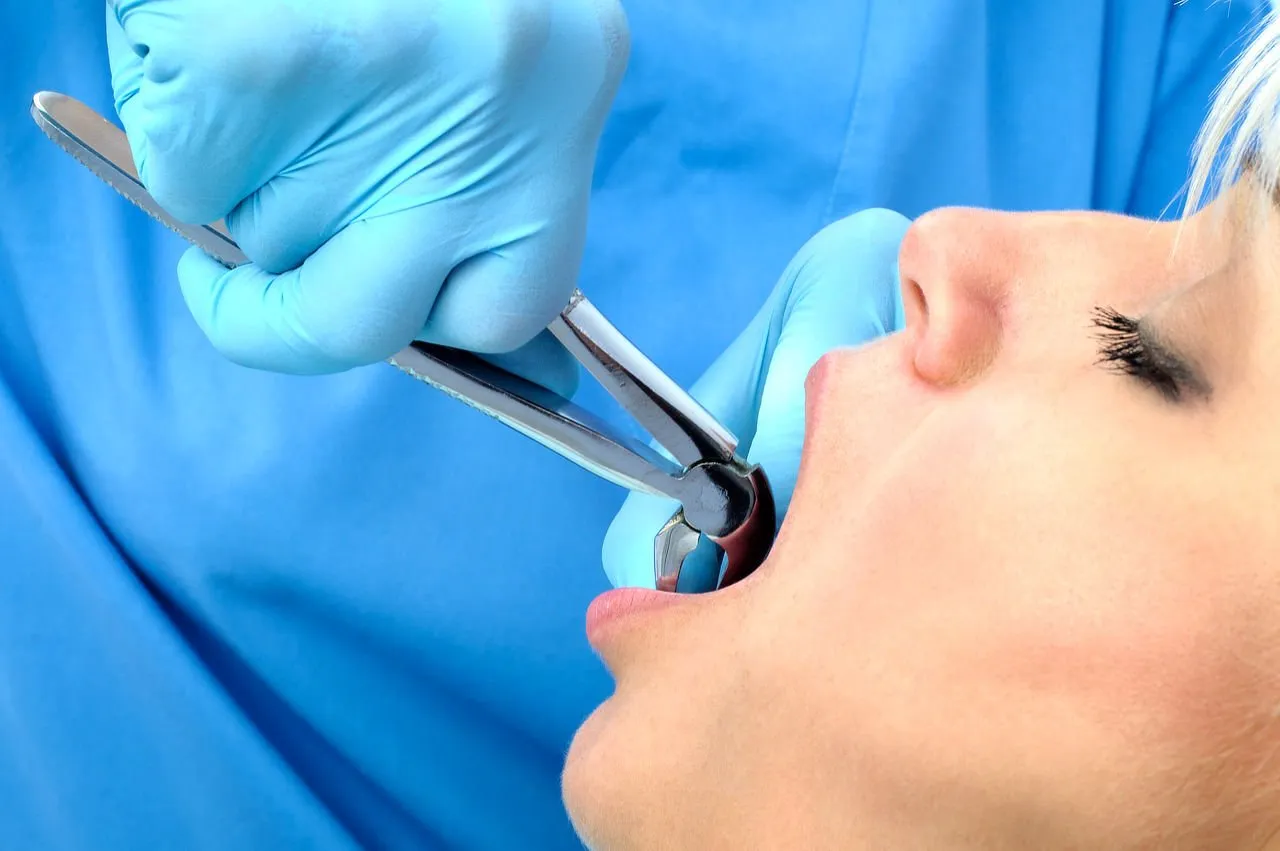
Wisdom teeth removal surgery is a common procedure that involves extracting one or more wisdom teeth. The surgery is typically performed by an oral surgeon, although a general dentist may also perform the extraction in less complicated cases. The procedure can vary in complexity, depending on factors such as the position and condition of the teeth.
Types of Anesthesia
The type of anesthesia used during wisdom teeth removal can vary based on the complexity of the surgery and the patient’s preference. Options include:
1. Local Anesthesia: Numbs the area around the extraction site while the patient remains awake. This option is suitable for simpler extractions.
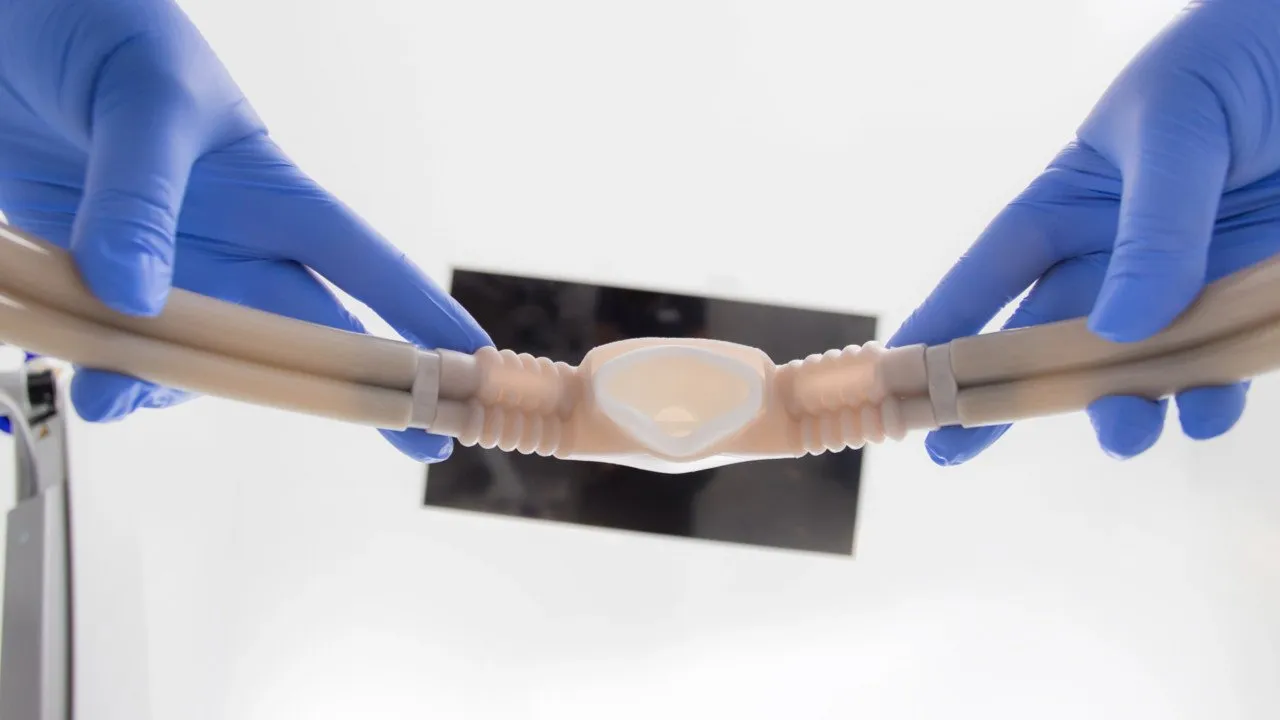
2. Nitrous Oxide: Commonly known as laughing gas, nitrous oxide is inhaled through a mask to help the patient relax. The patient remains awake but is more comfortable and less anxious during the procedure.
The Procedure
The procedure for removing wisdom teeth generally follows these steps:
1. Preparation: The patient is prepared for surgery, including the administration of anesthesia.
2. Incision: An incision is made in the gum tissue to expose the tooth and bone. In some cases, bone blocking access to the tooth may need to be removed.
3. Extraction: The wisdom tooth is carefully extracted. If the tooth is impacted, it may be divided into smaller pieces to facilitate removal.
4. Stitches: The extraction site may be stitched to promote healing. These stitches typically dissolve on their own after a few days.
5. Gauze Placement: Gauze is placed over the extraction site to control bleeding and help a blood clot form.
Duration
The surgery typically takes about an hour, although this can vary depending on the number of teeth being removed and their condition. After the procedure, the patient is monitored in a recovery area until the effects of the anesthesia wear off, at which point they can go home the same day.
How to Prepare for Wisdom Teeth Removal
Proper preparation for wisdom teeth removal can help ensure a smoother procedure and recovery. Here are some essential steps to take before your surgery:
1. Follow Pre-Operative Instructions
We will provide specific instructions to follow before the surgery. These may include:
– Fasting from midnight the night before the surgery if general anesthesia or IV sedation will be used.
– Arranging for someone to drive you home after the procedure, as you won’t be able to drive yourself.
– Avoiding certain medications or supplements that can increase bleeding risk.
2. Prepare Your Home
Set up a comfortable recovery area at home with everything you’ll need, such as:
– Soft foods like yogurt, applesauce, and mashed potatoes.
– Ice packs to reduce swelling.
– Gauze pads to control bleeding.
– Over-the-counter pain medications, if recommended by your oral surgeon.
3. Plan for Time Off
Arrange for time off work or school to rest and recover. Most people need at least a few days to a week to recuperate, depending on the complexity of the extraction and their individual recovery process.
4. Discuss Any Concerns
Talk to your dentist or oral surgeon about any concerns or questions you have about the procedure. Understanding what to expect can help alleviate anxiety and ensure you’re fully prepared.
What to Expect During the Surgery
Understanding what happens during wisdom teeth removal surgery can help ease any apprehensions you may have. Here’s a detailed overview of the procedure:
Arrival and Preparation
Upon arrival at the York Village Dental office, you’ll be escorted to the treatment room. Dr. Smith and his team will review your medical history and discuss the anesthesia options with you. Once you’ve confirmed your choice, they will prepare you for the procedure.
Administering Anesthesia
The type of anesthesia you’ve chosen will be administered to ensure you’re comfortable during the surgery. If you’re receiving local anesthesia, we will numb the extraction area. For Nitrous Oxide a small mask will be placed over your nose through which you will inhale which helps you relax. Even though you remain awake you will be more comfortable and less anxious during the procedure.
The Extraction Process
1. Incision: We make an incision in the gum tissue to expose the wisdom tooth and surrounding bone.
2. Bone Removal: In some cases, a small amount of bone blocking access to the tooth may need to be removed.
3. Tooth Extraction: The wisdom tooth is carefully extracted. If the tooth is impacted, it may be divided into smaller pieces to facilitate removal.
4. Stitches: The extraction site may be stitched to promote healing. These stitches typically dissolve on their own after a few days.
5. Gauze Placement: Gauze is placed over the extraction site to control bleeding and help a blood clot form.
Recovery
After the surgery, our staff will monitor you until the anesthesia begins to wear off. You’ll receive post-operative care instructions, including how to manage pain, reduce swelling, and care for the extraction site. Once you’re stable and alert, you’ll be discharged to go home.
Pain Management After Wisdom Teeth Removal
Pain management is a crucial aspect of recovery after wisdom teeth removal. Here’s how you can effectively manage pain and swelling:
Medications
You will prescribe pain medications to help manage discomfort. These may include:
– Prescription Pain Relievers: For more severe pain, stronger prescription medications may be necessary.
– Over-the-Counter Pain Relievers: Medications like ibuprofen can help reduce pain and inflammation.
Ice Packs
Applying ice packs to your cheeks can help reduce swelling and numb the area, providing relief from pain. Use the ice packs in 20-minute intervals for the first 24 hours after surgery.
Rest and Elevation
Resting is essential for recovery. Keep your head elevated, even while sleeping, to minimize swelling. Avoid strenuous activities for at least a few days to prevent increased bleeding and discomfort.
Soft Foods
Stick to a soft food diet for the first few days after surgery. Foods like yogurt, mashed potatoes, and smoothies are easy to eat and won’t irritate the extraction site. Avoid hot foods and drinks, as they can increase swelling and pain.
Oral Hygiene
Gently brush your teeth, avoiding the surgical area, to keep your mouth clean. After the first 24 hours, you can start rinsing your mouth with a saltwater solution to help keep the extraction site clean. Avoid using mouthwash, as it can be too harsh during the initial healing period.
How Long Does It Take to Recover from Wisdom Teeth Removal?
The recovery process varies from person to person, but here is a general timeline of what to expect:
First 24 Hours
– You may experience bleeding from the extraction site, which can be controlled with gauze.
– Swelling and bruising around the cheeks and jaw are common.
– Pain and discomfort are typically managed with prescribed medications and ice packs.
– Rest and avoid strenuous activities.
Days 2-3
– Swelling and bruising may peak but should start to improve.
– Continue to manage pain with medications and ice packs.
– Stick to a soft food diet and stay hydrated.
– Gently rinse your mouth with a saltwater solution.
Days 4-7
– Swelling and bruising should begin to subside.
– You can gradually reintroduce more solid foods as you feel comfortable.
– Continue to follow your oral surgeon’s instructions for oral hygiene and care of the extraction site.
Weeks 2-4
– The extraction site will continue to heal, and stitches (if used) will dissolve on their own.
– Full recovery and healing of the extraction site can take several weeks.
– Avoid activities that could disrupt the healing process, such as smoking or using straws.
Common Complications and How to Avoid Them
While wisdom teeth removal is generally safe, complications can occur. Here are some common issues and how to avoid them:
Dry Socket
Dry socket occurs when the blood clot that forms in the socket after a tooth extraction is dislodged or dissolves, exposing the underlying bone and nerves. It can cause severe pain and delay the healing process.
Prevention Tips:
– Avoid smoking, using straws, and vigorous rinsing or spitting.
– Follow your oral surgeon’s post-operative care instructions carefully.
– Maintain a gentle oral hygiene routine.
Infection
Infection can occur if bacteria enter the extraction site, causing pain, swelling, and redness.
Prevention Tips:
– Keep the extraction site clean by gently rinsing with a saltwater solution.
– Avoid using mouthwash, as it can be too harsh during the initial healing period.
– Take any prescribed antibiotics as directed by your oral surgeon.
Nerve Damage
In rare cases, wisdom teeth removal can result in nerve damage, leading to numbness or tingling in the lips, tongue, or chin.
Prevention Tips:
– Follow all pre- and post-operative care instructions to minimize the risk of complications.
Excessive Bleeding
Excessive bleeding can occur if the blood clot is dislodged or if there is an underlying medical condition that affects blood clotting.
Prevention Tips:
– Bite down on gauze pads to help form a blood clot and control bleeding.
– Avoid activities that could dislodge the blood clot, such as vigorous rinsing or spitting.
– Contact us if bleeding persists or becomes severe.
Tips for a Smooth Recovery
Following these tips can help ensure a smooth and speedy recovery after wisdom teeth removal:
– Rest as Much as Possible: Allow your body time to heal by resting and avoiding strenuous activities.
– Eat a Soft Food Diet: Stick to soft foods like yogurt, mashed potatoes, and smoothies to avoid irritating the extraction site.
– Use an Ice Pack: Apply ice packs to reduce swelling and bruising.
– Gently Brush Your Teeth: Maintain good oral hygiene by gently brushing your teeth, avoiding the surgical area.
– Follow Our Instructions: Adhere to all post-operative care instructions provided by your oral surgeon.
– Schedule a Follow-Up Appointment: Ensure proper healing by scheduling a follow-up appointment.
Summary
– Wisdom teeth are the last set of molars, often removed to prevent dental issues.
– Surgery involves extracting one or more wisdom teeth, usually performed by an oral surgeon or dentist.
– Preparation includes following specific guidelines and arranging for post-surgery care.
– Pain management is crucial for recovery, with prescribed medications and ice packs.
– Recovery typically takes three to five days, with full healing in a few weeks.
– Avoid complications by following post-operative care instructions.
– Gentle oral hygiene and a soft food diet promote a smooth recovery.
– Contact Our Office if you experience severe pain, swelling, or signs of infection.
Call to Book Your Appointment Today
(207) 363-6551
York Village Dental – Where Beautiful Smiles Begin