
What to Expect When Getting Gum Disease Treatments
Navigating the Path to Healthier Gums
Gum Disease Treatments can be a source of anxiety for many patients. Understanding what to expect can significantly ease this anxiety and prepare you for the road ahead. Gum disease, or periodontal disease, is a common condition, but with the right treatment, its effects can be successfully managed or even reversed.
This guide aims to provide a comprehensive overview of what patients can expect during gum disease treatments, including timeframes and essential post-care tips.
Initial Consultation and Diagnosis
Understanding Your Oral Health
The first step in treating gum disease is a thorough examination by your dentist or periodontist. During this initial consultation, your dental professional will assess the health of your gums, teeth, and bone structure.
This may involve measuring the depth of the pockets around your teeth and taking X-rays to evaluate bone loss. You’ll also have the opportunity to discuss your medical history, as certain conditions like diabetes can affect gum health.
Developing a Personalized Treatment Plan
Based on the examination, your dentist will diagnose the stage of your gum disease – whether it’s gingivitis, the earliest stage, or a more advanced form like periodontitis.
Treatment plans are tailored to the severity of the disease and your overall health. Your dentist will explain the recommended procedures, potential risks, and expected outcomes, ensuring you have a clear understanding of the path forward.
The Treatment Process
Non-Surgical Treatments
For many patients, especially those in the early stages of gum disease, non-surgical treatments can be highly effective. These may include scaling and root planing, a deep cleaning process that removes plaque and tartar from below the gum line and smooths the roots of the teeth.
This procedure is typically done under local anesthesia and may require more than one visit, depending on the extent of the disease.
Surgical Treatments
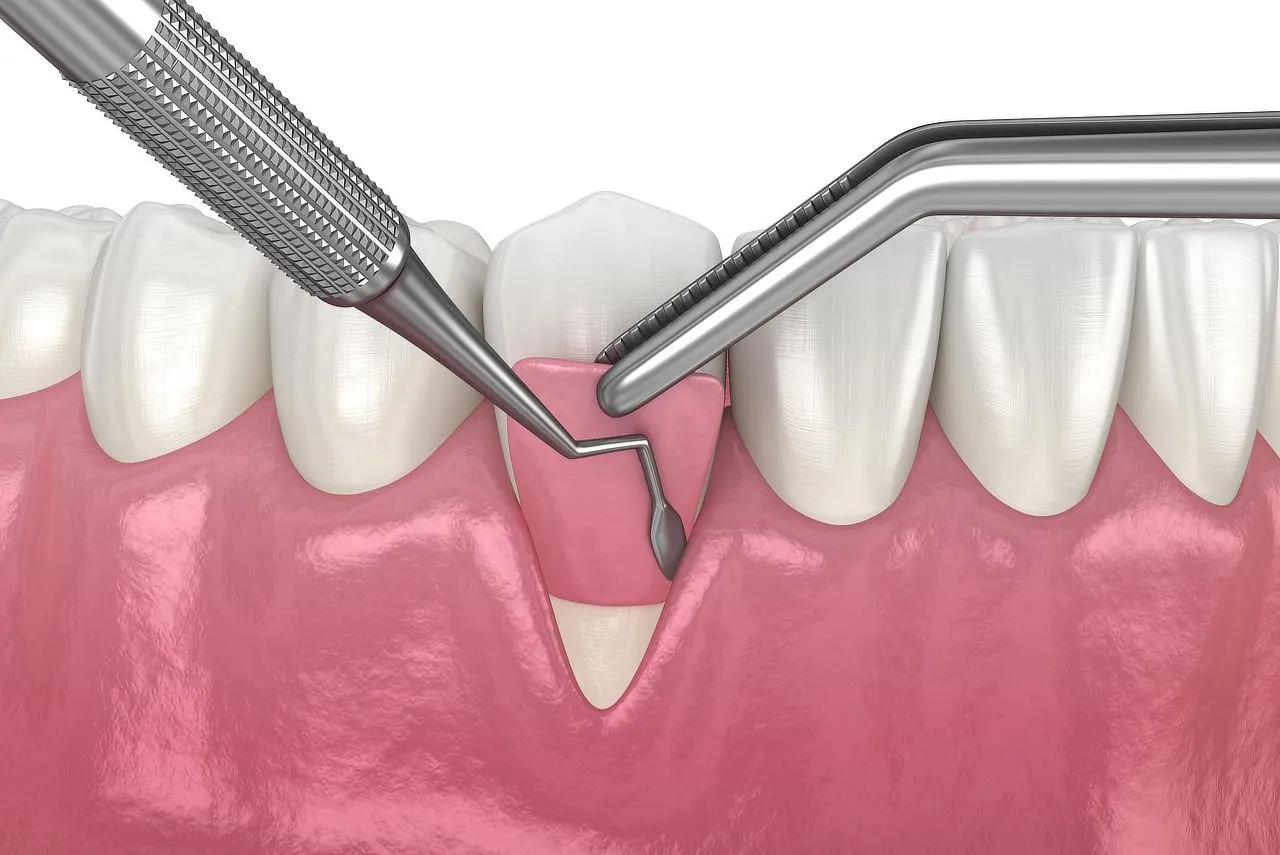
In more advanced cases, surgical treatments may be necessary. These can range from flap surgery, which involves lifting the gums to remove tartar deposits, to bone and tissue grafts to regenerate lost support structures.
Gum Recession: Soft tissue graft surgery
Surgical treatments are more complex and may require several weeks to months for complete healing. Your dental team will provide detailed information about what to expect during and after these procedures.
Timeframe for Gum Disease Treatments
Duration of Treatment
The duration of gum disease treatment varies widely depending on the severity of the condition and the type of treatment. Non-surgical procedures like scaling and root planing may be completed in a few visits over a couple of weeks.
Surgical treatments, on the other hand, may require a longer period, with several months needed for complete healing and recovery.
Follow-Up Visits
Regardless of the treatment type, follow-up visits are crucial. These appointments allow your dentist to monitor your healing and ensure that the treatment is effective. They also provide an opportunity to adjust your treatment plan if necessary.
Regular check-ups and cleanings, typically every three to six months, are essential for maintaining your gum health post-treatment.
Post-Care and Recovery
Immediate Aftercare
Post-treatment care is vital for successful recovery. After non-surgical treatments, patients may experience mild discomfort or sensitivity, which can usually be managed with over-the-counter pain relievers.
It’s important to follow a gentle oral hygiene routine immediately after treatment to avoid irritating the treated areas.
Long-Term Maintenance
Long-term care is key to preventing the recurrence of gum disease. This includes diligent oral hygiene practices at home – brushing twice a day, flossing daily, and using an antiseptic mouthwash.
Lifestyle changes, such as quitting smoking and eating a balanced diet, also play a significant role in maintaining gum health. Your dentist may recommend more frequent professional cleanings to keep plaque and tartar at bay.
In Conclusion: Your Role in Successful Treatment
Gum disease treatments are a collaborative effort between you and your dental team. Understanding the process, following through with recommended treatments, and adhering to post-care instructions are all crucial for successful outcomes.
With the right care and commitment, you can achieve and maintain healthy gums, contributing to your overall well-being and quality of life. Remember, your dental team is there to support you every step of the way, so don’t hesitate to reach out with any questions or concerns as you embark on your journey to better oral health.
Call to Book Your Appointment Today
York Village Dental – Where Beautiful Smiles Begin