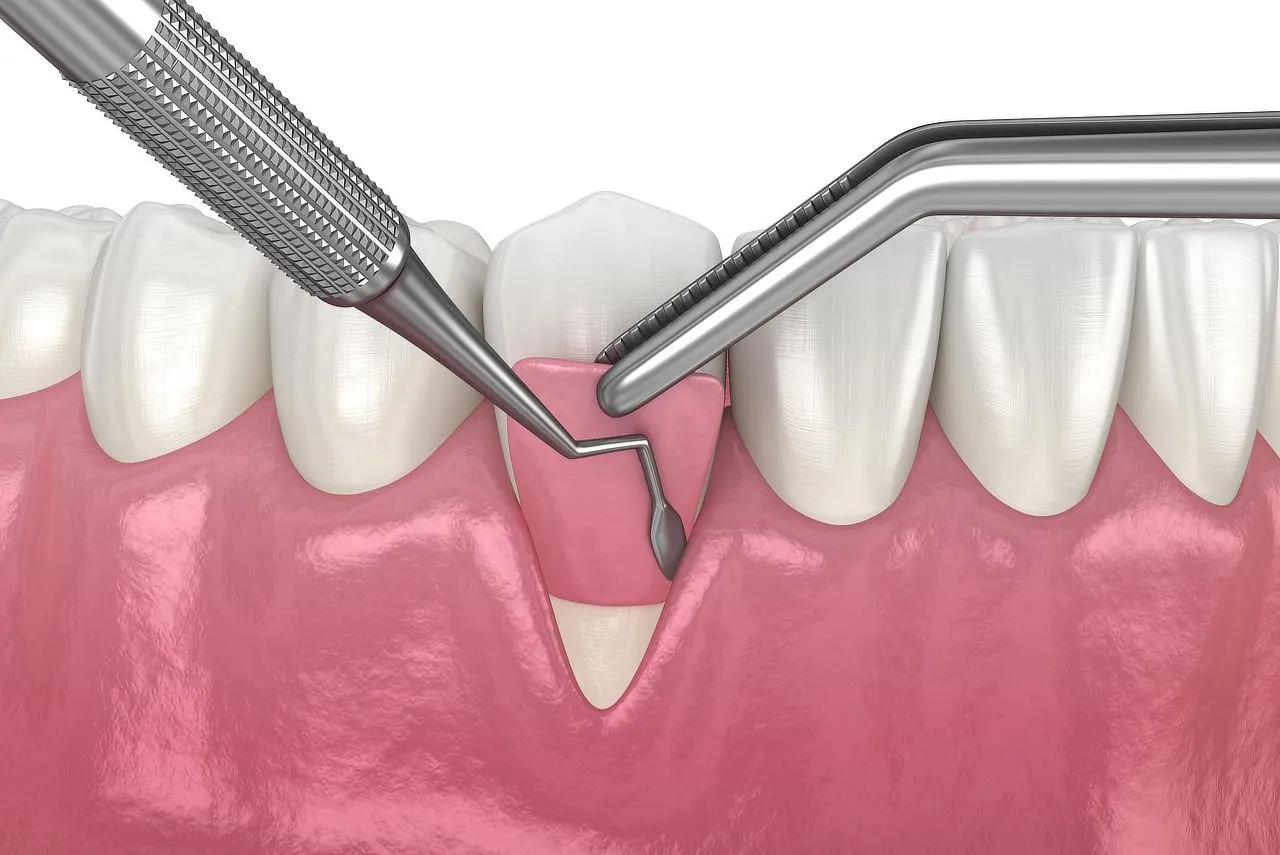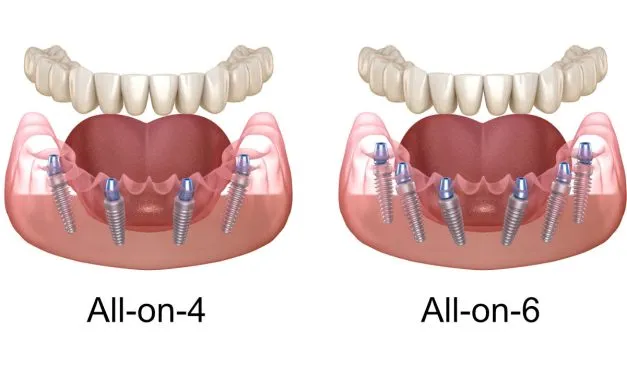


Dental implants have revolutionized the way we approach tooth replacement, offering a durable, natural-looking solution to tooth loss.
In this comprehensive guide, we’ll explore the benefits of dental implants, the procedure, and why they might be the best option for you.
Read on to learn everything you need to know about dental implants, or listen to our Podcast, so you can make an informed decision about your oral health.

What Are Dental Implants?
Dental implants are artificial tooth roots made of titanium that provide a permanent base for fixed, replacement teeth. Unlike dentures or bridges, dental implants are designed to look, feel, and function like natural teeth.
When you lose a tooth, a dental implant can be placed in the jawbone to support a crown, bridge, or denture, making them a versatile solution for tooth replacement.
Dental implants offer a long-lasting solution to tooth loss, ensuring you can chew, speak, and smile with confidence. The implant fuses with the jawbone, providing a sturdy foundation that mimics the function of natural teeth.
How Do Dental Implants Work?
A dental implant consists of three main components: the implant itself, an abutment, and a crown. The implant is a titanium post that is surgically inserted into the jawbone. Over time, the bone grows around the implant, securing it in place.
The abutment is a connector that attaches to the implant and holds the crown. The crown is the visible part of the tooth, made to match your natural teeth in shape and color. This process, known as osseointegration, ensures that the implant is firmly anchored in the jaw, providing stability and strength.
Major Benefits of Dental Implants
Improved Appearance
One of the most significant benefits of dental implants is the improved appearance they offer. Dental implants are designed to look and feel like your natural teeth. The crown, which is attached to the implant, is custom-made to match the color and shape of your existing teeth, ensuring a seamless and natural-looking smile.
The titanium implant integrates with the jawbone, preventing the sunken appearance that often occurs with missing teeth or ill-fitting dentures. This bone preservation maintains the natural contours of your face, providing a youthful and vibrant look. As a result, dental implants can boost your self-confidence and improve your overall appearance.
Enhanced Speech
Missing teeth or poor-fitting dentures can affect your ability to speak clearly. Dental implants eliminate this issue by providing a stable and secure base for replacement teeth. Unlike dentures, which can slip and cause you to mumble or slur your words, dental implants allow you to speak without worrying about your teeth shifting.
This stability ensures that you can pronounce words correctly and speak confidently in any situation, whether it’s a business meeting, social gathering, or everyday conversation.
Increased Comfort
Dental implants are embedded into your jawbone, making them a part of your mouth just like natural teeth. This integration eliminates the discomfort associated with removable dentures. Since dental implants do not rely on the support of adjacent teeth or gums, they do not cause irritation or sore spots.
Moreover, dental implants eliminate the need for messy adhesives used to keep dentures in place. This comfort allows you to forget that you have a replacement tooth and focus on enjoying your day-to-day activities.
Easier Eating
One of the primary functions of your teeth is to help you chew food effectively. Missing teeth or unstable dentures can make eating difficult and uncomfortable. Dental implants function like natural teeth, allowing you to chew your favorite foods with ease and confidence.
Because dental implants are securely anchored in the jawbone, they provide the necessary strength to handle even the toughest foods. This improved ability to chew can enhance your overall nutrition and enjoyment of meals, contributing to better health and well-being.
Improved Oral Health
Dental implants offer significant oral health benefits compared to other tooth replacement options. Unlike traditional bridges, which require the reduction of adjacent teeth, dental implants do not compromise the health of your surrounding teeth. This preservation of natural teeth is crucial for maintaining long-term oral health.
Additionally, dental implants help prevent bone loss by stimulating the jawbone, similar to natural tooth roots. This stimulation is essential for maintaining the density and strength of the jawbone, which can deteriorate over time with missing teeth.
Durability and Longevity
Dental implants are designed to last a lifetime with proper care. The materials used, such as titanium for the implant and porcelain for the crown, are highly durable and resistant to decay. This longevity makes dental implants a cost-effective solution over time, as they do not require frequent replacements like dentures or bridges.
With regular dental check-ups and good oral hygiene practices, your dental implants can provide a permanent solution to tooth loss, ensuring that you enjoy a beautiful smile for years to come.
Convenience
Dental implants eliminate the inconvenience of removable dentures. There is no need to worry about removing dentures for cleaning or dealing with messy adhesives. Dental implants are cared for just like your natural teeth, making your oral hygiene routine simple and straightforward.
This convenience extends to everyday activities, such as speaking, eating, and smiling, as you won’t have to worry about your teeth shifting or becoming loose. Dental implants provide a hassle-free solution that integrates seamlessly into your lifestyle.
Drawbacks of Dental Implants
Surgical Procedure
Getting dental implants requires oral surgery, which can be a deterrent for some patients. The process involves placing the implant into the jawbone, which can take several months to heal completely. This multi-step procedure includes the initial placement of the implant, a healing period, and the attachment of the abutment and crown.
While the surgery is generally safe and performed under local anesthesia, it carries the same risks as any surgical procedure, such as infection, bleeding, and nerve damage.
Possible Complications
As with any surgical procedure, there are risks associated with dental implants, including infection, injury to surrounding teeth, and implant failure. Implant failure can occur if the implant does not integrate properly with the jawbone or if excessive stress is placed on the implant too soon.
However, these risks are minimal when performed by an experienced dentist. Proper pre-operative planning, post-operative care, and regular follow-up visits can help mitigate these risks.
Comparing Dental Implants to Other Tooth Replacement Options
Stability and Function
Dental implants provide superior stability and function compared to dentures, which can slip and cause discomfort. Implants allow you to chew and speak with ease, much like natural teeth. Unlike dentures, which rely on suction or adhesives to stay in place, dental implants are anchored directly into the jawbone, offering a stable and secure fit.
Bone Preservation
Unlike dentures and bridges, dental implants help prevent bone loss by stimulating the jawbone, preserving its strength and density. When a tooth is lost, the lack of stimulation to the jawbone can lead to bone resorption and deterioration. Dental implants mimic the natural stimulation provided by tooth roots, maintaining the health and structure of the jawbone.
Longevity
While dentures and bridges may need to be replaced every few years, dental implants can last a lifetime with proper care. Dentures typically need to be relined or replaced due to changes in the shape of the jawbone over time.
Bridges can also require replacement due to wear and tear or decay of the supporting teeth. In contrast, dental implants are made from durable materials that are resistant to decay and wear, making them a long-term investment in your oral health.
Are You a Candidate for Dental Implants?
To determine if dental implants are right for you, schedule an appointment with your dentist for a thorough evaluation. Good candidates for dental implants generally have:
• Healthy gums
• Enough bone to support the implant
• Good overall health
• Commitment to maintaining oral hygiene
Your dentist will assess your dental health and overall health to ensure you are a suitable candidate for the procedure. Conditions such as uncontrolled diabetes, heavy smoking, or severe gum disease may affect the success of dental implants. However, many patients with these conditions can still receive implants with appropriate treatment and care.
The Dental Implant Procedure
The dental implant procedure involves several steps and may take several months to complete. Here’s what you can expect:
1. Initial Implant Appointment
During the initial implant appointment, your dentist will perform a comprehensive dental exam, including X-rays and 3D digital imaging of your teeth and jaw. This evaluation helps the dentist plan the implant placement and determine the best approach for your specific needs.
2. Implant Placement
The next step is placing the implant into the jawbone. This surgical procedure is typically performed under local anesthesia. After the implant is placed, the bone needs time to heal and grow around it, which can take several months. This healing process, known as osseointegration, ensures that the implant is securely anchored in the jawbone.
3. Abutment Placement
Once the implant has fused with the bone, the abutment is placed. This minor surgery involves reopening the gum to attach the abutment to the implant. The abutment serves as the connector between the implant and the crown.
4. Crown Placement
After the gums heal, a custom-made crown is attached to the abutment, completing the procedure. The crown is designed to match your natural teeth in shape and color, providing a natural-looking and functional replacement tooth.
Recovery After Dental Implant Surgery
Recovery from dental implant surgery varies from person to person. Here are some tips for a smooth recovery:
• Follow your dentist’s instructions carefully.
• Maintain good oral hygiene by brushing and flossing regularly.
• Avoid hard or sticky foods during the healing process.
• Attend follow-up appointments to monitor the healing process.
Most patients can return to normal activities within a few days, but full healing can take several months. During this time, it is important to avoid putting excessive pressure on the implant to ensure proper integration with the jawbone.
Maintaining Your Dental Implants for Long-Term Success
To ensure your dental implants last a lifetime, follow these maintenance tips:
• Brush and floss daily to keep your implants clean and free from plaque.
• Visit your dentist regularly for check-ups and professional cleanings.
• Avoid smoking, as it can increase the risk of implant failure.
• Use a mouthguard if you grind your teeth at night to protect your implants.
Summary of Key Points
• Dental Implants: A permanent, natural-looking solution for tooth replacement.
• Procedure: Involves placing a titanium post in the jawbone, followed by an abutment and crown.
• Benefits: Improved appearance, enhanced speech, increased comfort, easier eating, improved oral health, durability, and convenience.
• Drawbacks: Higher cost, surgical procedure, and potential complications.
• Comparison: Superior to dentures and bridges in stability, function, and longevity.
• Candidacy: Requires healthy gums, sufficient bone, and good overall health.
• Recovery: Varies, with full healing taking several months.
• Maintenance: Good oral hygiene, regular dental visits, and avoiding harmful habits ensure long-term success.
By understanding the benefits and considerations of dental implants, you can make an informed decision about your oral health and enjoy a confident, healthy smile for years to come.
Call to Book Your Appointment Today
York Village Dental – Where Beautiful Smiles Begin