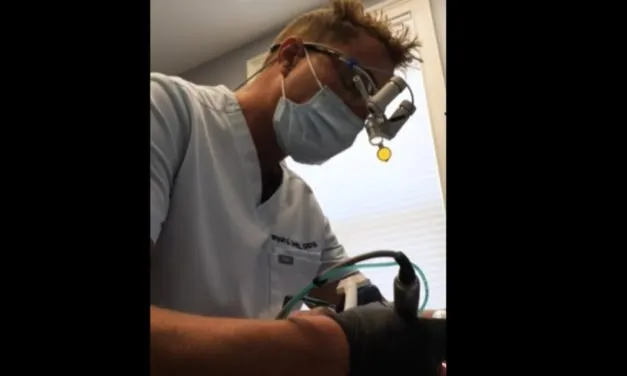


Why Tooth Extractions Matter
Have you ever woken up with a toothache that just won’t quit? Or maybe your dentist mentioned that a tooth needs to come out, and now you’re wondering what’s next. Tooth extractions might sound scary, but they’re more common than you think—and they can be a game-changer for your oral health.
Whether it’s a pesky wisdom tooth or a damaged molar, understanding the process can ease your worries and help you prepare. In this guide, we’ll cover everything you need to know: why extractions happen, what to expect during the procedure, and how to recover like a pro. By the end, you’ll feel ready to tackle this with confidence.
Let’s dive in!
What Is a Tooth Extraction?
A tooth extraction is when a dentist removes a tooth from its socket in your jawbone. It’s not something we do for fun—trust me, we’d rather save your teeth! But sometimes, pulling a tooth is the best way to keep your mouth healthy. Think of it like pruning a tree: removing one bad branch can help the whole plant thrive.
There are two main types of extractions:
- Simple Extraction: Used for teeth that are visible and easy to reach, like a loose front tooth. We numb the area, wiggle it out, and you’re done.
- Surgical Extraction: Needed for trickier cases, like impacted wisdom teeth stuck under the gums. This involves a small incision and sometimes stitches.
No matter the type, we make sure you’re comfortable every step of the way at York Village Dental.
Why Do Adults Need Tooth Extractions?
So, why might you need a tooth yanked out? Here are the top reasons I see in my practice:
Severe Tooth Decay
When cavities get out of hand, they can destroy a tooth beyond repair. Fillings or crowns might not cut it if the damage reaches the root. Extraction stops the decay from spreading to other teeth.
Wisdom Teeth Woes
Wisdom teeth, those late-blooming molars, often cause trouble. They might grow in crooked, get stuck (impacted), or crowd your other teeth. If they’re causing pain or pushing your smile out of whack, out they go!
Gum Disease
Advanced gum disease (periodontitis) can loosen teeth by attacking the bone holding them in place. If a tooth is wobbly and unsalvageable, extraction might be the fix.
Injury or Trauma
Accidents happen—a fall, a sports mishap, or even biting down too hard can crack a tooth. If it’s too broken to fix, we’ll need to remove it.
Overcrowding
Getting braces? Sometimes, we extract a tooth to make room so the others can line up nicely. It’s like clearing space in a crowded closet!
Whatever the reason, we’ll explain why it’s necessary and answer all your questions. Curious if you might need an extraction? Call us at (207) 363-6551 for a check-up.
What Happens During a Tooth Extraction?
Let’s break down the process so you know exactly what’s coming. It’s simpler than you might think!
Step 1: The Check-Up
First, I’ll take a look at your tooth and snap some X-rays. This helps me see what’s going on beneath the surface—like if the roots are twisted or if the tooth is impacted. We’ll chat about your health history too, since things like medications or conditions (e.g., diabetes) can affect the plan.
Step 2: Numbing the Area
No one wants to feel pain, right? We use local anesthesia to numb your mouth so you won’t feel a thing during the extraction. For surgical cases or if you’re super nervous, we might offer sedation to keep you relaxed. At York Village Dental, your comfort is our priority.
Step 3: The Extraction
For a simple extraction, I’ll use tools to gently loosen the tooth and lift it out. It’s quick—often just a few minutes. Surgical extractions take a bit longer. I might need to cut the gum or break the tooth into pieces to remove it. Don’t worry, you’ll be numb the whole time!
Step 4: Closing Up
Once the tooth’s out, we’ll place gauze over the socket to stop the bleeding. For surgical extractions, I might add a few stitches (they usually dissolve on their own). Then, I’ll give you easy instructions to heal up fast.
Does It Hurt? Managing Pain and Anxiety
Here’s the big question: Does it hurt? During the procedure, nope—you’re numb! Afterward, you might feel some soreness, but it’s totally manageable. Here’s how we keep you comfy:
- Before: We’ll talk through any fears. Sedation options are available if you’re anxious.
- During: Anesthesia blocks the pain. You might feel pressure, but that’s normal.
- After: Over-the-counter meds like ibuprofen usually do the trick. I’ll prescribe something stronger if needed.
At York Village Dental, we’ve got your back. Nervous? Let’s chat—call (207) 363-6551 to discuss your options.
Recovery: How to Heal Like a Champ
The good news? Recovery is pretty straightforward if you follow these tips. Here’s your game plan:
Day 1: Take It Easy
- Rest: Skip the gym or heavy lifting. Chill out and let your body heal.
- Ice It: Pop an ice pack on your cheek (20 minutes on, 20 off) to cut swelling.
- Bite on Gauze: Keep it in place for 30-60 minutes to stop bleeding.
What to Eat
Stick to soft foods for a few days:
- Yogurt
- Applesauce
- Mashed potatoes
- Soup (not too hot!)
Avoid straws, smoking, or crunchy stuff—they can mess with the clot forming in the socket.
Keep It Clean
- Day 1: No brushing near the site.
- Day 2 Onward: Rinse gently with saltwater (1 tsp salt in a glass of warm water) after meals.
Most folks feel back to normal in 3-7 days. If pain or swelling gets worse after a few days, give us a ring at (207) 363-6551—it could be a sign of dry socket (when the clot dislodges), but we’ll fix it fast.
Risks and Complications: What to Watch For
Extractions are safe, but like any procedure, there’s a small chance of hiccups. Here’s what to know:
- Dry Socket: Happens in 2-5% of cases if the clot comes loose. It’s painful but treatable.
- Infection: Rare, but keep an eye out for fever or pus. Antibiotics clear it up.
- Nerve Tingling: Super rare (mostly with lower wisdom teeth), it usually fades over time.
We’ll go over risks specific to you before we start. At York Village Dental, we’re pros at keeping complications to a minimum.
How Much Does a Tooth Extraction Cost?
Money matters, right? Costs vary based on the type:
- Simple Extraction: $75-$200 per tooth.
- Surgical Extraction: $200-$500+, depending on complexity.
Insurance often covers part of it, especially if it’s medically necessary. No insurance? We offer payment plans at York Village Dental to make it doable. Call us at (207) 363-6551 for a quote tailored to you.
Alternatives: Can You Avoid Extraction?
Sometimes, yes! If a tooth can be saved with a Root Canal or Crown, I’ll suggest that first. But if it’s too far gone—or if keeping it risks your health—extraction is the smarter move. We’ll weigh the pros and cons together.
Replacing a Missing Tooth
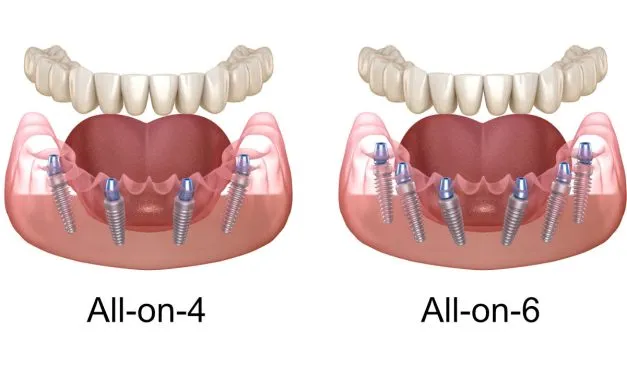
Once it’s out, you might wonder about the gap. Options like Dental Implants, Bridges, or Dentures can fill it in. Not only do they look good, but they also keep your other teeth from shifting. Want to explore this? Let’s set up a chat!
Ready for Your Tooth Extraction?
Tooth Extractions don’t have to be daunting. Whether it’s decay, wisdom teeth, or something else, removing a problem tooth can bring relief and protect your smile. At York Village Dental, I’m here to guide you through it with clear answers and top-notch care. From the procedure to recovery, we’ve got you covered.
Ready to take the next step? Call us today at (207) 363-6551 to schedule a visit. Let’s get your mouth feeling great again!
Call to Book Your Appointment Today
York Village Dental – Where Beautiful Smiles Begin