
Navigating Tooth Extraction and Replacement Options
Tooth extraction can be a daunting experience, but understanding your options for tooth replacement can make the process much easier. This article is designed to guide you through the various choices available, ensuring you make an informed decision that suits your dental needs and lifestyle. Whether you’re facing an upcoming extraction or have recently had a tooth removed, this comprehensive guide will help you explore the best tooth replacement options after extraction.Understanding Tooth Extraction: Why It’s Necessary
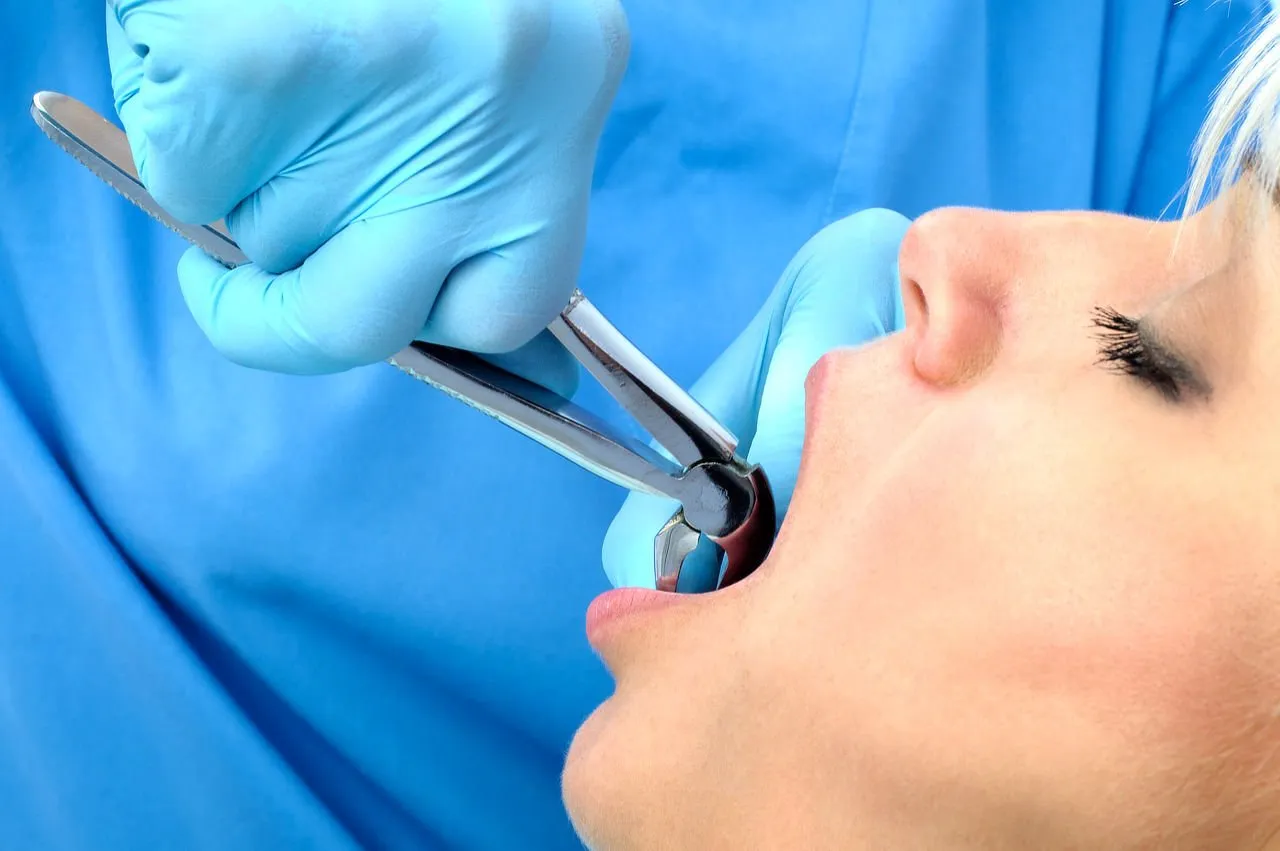
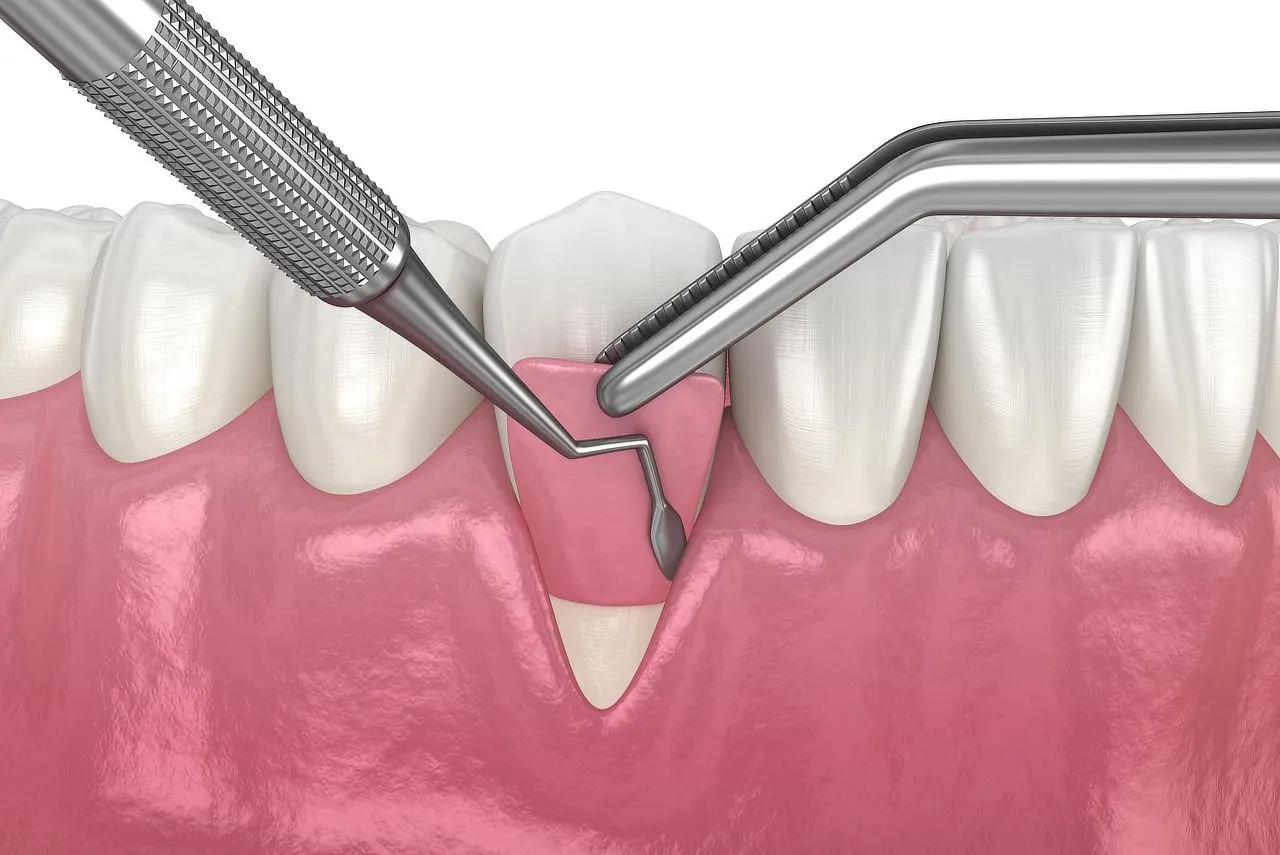
Tooth extraction is often necessary due to severe decay, infection, or trauma. When a tooth is beyond repair, removing it can prevent further damage and alleviate pain. Wisdom teeth, for instance, are frequently extracted to prevent overcrowding or impaction. Although the thought of extraction might be unsettling, it is a critical step in maintaining overall oral health. Removing a problematic tooth can prevent complications such as infections, abscesses, and damage to surrounding teeth. In some cases, extractions are also performed to prepare for orthodontic treatments, creating space for properly aligned teeth.Immediate Steps After a Tooth Extraction
After a tooth extraction, proper care is essential to ensure healing and prepare for a replacement option. Initially, you may experience discomfort and swelling, but following your dentist’s aftercare instructions can significantly aid in recovery. Maintaining good oral hygiene, avoiding strenuous activities, and consuming soft foods can help the healing process. It’s also crucial to avoid smoking and drinking through straws, as these actions can dislodge the blood clot and lead to dry socket, a painful condition. Planning a follow-up visit with your dentist to discuss tooth replacement options and ensure your mouth is healing correctly is also important.Exploring Tooth Replacement Options After Extraction
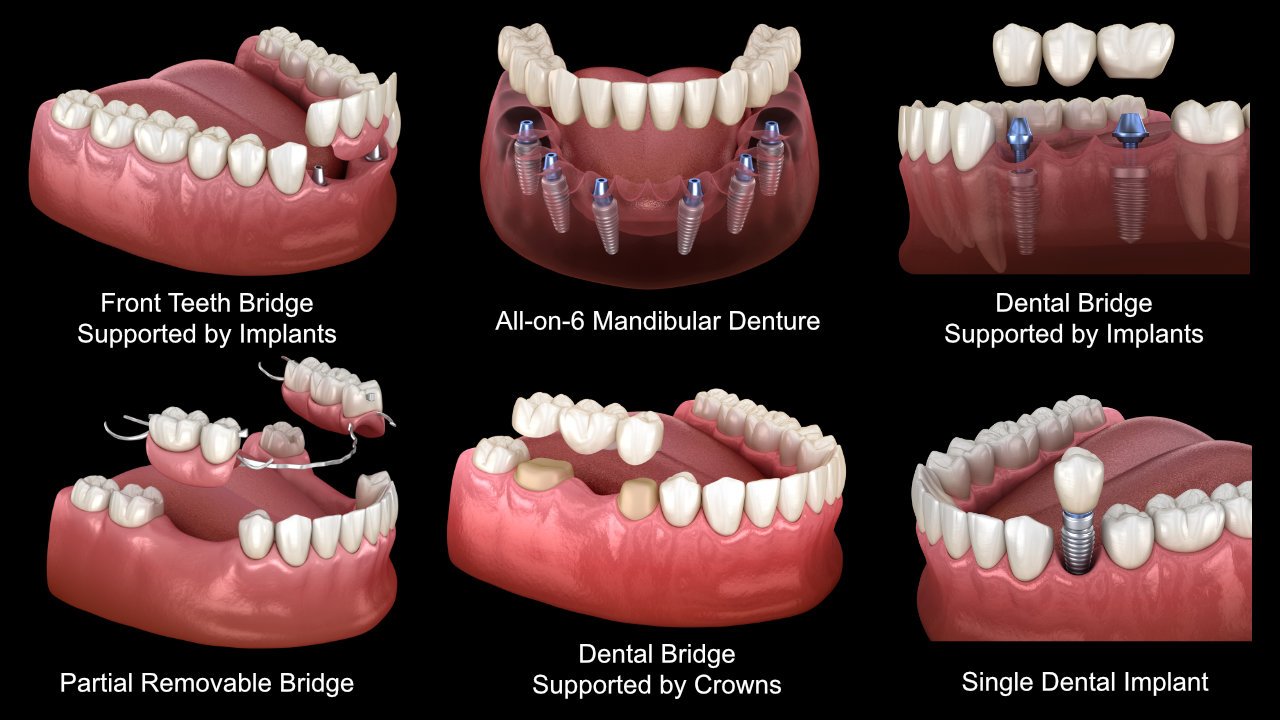
When it comes to replacing a missing tooth, several options are available, each with its benefits and considerations. The choice depends on factors such as the location of the extracted tooth, the condition of the surrounding teeth and jawbone, and your budget. The main options include dental implants, fixed bridges, partial dentures, and full dentures. Each option offers unique advantages, from the stability and longevity of implants to the affordability of dentures. Consulting with your dentist to evaluate these factors will help you make the best decision for your specific needs.Dental Implants: The Gold Standard for Tooth Replacement
Dental implants are widely regarded as the gold standard for tooth replacement. An implant consists of a titanium post surgically placed into the jawbone, acting as a root for the replacement tooth. Over time, the implant fuses with the bone, providing a stable foundation for a crown. Implants are an excellent solution for replacing a single tooth or multiple teeth and are known for their durability and natural appearance. They help maintain the jawbone structure and prevent bone loss, a common issue with missing teeth. Additionally, dental implants do not affect adjacent teeth, preserving your natural teeth’s integrity.
Fixed Bridges: A Reliable Alternative
Fixed Bridges are another popular option for replacing one or more missing teeth. A bridge consists of one or more artificial teeth, known as pontics, anchored by dental crowns on the adjacent natural teeth. This solution is particularly effective for those who prefer not to undergo surgery. Fixed bridges are durable and provide a natural look and feel, restoring both function and aesthetics to your smile. The procedure typically involves preparing the surrounding teeth to hold the crowns, ensuring a secure and long-lasting fit. Fixed bridges can be a cost-effective solution for those seeking a non-surgical option.
Partial Dentures: Flexible and Cost-Effective Solutions
Partial Dentures offer a flexible and cost-effective way to replace missing teeth. These removable appliances consist of artificial teeth attached to a gum-colored base, designed to fit snugly around your natural teeth. Partial dentures are an excellent option for those who have lost multiple teeth but still have some healthy teeth remaining. They can be easily removed for cleaning and provide a functional and aesthetic solution. Advances in materials and design have made partial dentures more comfortable and natural-looking than ever before. They are also a great option for those who may be considering future dental work or more permanent solutions down the line.
Full Dentures: Replacing Multiple Teeth Efficiently
For individuals who have lost all or most of their teeth, full dentures are a practical and efficient replacement option. Full dentures are custom-made to fit your mouth, providing a full set of artificial teeth that restore both function and appearance. While they may take some time to get used to, modern dentures are designed to be comfortable and natural-looking, significantly improving the quality of life for those with extensive tooth loss. Full dentures can help with chewing, speaking, and supporting facial muscles, preventing the sunken appearance that often accompanies tooth loss. Regular adjustments by your dentist can ensure a proper fit over time.
The Role of Dental Crowns in Tooth Replacement
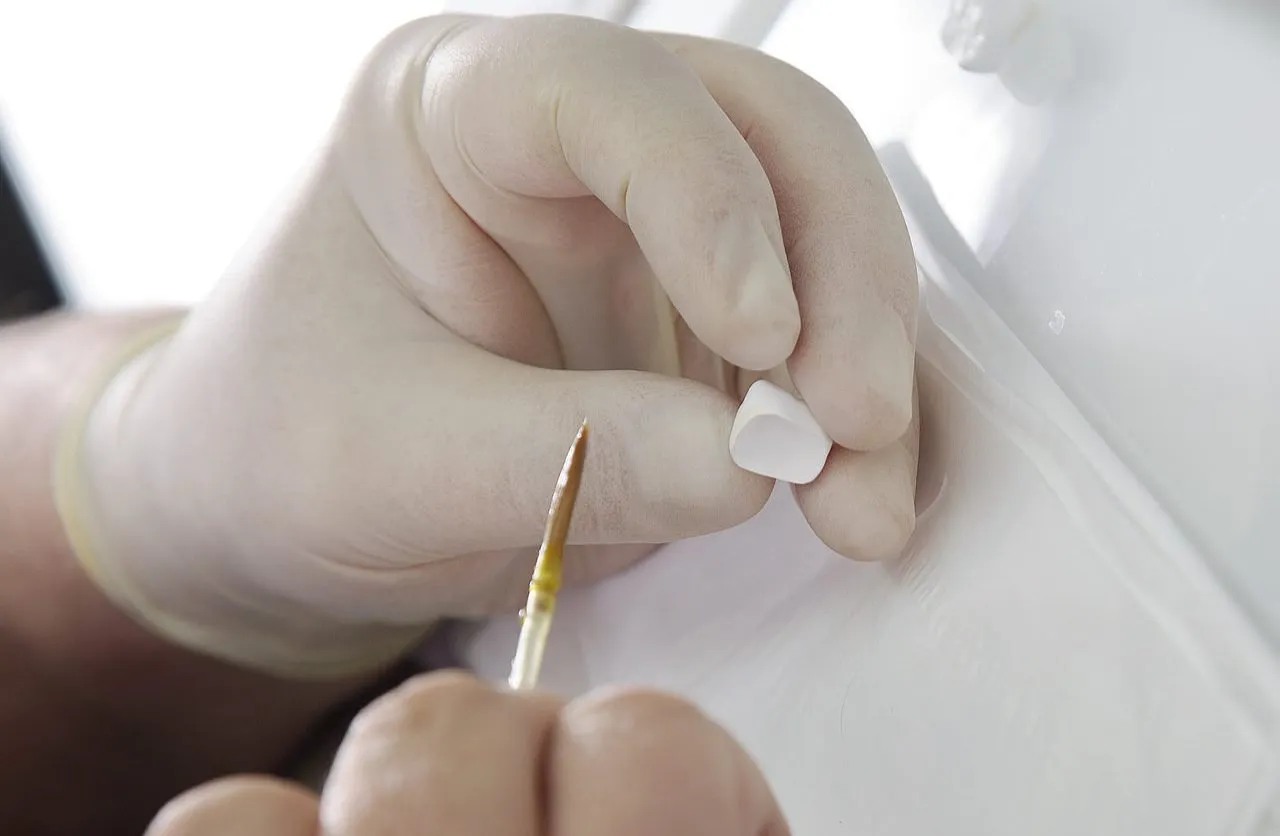
Dental Crowns play a crucial role in many tooth replacement options. Crowns are often used to cap dental implants or to support fixed bridges, providing strength and stability. Made from materials such as porcelain or ceramic, crowns are designed to match the color and appearance of your natural teeth. They not only enhance the durability of the replacement teeth but also improve the overall aesthetics of your smile. Crowns can also be used to restore damaged or weakened natural teeth, providing protection and extending their lifespan. With proper care, dental crowns can last many years, contributing to the longevity of your dental restoration.
Innovations in Cosmetic Dentistry for Missing Teeth
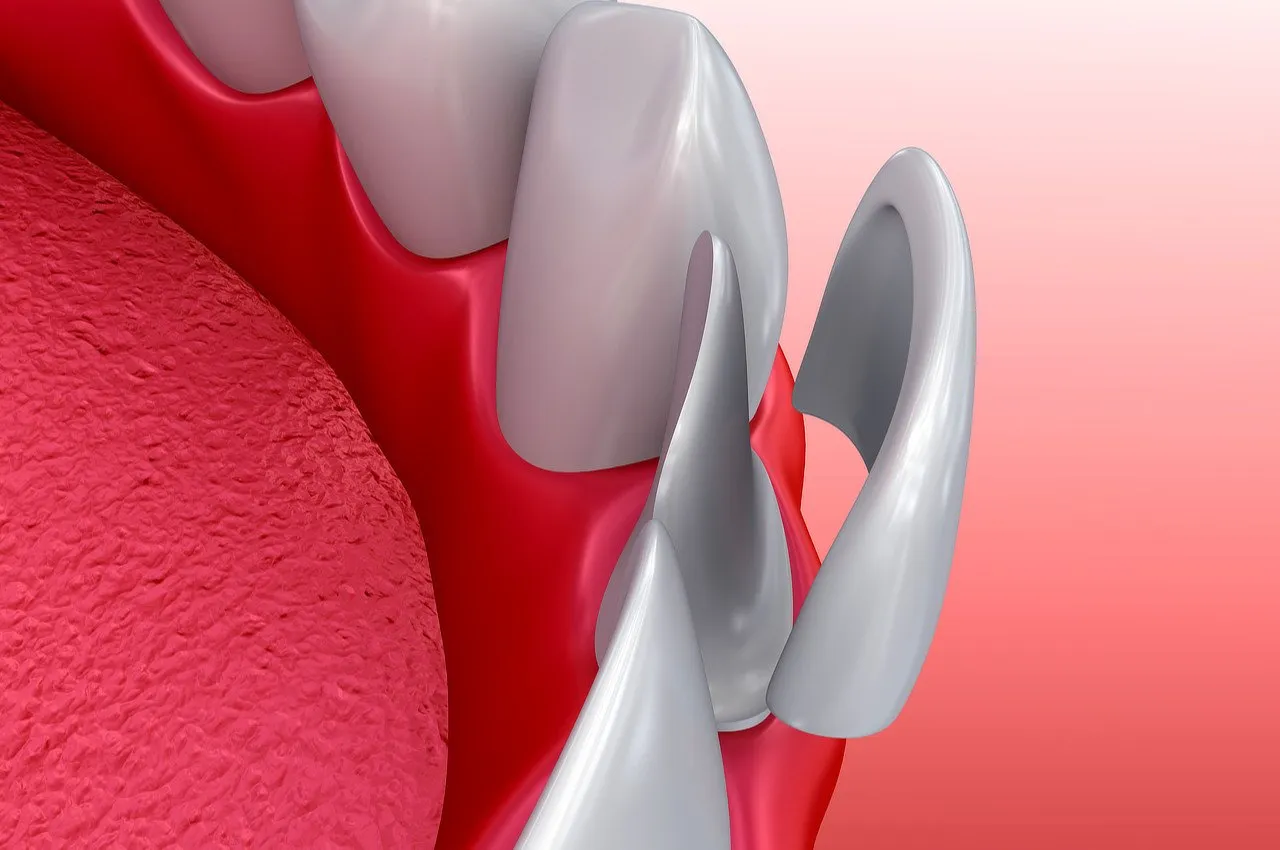
Cosmetic dentistry has seen numerous innovations that offer advanced solutions for missing teeth. From state-of-the-art materials that mimic the look and feel of natural teeth to cutting-edge techniques in implant placement and restoration, these advancements have made tooth replacement more effective and aesthetically pleasing. Veneers, bonding, and other cosmetic treatments can also complement tooth replacement options, ensuring a beautiful and natural-looking smile. These innovations have not only improved the functionality of dental restorations but have also enhanced their appearance, making it difficult to distinguish between natural teeth and replacements.Making the Best Choice for Your Oral Health
Choosing the best tooth replacement option depends on several factors, including your oral health, budget, and personal preferences. Consulting with your dentist is crucial to explore your options and determine the best course of action. Each solution has its benefits, and understanding these can help you make an informed decision that meets your needs and expectations. Whether you opt for implants, bridges, dentures, or crowns, the right choice can restore your smile and improve your overall quality of life. Regular dental check-ups and proper oral hygiene are essential to maintain the health and longevity of your replacement teeth.Summary: Key Takeaways
- Tooth Extraction Necessity: Essential for severe decay, infection, or trauma.
- Post-Extraction Care: Follow aftercare instructions for optimal healing.
- Replacement Options: Dental implants, fixed bridges, partial dentures, and full dentures.
- Dental Implants: Durable, natural-looking, prevent bone loss.
- Fixed Bridges: Non-surgical, stable, and aesthetically pleasing.
- Partial Dentures: Cost-effective, removable, and flexible.
- Full Dentures: Efficient for extensive tooth loss, custom-made for comfort.
- Dental Crowns: Enhance durability and aesthetics, used in various replacements.
- Cosmetic Dentistry Innovations: Advanced materials and techniques for natural results.
- Consult Your Dentist: Personalized advice for the best replacement choice.
Frequently Asked Questions About Tooth Replacement Options:
1. What are the most common tooth replacement options?
The most common tooth replacement options are dental implants, dental bridges, partial dentures, and full dentures. Each of these options has unique benefits and considerations. Dental implants are often considered the gold standard because they mimic natural teeth closely and can prevent bone loss. They involve surgically placing a titanium post into the jawbone, which acts as an artificial tooth root. Once the implant has fused with the bone, a crown is placed on top, providing a durable and natural-looking solution. Dental bridges replace one or more missing teeth by anchoring artificial teeth to adjacent natural teeth or implants. They are a quicker and more cost-effective solution compared to implants. Partial dentures are removable appliances that replace several missing teeth and are designed to fit around existing natural teeth. Full dentures, on the other hand, replace all the teeth in an arch (upper or lower) and are a practical solution for extensive tooth loss.2. What is a dental implant, and how does it work?
A dental implant is a titanium post that is surgically placed into the jawbone, acting as an artificial tooth root. This post provides a stable foundation for a replacement tooth, which can be a crown, bridge, or denture. The process of getting a dental implant involves several steps, starting with a consultation and assessment to ensure you have sufficient bone density and overall oral health. During the implant placement, the area is numbed with local anesthesia, and a small incision is made in the gum to place the implant into the jawbone. After the implant is placed, a healing period of several months is required for osseointegration, where the bone fuses with the implant. Once healed, an abutment is attached to the implant, and a custom-made crown is placed on top. This process results in a tooth replacement that looks, feels, and functions like a natural tooth. Dental implants are known for their durability and can last a lifetime with proper care.3. Are dental implants suitable for everyone?
Dental implants require sufficient jawbone density and good overall health, making them unsuitable for everyone. Patients with conditions like diabetes or osteoporosis need a thorough evaluation before proceeding, as these conditions can affect the success of the implant. Additionally, heavy smokers and individuals with chronic conditions such as heart disease may face higher risks during surgery and recovery. However, advancements in dental technology have made implants accessible to a broader range of patients. Bone grafting procedures can increase jawbone density, making implants a viable option even for those with bone loss. It’s essential to discuss your medical history and lifestyle with your dentist to determine if dental implants are the right choice for you.4. How do dental bridges work?
Dental bridges work by anchoring artificial teeth to the adjacent natural teeth or implants. These neighboring teeth, known as abutment teeth, are prepared by removing a portion of their enamel to fit crowns that will hold the bridge in place. The artificial teeth, called pontics, fill the gap left by the missing teeth, providing a seamless and natural-looking solution. The process begins with a consultation and assessment, during which the dentist takes impressions of your teeth to create a custom bridge. A temporary bridge is often placed while the permanent one is being made. Once the permanent bridge is ready, it is cemented in place, restoring your smile and chewing ability. Dental bridges are a cost-effective and non-surgical option for tooth replacement, making them a popular choice for many patients.5. What are the pros and cons of dental bridges?
The pros of dental bridges include their ability to restore the natural look and function of your teeth quickly and cost-effectively. They help maintain the shape of your face and prevent remaining teeth from shifting out of position. Since they are fixed in place, they provide stable and reliable chewing function, unlike removable dentures, which can sometimes slip or feel uncomfortable. However, there are also cons to consider. To support a bridge, the adjacent natural teeth need to be reshaped and crowned, which can compromise their strength and health. Additionally, bridges do not prevent bone loss in the jaw, as implants do. This can lead to changes in facial structure over time. Regular dental visits and good oral hygiene are essential to maintaining a dental bridge and preventing complications such as decay or damage to the abutment teeth.6. How do partial dentures differ from full dentures?
Partial dentures are designed to replace several missing teeth in an arch, while full dentures replace all the teeth in an arch (upper or lower). Partial dentures are typically made from a combination of acrylic and metal, fitting around the remaining natural teeth. They are removable and are held in place by metal clasps or precision attachments, providing a cost-effective and flexible solution for those who still have some healthy teeth. Full dentures, on the other hand, are used when all teeth in an arch need to be replaced. They consist of a full set of artificial teeth attached to a gum-colored acrylic base. Full dentures rest on the gums and are held in place by suction or denture adhesives. While they may take some time to get used to, modern full dentures are designed to be comfortable and natural-looking, significantly improving the quality of life for those with extensive tooth loss.7. What are implant-supported dentures?
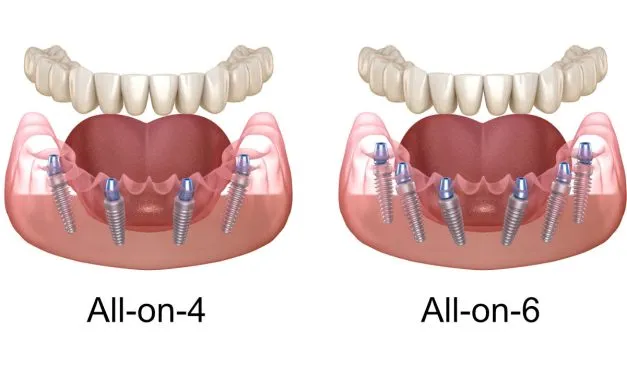
Implant-supported dentures are a type of denture that is anchored by dental implants, providing greater stability and comfort compared to traditional dentures. These dentures “snap” onto the implants embedded in the jaw, eliminating the need for denture adhesives and preventing issues like slipping and discomfort. Implant-supported dentures can be either removable for cleaning or fixed in place, depending on the patient’s preference. The process of getting implant-supported dentures involves placing dental implants in the jawbone, allowing time for healing and osseointegration. Once the implants have fused with the bone, the dentures are attached, providing a secure and natural-feeling restoration. This solution is particularly beneficial for those who have lost a significant amount of bone and need extra support to keep their dentures in place. While the initial cost and treatment time may be higher, many patients find the long-term benefits outweigh the initial investment.8. How long does it take to get a dental implant?
The entire process of getting a dental implant can take several months, primarily due to the healing time required for osseointegration. After the initial consultation and assessment, the implant placement surgery is performed. The implant needs to heal and fuse with the jawbone, which can take anywhere from three to six months, depending on individual healing rates and bone density. Once the implant has successfully integrated with the bone, a minor procedure is performed to attach the abutment, followed by the placement of the custom-made crown. The total timeline from start to finish can vary, but most patients can expect the process to take around six months to a year. Despite the lengthy treatment time, the result is a durable and long-lasting tooth replacement that closely mimics natural teeth.9. How do I choose the best tooth replacement option for me?
Choosing the best tooth replacement option depends on various factors, including your oral health, jawbone density, budget, and personal preferences. Consulting with York Village Dental is crucial to explore your options and determine the best course of action. Each solution has its benefits, and understanding these can help you make an informed decision that meets your needs and expectations. During your consultation, discuss your medical history, lifestyle, and aesthetic goals with your dentist. They will evaluate your oral health and provide personalized recommendations based on your specific situation. Whether you opt for implants, bridges, dentures, or crowns, the right choice can restore your smile and improve your overall quality of life. Regular dental check-ups and proper oral hygiene are essential to maintaining the health and longevity of your replacement teeth.Call to Book Your Appointment Today
(207) 363-6551
York Village Dental – Where Beautiful Smiles Begin