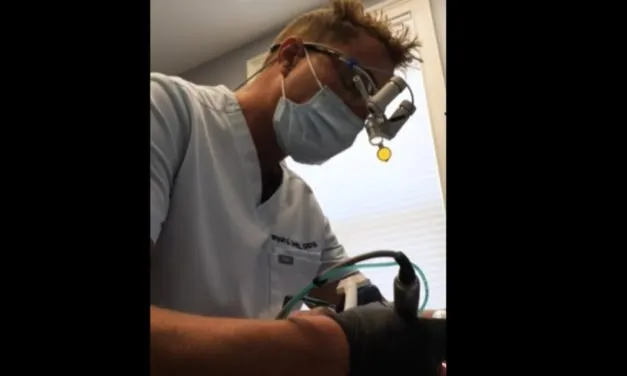

Your front teeth play a crucial role in your appearance, confidence, and overall oral health. A missing front tooth can make everyday activities like smiling, speaking, and eating more challenging while significantly impacting self-esteem.
Fortunately, dental implants offer a long-term, natural-looking solution that restores both aesthetics and functionality. This guide will walk you through everything you need to know about front tooth implants, from the procedure and benefits to costs and recovery.
Causes of Missing Front Teeth
Missing front teeth can result from various factors, including:
- Trauma or Injury – Accidents, falls, or sports-related impacts can knock out a front tooth.
- Tooth Decay – Severe cavities that compromise a tooth’s structure may require extraction.
- Congenital Absence – Some individuals are born without certain teeth due to genetic conditions.
- Gum Disease (Periodontitis) – Advanced gum disease can weaken supporting structures, leading to tooth loss.
Understanding the cause of your tooth loss is the first step in determining the best course of action for restoration. By identifying the underlying issue, your dentist can develop a customized treatment plan tailored to your specific needs.
Why Choose Dental Implants for a Missing Front Tooth?
When it comes to replacing a missing front tooth, dental implants offer significant advantages over alternatives like bridges or dentures:
- Natural Appearance – Custom-crafted crowns blend seamlessly with surrounding teeth.
- Durability – Implants can last decades with proper care.
- Preservation of Jawbone – Unlike bridges and dentures, implants prevent bone loss by stimulating the jawbone.
- No Impact on Adjacent Teeth – Bridges require modifying healthy teeth, while implants stand independently.
- Enhanced Comfort & Functionality – Implants feel and function like natural teeth.
Because front teeth are so visible, choosing a replacement option that looks and feels natural is crucial. With so many advantages, it’s easy to see why dental implants are the gold standard for front tooth replacement. Dental implants provide the best long-term solution by restoring both function and aesthetics without compromising adjacent teeth.
The Dental Implant Procedure (Step-by-Step)
- Consultation & Assessment
Your dentist or implant specialist will evaluate your oral health, take digital scans or X-rays, and assess bone density to determine if an implant is the best solution.
- Treatment Planning
A customized plan is created using digital impressions and 3D imaging to ensure the perfect fit and optimal placement of the implant.
- Surgical Placement of the Implant
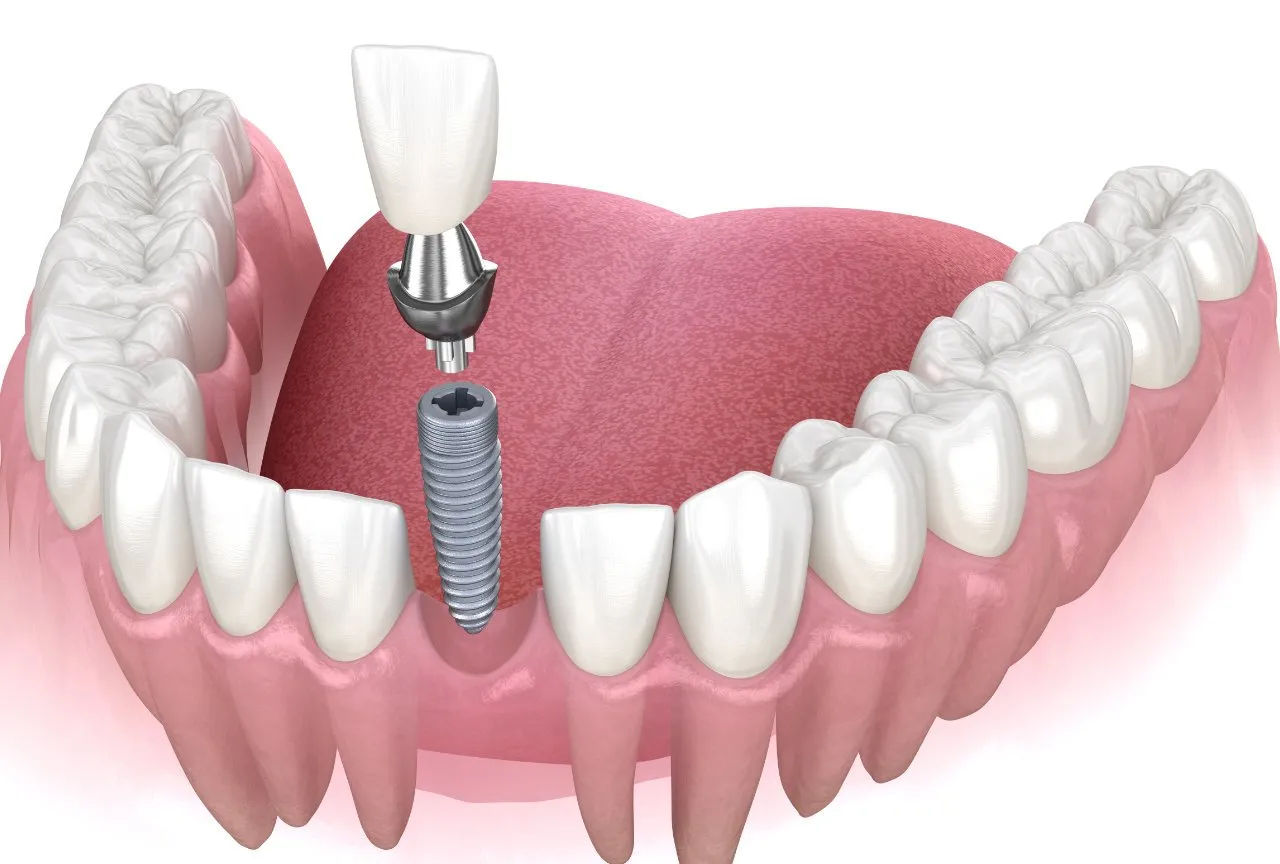
The titanium implant is surgically placed into the jawbone. This can be done in a single-stage procedure(where a temporary crown is placed immediately) or a two-stage procedure (where the implant is covered with gum tissue and allowed to heal before crown placement).
- Osseointegration (Healing Period)
Over the next 3-6 months, the implant fuses with the jawbone in a process called osseointegration. This is crucial for long-term stability.
- Placement of the Abutment & Final Crown
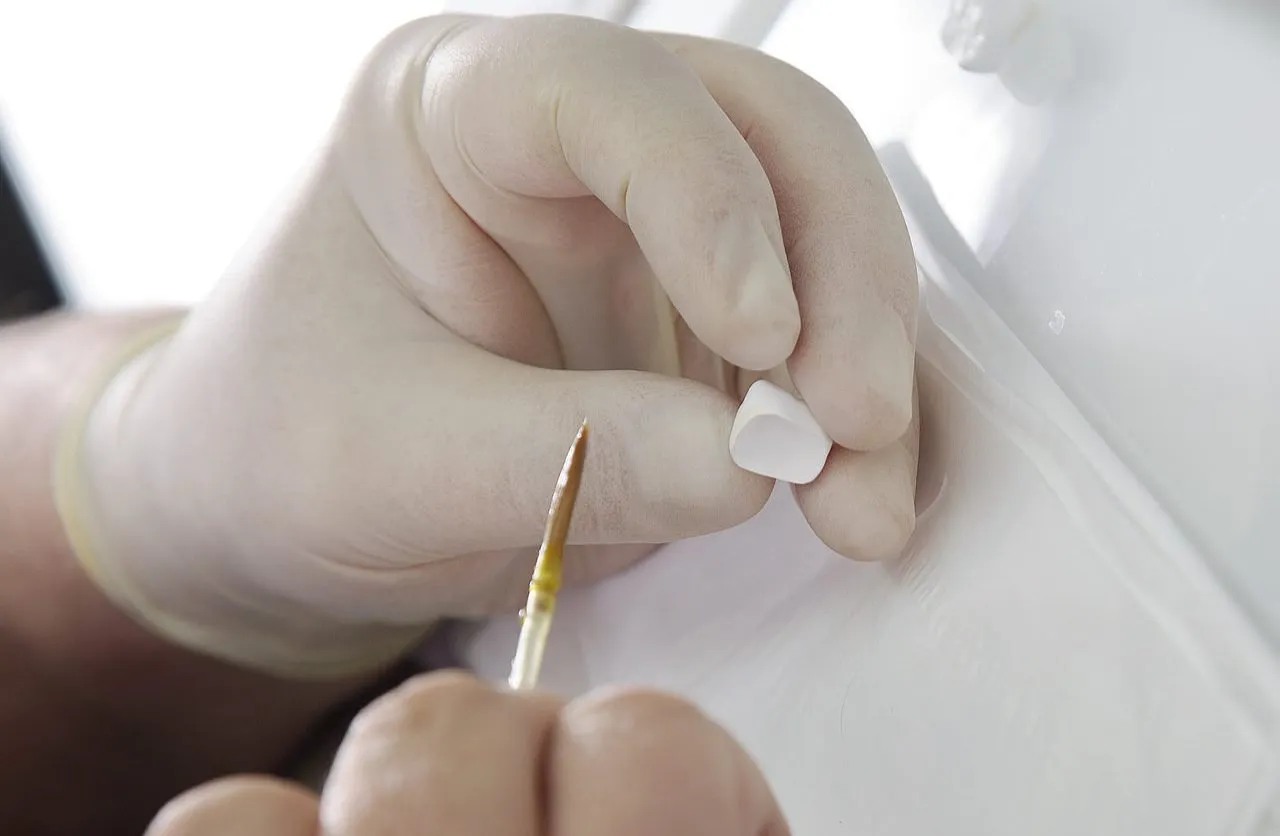
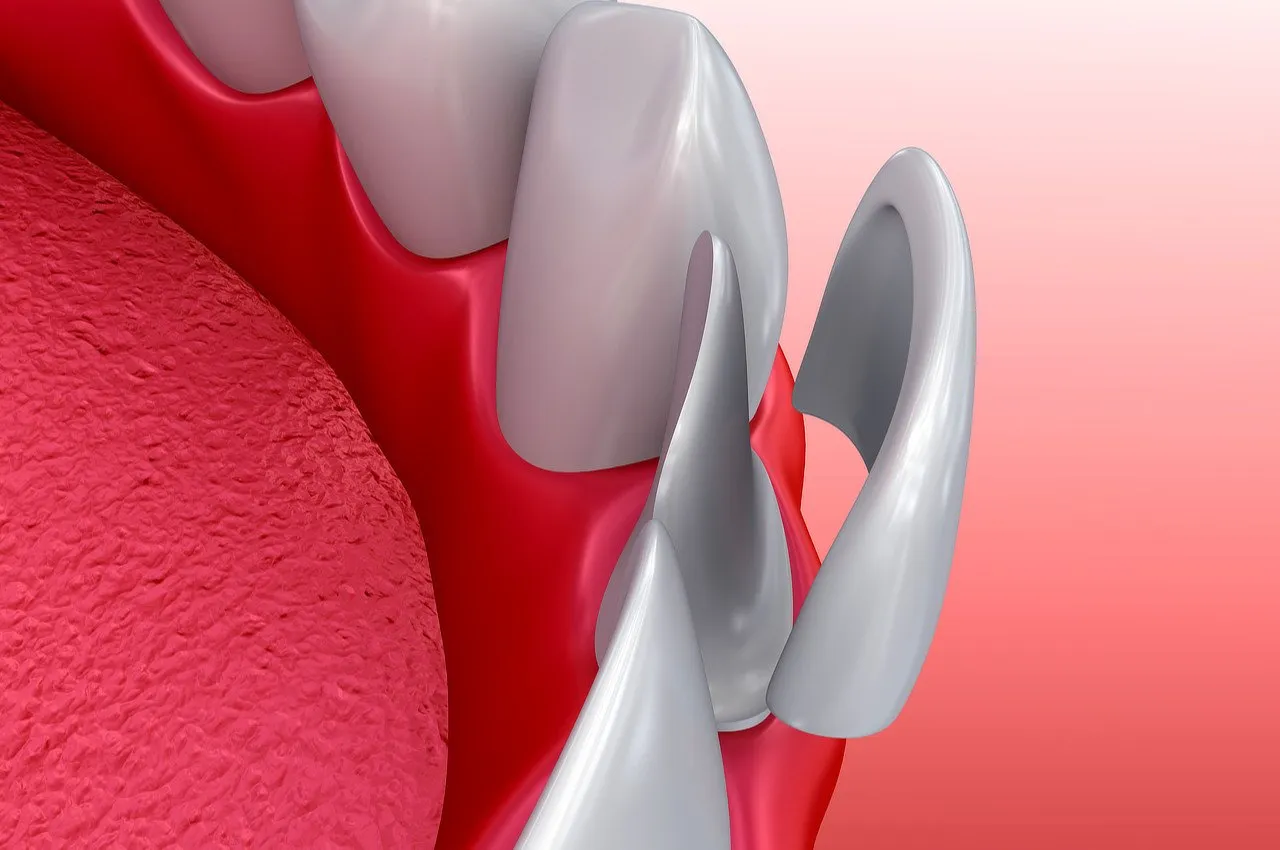
Once healed, an abutment (connector piece) is attached to the implant, followed by a custom-made crown designed to match the surrounding teeth in shape and color.
Each step in the implant process is carefully designed to ensure success and longevity. Proper planning, precision, and patience are key to achieving the best possible outcome.
Healing Time & Recovery
Post-surgery, patients can expect:
- Mild swelling & discomfort – Managed with prescribed or over-the-counter pain medication.
- Diet modifications – Soft foods are recommended for the first few days.
- Oral hygiene care – Regular brushing and flossing to prevent infection.
- Follow-up visits – To monitor healing and ensure implant stability.
Healing from a dental implant procedure varies from patient to patient, but following post-operative care instructions is essential for a smooth recovery. Keeping the area clean, avoiding hard foods, and attending follow-up appointments will ensure the best possible healing outcome.
Cost & Insurance Considerations
How Much Does a Front Tooth Implant Cost?
The cost varies based on location, materials, and additional procedures (such as bone grafting). On average, a single front tooth implant ranges from $3,000 to $6,500.
Factors Affecting Cost:
- Location & Specialist Fees – Costs are higher in metropolitan areas.
- Type of Implant & Crown Material – Premium zirconia or porcelain crowns may increase the price.
- Additional Procedures – Bone grafting or gum contouring may be required for optimal results.
Does Insurance Cover Dental Implants?
Most dental insurance plans cover part of the cost, typically for the crown, but not always for the implant surgery. Financing options and payment plans are often available at dental clinics, making implants a more accessible option for those concerned about upfront costs. Investing in a high-quality dental implant helps ensure that it functions well and looks natural for many years.
While cost is an important consideration, it’s equally vital to understand the potential risks and challenges associated with dental implants.
Challenges & Risks
While dental implants boast high success rates, some potential risks include:
- Implant Failure – Rare but may occur due to poor osseointegration or infection.
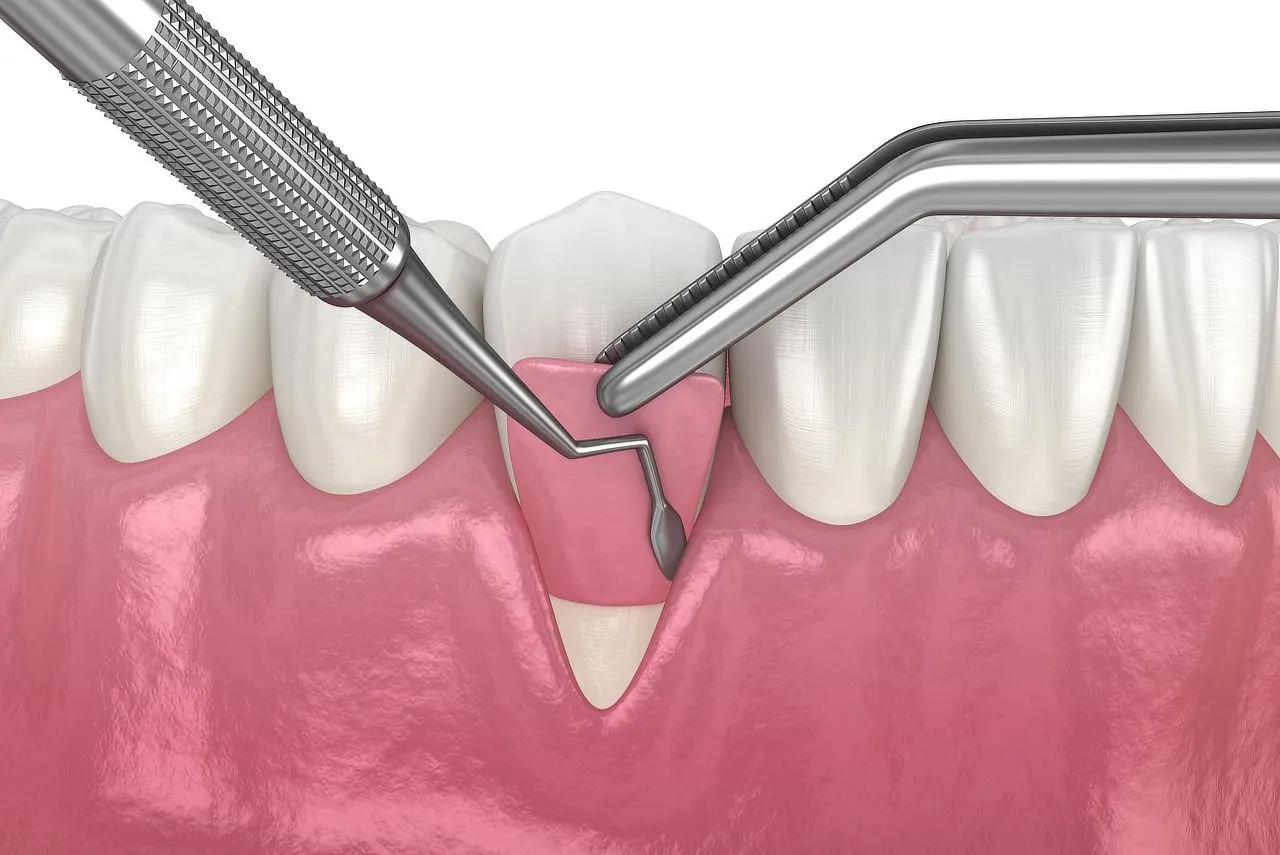
- Gum Recession – Improper placement can lead to gum tissue loss.
- Nerve Damage – Uncommon but possible if the implant is too close to a nerve.
These risks can be minimized by choosing an experienced implant specialist and maintaining excellent oral hygiene. Now, let’s take a look at the long-term success rates and durability of dental implants.
By choosing an experienced implant specialist and following proper post-operative care you can significantly reduce these risks. Understanding these potential challenges ensures that you make informed decisions about your dental health.
Success Rates & Longevity
Front tooth implants have a success rate of 95-98% when performed by a skilled specialist. With proper care, they can last a lifetime. Key factors influencing longevity include:
- Good Oral Hygiene – Regular brushing, flossing, and professional cleanings.
- Avoiding Smoking – Smoking can impair healing and increase the risk of implant failure.
- Routine Dental Check-ups – Regular visits help monitor implant health.
A high success rate and long-lasting results make implants the best investment for front tooth replacement. Now, let’s answer some of the most commonly asked questions about dental implants.
A front tooth implant is the most advanced, durable, and aesthetically pleasing solution for replacing a missing tooth. With proper planning, care, and professional expertise, you can enjoy a confident smile for a lifetime. If you’re considering this procedure, schedule a consultation today with an experienced implant specialist to explore your options and receive a personalized treatment plan.
Frequently Asked Questions (FAQs)
1. What is a Front Tooth Implant, and how does it work?
A Front Tooth Implant is a titanium post surgically placed into the jawbone to replace the root of a missing front tooth. Once the implant fuses with the bone (a process called osseointegration), a custom-made crown is attached to restore both function and aesthetics.
The implant mimics a natural tooth in appearance and durability, offering a long-term solution that prevents bone loss and supports normal chewing and speaking. Unlike bridges or dentures, Front Tooth Implants do not require altering adjacent teeth, making them a superior choice for single-tooth replacement.
2. How long does the entire Front Tooth Implant process take?
The complete process can take anywhere from 3 to 6 months, depending on healing time and any additional procedures required, such as bone grafting. The surgical placement of the implant itself is completed in one appointment, but the implant must fully integrate with the jawbone before the final crown is attached.
For patients looking for a faster solution, some cases allow for an immediate temporary crown. However, patience during the healing phase ensures long-term stability and success for Front Tooth Implants.
3. Is the Front Tooth Implant procedure painful?
Most patients experience minimal discomfort during the implant procedure since local anesthesia is used to numb the area. Some mild soreness and swelling may occur after surgery, but these can be managed with over-the-counter pain relievers and cold compresses.
At York Village Dental, we understand that dental anxiety can make procedures feel more stressful. To help patients remain calm and comfortable, we offer sedation dentistry options, including nitrous oxide (laughing gas).
This safe and effective method helps reduce anxiety and allows patients to relax during the implant procedure. If you have concerns about discomfort or nervousness, our team will work with you to determine the best sedation option for your needs. For more details, visit our Sedation Dentistry page.
4. How much does a Front Tooth Implant cost?
The cost of a Front Tooth Implant varies based on factors such as location, materials used, and whether additional procedures (like bone grafting) are needed. On average, the price ranges from $3,000 to $6,500 per tooth.
Although the initial investment may seem high, Front Tooth Implants are a long-term solution that can last a lifetime with proper care. Many dental offices offer financing plans, and some insurance policies may cover part of the procedure, especially if tooth loss is due to trauma or disease.
5. Will I have a gap while my Front Tooth Implant heals?
No, you don’t have to go without a front tooth during the healing process. Temporary solutions such as flipper dentures, Essix retainers, or temporary crowns can be used to maintain your smile while the implant integrates with the jawbone.
Your dentist will recommend the best temporary option based on your needs and lifestyle. These solutions ensure that you can confidently go about your daily activities while waiting for your permanent Front Tooth Implant.
6. How long do Front Tooth Implants last?
With proper care, a Front Tooth Implant can last a lifetime, though the crown may need replacement after 10-15 years due to wear and tear. Factors such as oral hygiene, lifestyle choices (like smoking), and regular dental check-ups play a significant role in implant longevity.
Maintaining good oral hygiene, including regular brushing, flossing, and professional cleanings, helps prevent complications like gum disease, which could affect the implant’s stability.
7. What are the risks or complications of a Front Tooth Implant?
While Front Tooth Implants have a high success rate (95-98%), some risks include implant failure, infection, gum recession, or nerve damage. Most complications can be avoided by choosing an experienced implant specialist and following proper post-operative care.
Patients can further minimize risks by avoiding smoking, maintaining good oral hygiene, and attending regular dental check-ups. If you experience pain, swelling, or unusual symptoms after surgery, consult your dentist immediately.
8. Does insurance cover Front Tooth Implants?
Insurance coverage for Front Tooth Implants varies by provider and policy. Some plans may cover portions of the procedure, such as the crown or extractions, but many consider implants a cosmetic procedure and offer limited coverage.
Patients should check with their insurance provider for specific details. Many dental offices offer payment plans or financing options to help make implants more affordable.
9. What happens if I don’t replace my missing front tooth?
Leaving a gap in your smile can lead to bone loss, shifting of surrounding teeth, changes in bite alignment, and speech difficulties. Over time, missing teeth can also alter the appearance of your face, causing premature aging due to jawbone deterioration.
A Front Tooth Implant prevents these issues by preserving the bone structure and maintaining proper tooth alignment. Acting early ensures the best long-term oral health and cosmetic outcome.
10. Can smokers get a Front Tooth Implant?
Yes, but smoking significantly increases the risk of implant failure due to its negative impact on healing and bone integration. Smoking restricts blood flow, which can lead to poor osseointegration, gum recession, and increased risk of infection.
Dentists often recommend that smokers quit before and after implant surgery to improve success rates. If quitting isn’t an option, reducing smoking and maintaining excellent oral hygiene can help improve the chances of a successful Front Tooth Implant.
Are You Ready to Restore Your Smile?
Call to Book Your Consultation Today
York Village Dental – Where Beautiful Smiles Begin