
Which is Better for Dental Implant Care?
When it comes to maintaining the health of your dental implants, both traditional flossing and using a Water Pik (water flosser) have their unique advantages. Understanding the differences between these two methods can help you choose the best option for your oral hygiene routine.Traditional Flossing
Traditional flossing involves using dental floss to remove plaque and food particles from between your teeth and around the implant post. Here are some key points about traditional flossing:Advantages
- Thorough Cleaning: Flossing can effectively remove plaque and debris that a toothbrush might miss, especially around the implant and gum line.
- Cost-Effective: Dental floss is inexpensive and widely available, making it an accessible option for daily oral care.
- Precision: Traditional floss allows for precise control, enabling you to target specific areas around your dental implants.
Disadvantages
- Technique Sensitive: Proper flossing technique is essential to avoid damaging the gums or implant. Incorrect use can sometimes lead to gum irritation.
- Time-Consuming: Flossing can be time-consuming, especially if you have multiple implants or a complex dental structure.
Water Pik (Water Flosser)
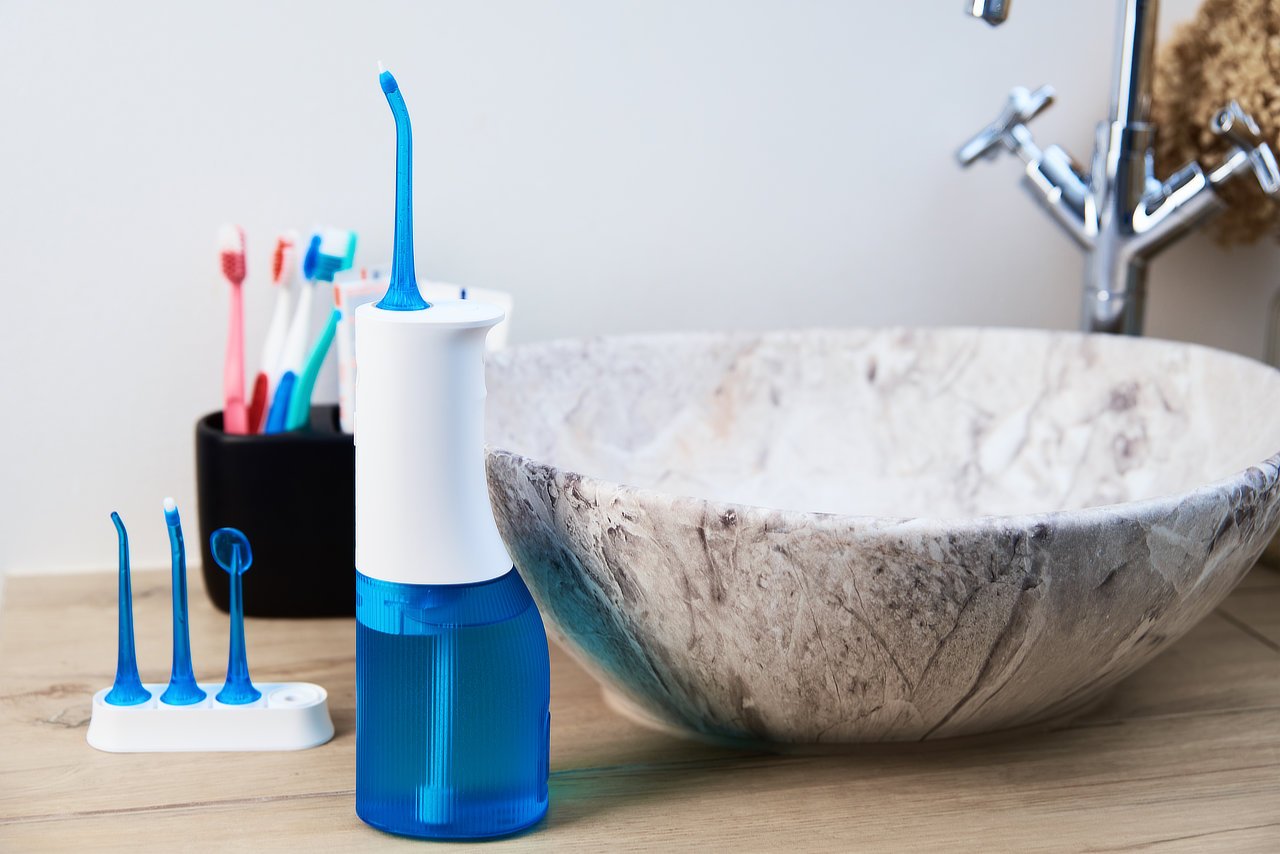
A Water Pik uses a stream of pulsating water to clean between teeth and along the gum line. It is a popular alternative to traditional flossing for many dental implant patients.Advantages
- Ease of Use: Water flossers are generally easier to use, especially for individuals with limited manual dexterity or those who find traditional flossing difficult.
- Gentle on Gums: The pulsating water stream is gentle on the gums, reducing the risk of irritation and bleeding.
- Effective for Implants: Water flossers can effectively remove plaque and debris from around dental implants, providing a deep clean that reaches areas traditional floss might miss.
Disadvantages
- Cost: Water flossers are more expensive than traditional dental floss, and they require an initial investment and regular maintenance.
- Learning Curve: Using a water flosser requires some practice to achieve optimal results and avoid making a mess.
Which is Better for Dental Implants?
Both traditional flossing and using a Water Pik have their merits, and the best choice depends on your personal preference, comfort, and specific dental needs. Here are some considerations to help you decide:Conclusion
Maintaining good oral hygiene is crucial for the longevity of your dental implants. Whether you choose traditional flossing, a Water Pik, or a combination of both, the key is to be consistent and thorough in your daily oral care routine. Regular dental visits and professional cleanings will also play a significant role in keeping your implants healthy and functional for years to come.Call to Book Your Appointment Today
(207) 363-6551
York Village Dental – Where Beautiful Smiles Begin