

Demystifying Root Canal Treatment
Understanding the Need for a Root Canal
A root canal is often the best solution for saving a tooth that has been severely damaged or infected. This procedure is essential for alleviating pain and preventing the spread of infection, which can lead to more serious health issues. The goal of a root canal is to clean out the damaged area of the tooth, disinfect it, and then fill and seal it to safeguard its integrity.
Dispelling Common Myths
Many people associate root canal treatment with pain and discomfort, but with modern dental techniques, it’s usually no more uncomfortable than getting a filling. The procedure not only relieves dental pain but also preserves the natural tooth, which is beneficial for your overall dental health.
Pre-Procedure: Preparation and Expectations
Consultation and Diagnosis
Before the procedure, your dentist will conduct a thorough examination, which may include X-rays, to determine the extent of the tooth damage or infection. This step is crucial for planning the root canal treatment and ensuring its success.
Understanding the Process
Your dentist will explain the steps of the root canal procedure, addressing any concerns or questions you might have. It’s important to understand what the treatment entails and how it can benefit your dental health.
The Root Canal Procedure: Step-by-Step Guide
Step 1: Anesthesia
Administering Local Anesthesia: The first step in a root canal is to ensure the patient’s comfort. The dentist or endodontist administers local anesthesia to numb the affected tooth and surrounding tissues. This is typically done using a small injection, and the area may feel numb for several hours after the procedure.
Ensuring Patient Comfort: After the anesthesia is administered, the dentist will wait a few minutes to ensure that the area is fully numb. During this time, the patient should feel no pain, only slight pressure during the treatment.
Step 2: Access Opening
Creating an Opening in the Tooth: The dentist then creates a small opening in the crown of the tooth to access the pulp chamber. This is usually done with a dental drill. The aim is to create a clean and precise opening that allows easy access to the infected or damaged pulp.
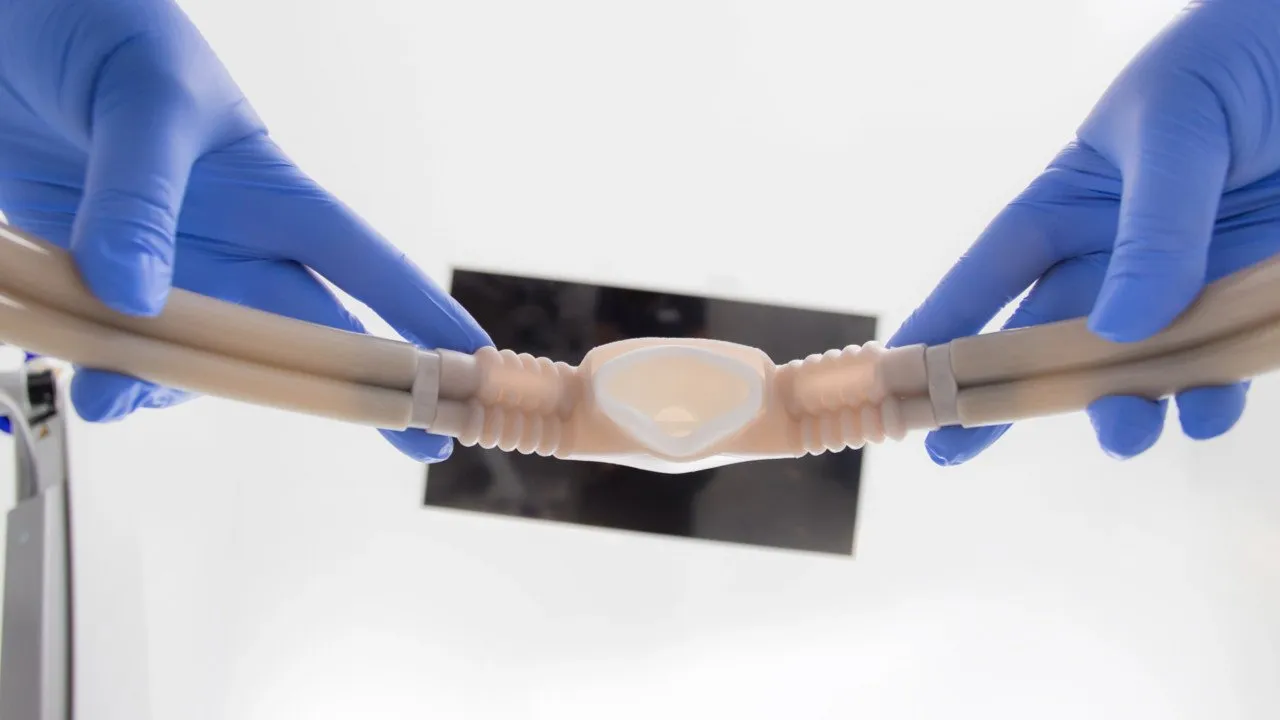
Preventing Contamination To keep the area dry and free from saliva during the procedure, a rubber dam (a small sheet of rubber) is placed around the tooth. This isolation is crucial for the success of the root canal.
Step 3: Pulp Removal
Removing the Infected Pulp Using specialized dental instruments, such as files, the dentist carefully removes the infected or damaged pulp from the pulp chamber and root canals. This step is vital to eliminate bacteria and prevent further infection.
Cleaning and Disinfecting: After the pulp is removed, the dentist cleans and disinfects the empty canals. This may involve flushing the canals with an antibacterial solution to ensure all bacteria are eradicated.
Step 4: Filling the Canals
Filling with Biocompatible Material: Once the canals are clean and dry, the dentist fills them with a biocompatible material, usually a rubber-like material called gutta-percha. This filling helps to stabilize the tooth and prevent reinfection.
Sealing the Canals: After filling, the dentist seals the canals to prevent bacteria from re-entering. This step is crucial for the long-term success of the root canal.
Step 5: Sealing the Tooth
Temporary Filling: Initially, a temporary filling is placed to close the opening on the tooth’s surface. This protects the tooth until a more permanent restoration, like a crown, can be placed.
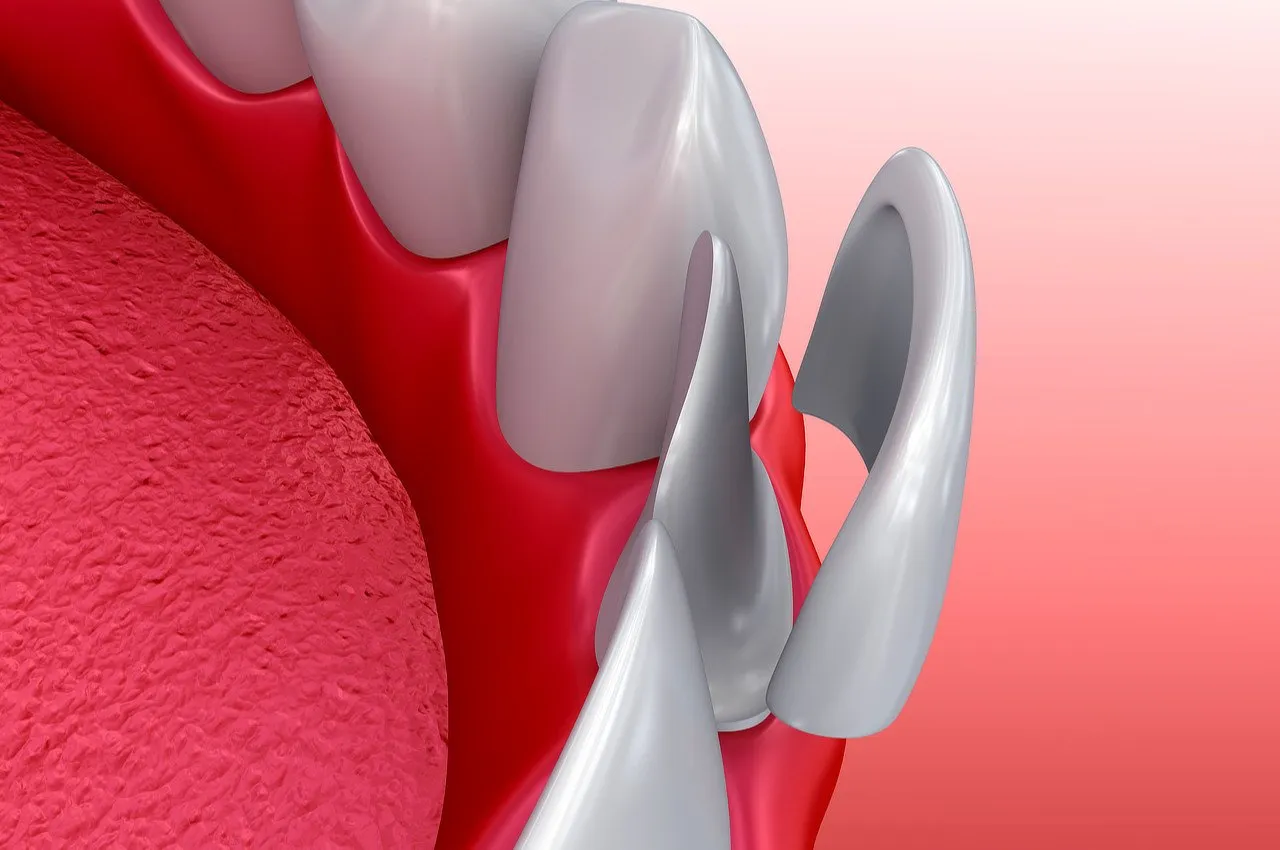
Restoration of the Tooth: In a subsequent appointment, the temporary filling is replaced with a permanent filling or a crown. This restoration is important to restore the tooth to its full function and appearance, and to protect it from future damage.
Each of these steps is carried out with precision and care to ensure the best possible outcome for the patient. The root canal procedure is a highly effective way to save a tooth that might otherwise need to be extracted due to infection or damage.
Post-Procedure: Recovery and Care
Immediate Aftercare
After the procedure, it’s normal to experience some sensitivity or discomfort, which can be managed with over-the-counter pain relievers. Your dentist will provide specific instructions on how to care for your tooth and manage any post-procedure symptoms.
Long-Term Care and Follow-Up
Good oral hygiene practices and regular dental visits are crucial for the long-term success of your root canal treatment. Your dentist may schedule a follow-up appointment to monitor the treated tooth and ensure that it is healing properly.
In Conclusion: Embracing a Healthier Smile
The Benefits of a Root Canal
A successful root canal treatment can save your natural tooth, prevent the spread of infection, and restore your oral health. It’s a reliable and effective way to treat a tooth that might otherwise need to be extracted.
Moving Forward with Confidence
With a better understanding of what to expect from a root canal procedure, you can approach your treatment with confidence. Remember, this procedure is a positive step towards maintaining your dental health and enjoying a pain-free smile.
Call to Book Your Appointment Today
York Village Dental – Where Beautiful Smiles Begin