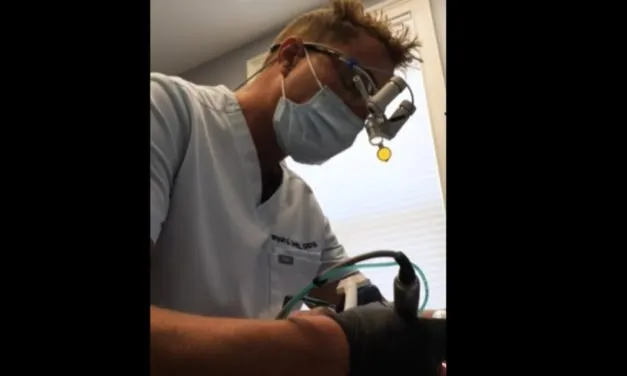


Dental implants have revolutionized tooth replacement, offering a durable and aesthetically pleasing solution for missing teeth. Proper care for your dental implants is crucial to ensure their longevity and functionality. This comprehensive guide will provide you with the best ways to maintain your dental implants, from brushing techniques to flossing tips, ensuring that your implants look and perform at their best. Read on to discover everything you need to know about dental implant care.
1. What Are Dental Implants?
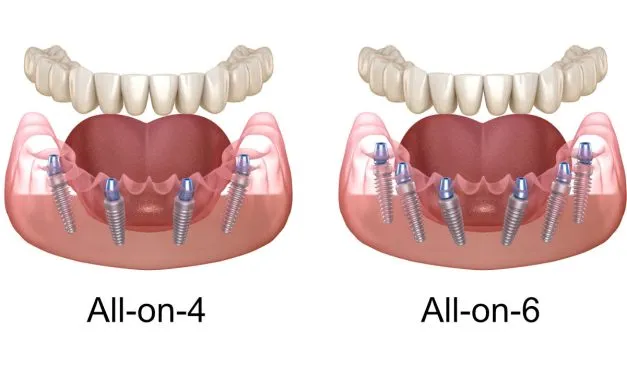
Dental implants are artificial tooth roots, typically made of titanium, that are surgically placed into the jawbone to support a replacement tooth or bridge. They provide a strong foundation for fixed or removable replacement teeth that are made to match your natural teeth. Dental implants have become the preferred choice for tooth replacement due to their durability, natural appearance, and ability to preserve bone structure.
Benefits of Dental Implants
Dental implants offer numerous advantages over traditional dental prosthetics, including:
– Improved appearance: Dental implants look and feel like natural teeth.
– Enhanced comfort: They eliminate the discomfort of removable dentures.
– Easier eating: Implants function like natural teeth, allowing you to eat your favorite foods with confidence.
– Improved oral health: Dental implants do not require the reduction of adjacent teeth, as a tooth-supported bridge does.
2. Why Proper Care for Your Dental Implants is Essential
Proper care for your dental implants is vital to ensure their longevity and prevent complications such as peri-implantitis, a gum disease that can lead to implant failure. By maintaining a diligent oral hygiene routine and visiting your dentist regularly, you can reduce your risk of implant-related issues and enjoy a lifetime of healthy, functional teeth.
Long-Term Success
The success of dental implants largely depends on how well you take care of them. Good oral hygiene habits, such as brushing and flossing daily, can help prevent plaque buildup and gum disease around the implant. Additionally, regular dental check-ups are crucial for monitoring the health of your implants and addressing any potential problems early on.
3. Daily Oral Hygiene for Dental Implants
Establishing a consistent oral hygiene routine is essential for keeping your dental implants clean and healthy. Here are some key practices to incorporate into your daily regimen:
Brushing
Brush your teeth, including your dental implants, at least twice a day with a soft-bristled toothbrush. Use a low-abrasive toothpaste to avoid scratching the surface of the implants and causing damage.
Flossing
Floss daily around the implant to remove plaque and food particles that can lead to gum disease. Consider using dental floss designed specifically for implants to ensure thorough cleaning.
Mouthwash
Using an antibacterial mouthwash can help reduce plaque buildup and maintain overall oral health. Rinse your mouth with mouthwash after brushing and flossing for optimal results.
4. Brushing Techniques for Dental Implant Maintenance
Effective brushing techniques are crucial for maintaining the health of your dental implants. Here are some tips to ensure you’re brushing correctly:
Choose the Right Toothbrush
Opt for a soft-bristled toothbrush to avoid damaging the gum tissue and implant surface. An electric toothbrush can also be beneficial, as it provides consistent and gentle cleaning.
Brush Twice a Day
Brush your teeth and implants at least twice a day, preferably after meals. Ensure you cover all surfaces, including the gumline and around the implant.
Use Proper Technique
Hold your toothbrush at a 45-degree angle to your gums and use gentle, circular motions to clean your teeth and implants. Avoid scrubbing too hard, as this can cause gum recession and damage your implants.
5. Flossing Around Dental Implants: Tips and Tricks
Flossing is an essential part of dental implant care, as it helps remove plaque and food particles that brushing alone cannot reach. Here are some tips for effective flossing:
Select the Right Floss
Choose dental floss designed for implants, as it is specifically formulated to clean around the implant post without causing damage.
Floss Daily
Floss around your dental implants at least once a day to maintain good oral hygiene and prevent gum disease.
Use the Right Technique
Gently slide the floss between your teeth and the implant, wrapping it in a C-shape around the implant post. Move the floss up and down to clean both sides of the implant and remove plaque.
6. The Role of Mouthwash in Implant Care
Incorporating mouthwash into your oral hygiene routine can provide additional protection for your dental implants. Here’s how mouthwash can benefit your implant care:
Antibacterial Properties
Mouthwash with antibacterial properties can help reduce plaque and bacteria around the implant site, preventing gum disease and peri-implantitis.
Fresh Breath
Using mouthwash can also help keep your breath fresh, contributing to overall oral health.
How to Use Mouthwash
Rinse your mouth with mouthwash after brushing and flossing, swishing it around for 30 seconds before spitting it out. Choose an alcohol-free mouthwash to avoid drying out your gums.
7. Recognizing and Preventing Peri-Implantitis
Peri-implantitis is a serious condition that can lead to implant failure if not addressed promptly. Recognizing the signs and taking preventive measures can help protect your dental implants.
Signs of Peri-Implantitis
– Red, swollen gums around the implant
– Bleeding when brushing or flossing
– Pus or discharge around the implant site
– Bad breath or a bad taste in your mouth
Preventive Measures
– Maintain good oral hygiene by brushing and flossing daily.
– Use an antibacterial mouthwash to reduce plaque buildup.
– Visit your dentist regularly for check-ups and professional cleanings.
8. Regular Dental Check-Ups: A Key to Long-Term Success
Regular dental check-ups are essential for monitoring the health of your dental implants and addressing any issues early on. Here’s why you should see your dentist at least twice a year:
Professional Cleanings
Professional cleanings can remove plaque and tartar buildup that regular brushing and flossing may miss, preventing gum disease and peri-implantitis.
Early Detection
Regular dental visits allow your dentist to detect and treat any potential problems with your implants early, ensuring long-term success.
Personalized Advice
Your dentist can provide personalized advice on how to care for your dental implants and recommend any additional treatments or products that may be beneficial.
9. Diet and Lifestyle Tips for Healthy Implants
Your diet and lifestyle choices can significantly impact the health of your dental implants. Here are some tips to keep your implants in top condition:
Avoid Hard Foods
Avoid biting down on hard foods, such as ice or hard candy, which can damage your implants and natural teeth.
Quit Smoking
Smoking can increase the risk of implant failure and gum disease. Quitting smoking can improve your overall oral health and enhance the longevity of your dental implants.
Eat a Balanced Diet
A balanced diet rich in vitamins and minerals can support healthy gums and bones, providing a strong foundation for your dental implants.
10. Common Mistakes to Avoid in Dental Implant Care
Avoiding common mistakes can help ensure the longevity and success of your dental implants. Here are some pitfalls to watch out for:
Using Abrasive Toothpaste
Avoid using abrasive toothpaste, as it can scratch the surface of your implants and cause damage. Opt for a low-abrasive toothpaste specifically designed for dental implants.
Skipping Dental Visits
Regular dental visits are crucial for maintaining the health of your dental implants. Skipping check-ups can lead to undetected issues and implant failure.
Ignoring Oral Hygiene
Neglecting your oral hygiene routine can result in plaque buildup, gum disease, and peri-implantitis. Make sure to brush and floss daily to keep your implants clean and healthy.
Summary: Key Points to Remember
– Dental implants provide a durable and natural-looking solution for missing teeth.
– Proper care for your dental implants is essential to ensure their longevity and functionality.
– Establish a consistent oral hygiene routine that includes brushing, flossing, and using mouthwash.
– Choose a soft-bristled toothbrush and a low-abrasive toothpaste to avoid damaging your implants.
– Recognize the signs of peri-implantitis and take preventive measures to protect your implants.
– Visit your dentist at least twice a year for professional cleanings and check-ups.
– Avoid hard foods and quit smoking to support the health of your implants
– Make informed choices about your oral hygiene products and practices to ensure the long-term success of your dental implants.
By following these tips and maintaining a diligent oral hygiene routine, you can enjoy the benefits of your dental implants for many years to come.
Call to Book Your Appointment Today
(207) 363-6551
York Village Dental – Where Beautiful Smiles Begin