

1. Understand Your Cavity Risk Level
Regular Dental Check-ups:
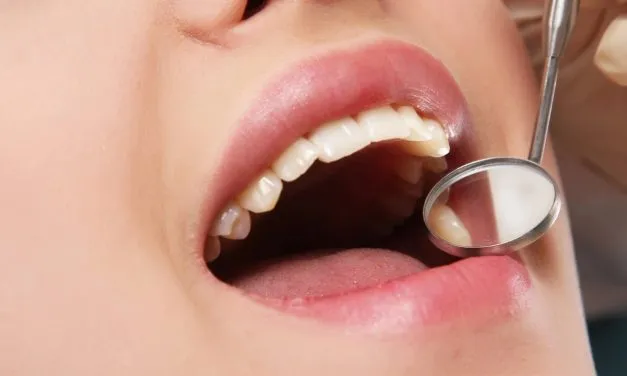
The foundation of a cavity-free smile is understanding your personal risk for tooth decay. Regular dental check-ups are essential, as they allow your dentist to assess your oral health and identify any early signs of decay.Personalized Cavity Prevention Plan:
Based on your risk level, your dentist can create a personalized cavity prevention plan. This may include specific brushing and flossing techniques, dietary recommendations, and fluoride treatments.2. Master the Art of Brushing and Flossing
Choosing the Right Tools:
Select a soft-bristled toothbrush and fluoride toothpaste. For flossing, choose a type that you find easy and comfortable to use, whether it’s traditional string floss, dental tape, or a water flosser.Techniques That Make a Difference:
Brush at least twice a day for two minutes, ensuring you cover all surfaces of your teeth. Floss daily to remove plaque and food particles from between your teeth and under the gumline, where your toothbrush can’t reach.3. Embrace a Tooth-Friendly Diet
Foods to Favor and Avoid:
A balanced diet is crucial for dental health. Limit sugary and acidic foods, as they can erode tooth enamel. Instead, focus on foods rich in calcium, phosphorus, and vitamin D, such as dairy products, leafy greens, and nuts, to strengthen your teeth.The Role of Water in Oral Health:
Drinking water, especially fluoridated water, helps rinse away food particles and bacteria. It also promotes saliva production, which neutralizes harmful acids and helps protect your teeth from decay.4. Fluoride: Your Ally Against Cavities
The Science of Fluoride:
Fluoride is a mineral that strengthens tooth enamel and makes it more resistant to decay. It can also reverse early signs of tooth decay by remineralizing areas where enamel has begun to break down.Sources of Fluoride:
Besides toothpaste and tap water, your dentist may recommend fluoride treatments during your dental visits. These treatments provide a higher concentration of fluoride and offer additional protection against cavities.5. Seal the Deal with Dental Sealants
How Sealants Work:
Dental sealants are thin, protective coatings applied to the chewing surfaces of the back teeth (molars and premolars). They seal off grooves and crevices where food and bacteria tend to get trapped, preventing decay.The Best Time for Sealants:
The best time to apply sealants is soon after the molars and premolars erupt. Children and teenagers are prime candidates, but adults can benefit from sealants too.6. The Power of Regular Dental Visits
Professional Cleanings:
Even with diligent at-home care, professional cleanings are necessary to remove tartar (hardened plaque) that can’t be brushed or flossed away. Regular cleanings help prevent cavities and gum disease.Early Detection and Prevention:
Regular dental exams allow your dentist to detect problems early when they’re easier and less expensive to treat. Your dentist can also provide advice on how to improve your oral hygiene routine and prevent future cavities.In Conclusion
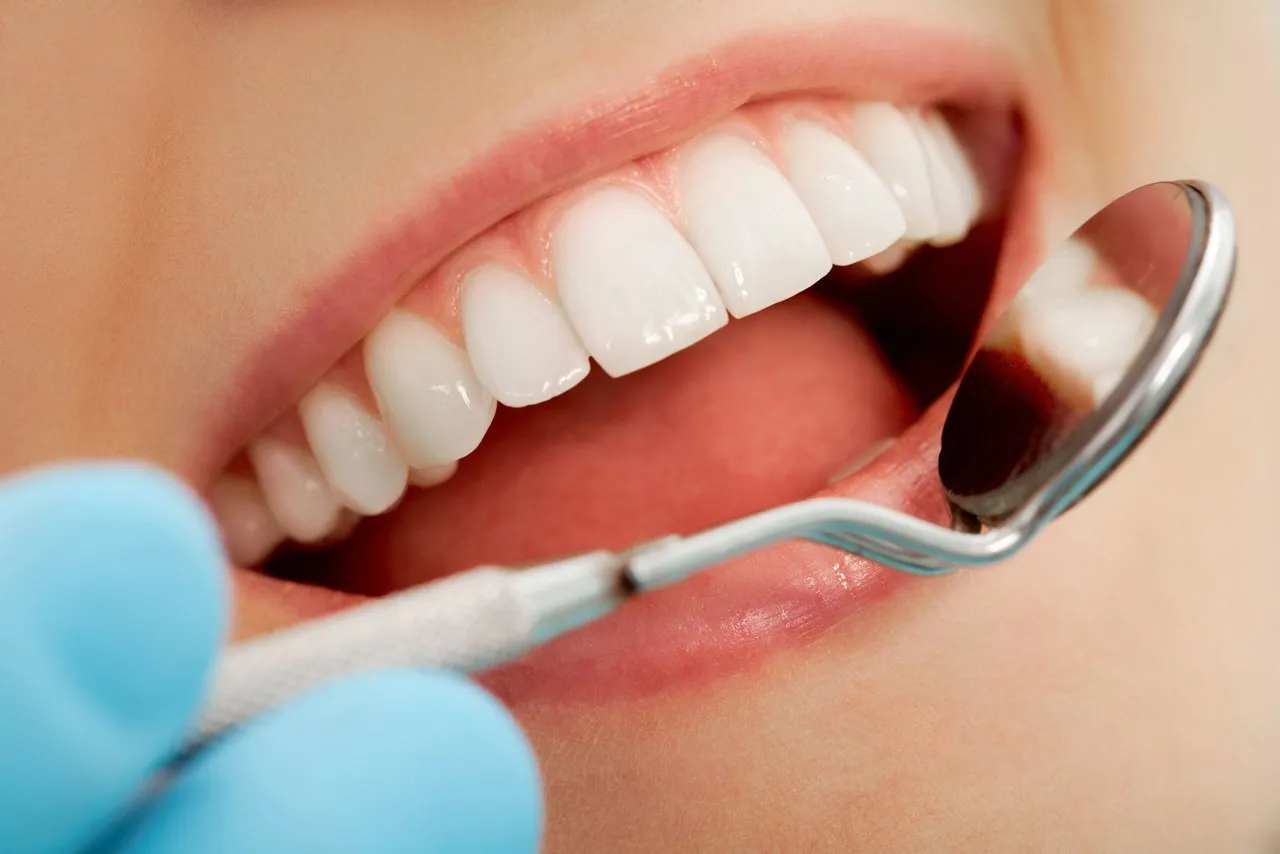
Maintaining a cavity-free smile is a combination of professional dental care and good oral hygiene practices at home. By understanding your risk level, mastering the basics of brushing and flossing, eating a tooth-friendly diet, utilizing fluoride, considering dental sealants, and visiting your dentist regularly, you can keep your smile healthy and bright for years to come. Remember, preventive care is the key to avoiding cavities and ensuring that your smile remains radiant and healthy. Start implementing these strategies today, and don’t hesitate to reach out to your dental professional for personalized advice and care.Frequently Asked Questions About Maintaining a Cavity Free Smile
1. How often should I brush and floss?
Brushing should be done at least twice a day, ideally in the morning and before bedtime, to remove plaque and bacteria that have accumulated overnight and throughout the day. Each brushing session should last for two minutes, ensuring that all tooth surfaces are thoroughly cleaned. Using fluoride toothpaste enhances the protection against tooth decay by strengthening tooth enamel and helping to remineralize areas of early decay.
Flossing once a day is crucial for removing plaque and food particles from between the teeth and under the gumline, areas where a toothbrush cannot reach. Regular flossing helps prevent gum disease and cavities by disrupting the colonies of bacteria along the gumline and between teeth, thus preventing the buildup of plaque and tartar. Together, brushing and flossing form the cornerstone of an effective oral hygiene routine.
2. Can diet really affect my dental health?
Yes, diet plays a significant role in dental health. Foods high in sugars and carbohydrates can contribute to the formation of plaque and acid, which can lead to tooth decay. Sticky or sugary snacks that linger on the teeth provide a constant food source for bacteria, allowing them to produce harmful acids that attack tooth enamel. Conversely, a diet rich in fruits, vegetables, lean proteins, and dairy products can provide essential nutrients that promote oral health, such as calcium and phosphorus, which help to strengthen tooth enamel and protect against decay.
Additionally, water, particularly fluoridated water, is beneficial for dental health as it helps to rinse away food particles and dilute acids produced by bacteria in the mouth. Drinking water throughout the day encourages saliva production, which naturally cleanses the teeth and neutralizes harmful acids. Limiting the intake of acidic beverages like soda and fruit juices can also help protect tooth enamel from erosion. Thus, making mindful dietary choices is key to maintaining a healthy smile.
3. Is fluoride safe?
Fluoride is a naturally occurring mineral that has been proven to be safe and effective in preventing tooth decay when used appropriately. It strengthens tooth enamel, making it more resistant to acid attacks from plaque bacteria and sugars in the mouth. Fluoride can also help to repair early damage to teeth by remineralizing areas where acid has begun to dissolve the tooth enamel. The American Dental Association, World Health Organization, and other health agencies endorse the use of fluoride in dental care products and community water fluoridation as a safe method to prevent tooth decay.
While fluoride is beneficial for dental health, it is important to use it in the correct amounts. Ingesting too much fluoride during early childhood can lead to dental fluorosis, a cosmetic condition that affects the appearance of the tooth enamel. However, dental fluorosis is usually mild and can often only be detected by a dental professional. To prevent fluorosis while still reaping the benefits of fluoride, it’s important to monitor the use of fluoride toothpaste in young children, ensuring they use only a pea-sized amount and do not swallow it during brushing.
4. Are dental sealants necessary?
Dental sealants are a highly effective preventive measure against cavities, particularly for molars and premolars, which have deep grooves and pits that can be difficult to clean. Sealants are thin, protective coatings applied to the chewing surfaces of these back teeth, preventing food and bacteria from getting trapped. This can significantly reduce the risk of tooth decay in these vulnerable areas. Sealants are especially recommended for children and teenagers, as their developing teeth are more susceptible to cavities, but adults can benefit from sealants as well.
The application of sealants is a quick, painless procedure performed by a dentist or dental hygienist and can protect teeth for many years, though they may need to be checked for wear and tear during regular dental visits. Considering the cost and discomfort associated with dental fillings and other treatments for tooth decay, sealants are a cost-effective and preventive strategy that can save patients time, money, and the inconvenience of more invasive dental procedures in the future.
5. How often should I visit the dentist?
It is generally recommended to visit the dentist every six months for a routine check-up and cleaning, although some individuals may require more frequent visits depending on their specific oral health needs. Regular dental visits are crucial for maintaining oral health, as they allow for the early detection and treatment of potential issues such as cavities, gum disease, and even oral cancer. Professional cleanings also remove tartar buildup, which cannot be removed by brushing and flossing alone, helping to prevent periodontal disease.
During a dental visit, your dentist will also provide personalized advice on how to improve your oral hygiene routine and address any specific concerns you may have. For individuals with a history of dental issues, such as frequent cavities or gum disease, your dentist may recommend more frequent visits to closely monitor your oral health and provide timely interventions. Ultimately, the frequency of dental visits should be determined by your dentist based on a comprehensive assessment of your oral health status.
Call to Book Your Appointment Today
York Village Dental – Where Beautiful Smiles Begin