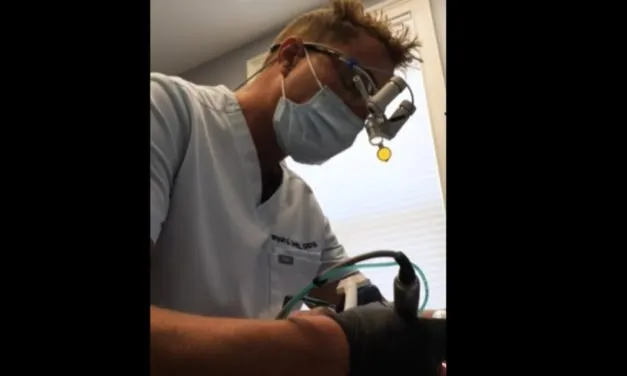


Good oral hygiene is the cornerstone of dental health and overall well-being. This comprehensive guide is designed to provide you with all the information you need to keep your smile bright, healthy, and strong. Whether you’re looking to refine your daily dental care routine or seeking advice on preventing oral health issues, York Village Dental is here to guide you every step of the way.
Understanding Oral Hygiene
What is Oral Hygiene?
Oral hygiene refers to the practice of keeping one’s mouth clean and free of disease by regularly brushing and flossing. It’s not just about avoiding cavities; it’s about maintaining the health of your gums, preventing bad breath, and preserving your teeth for a lifetime.
Why is Oral Hygiene Important?
Good oral hygiene is essential not only for your dental health but also for your overall health. Poor oral health has been linked to various diseases, including heart disease, diabetes, and respiratory infections. By taking care of your mouth, you’re taking a crucial step towards protecting your body’s health.
Best Practices for Oral Hygiene
Brushing Your Teeth
- How to Brush: Use a fluoride toothpaste and a soft-bristled toothbrush. Brush your teeth at a 45-degree angle to the gums, using gentle circular motions. Ensure you brush all surfaces of your teeth, your tongue, and the roof of your mouth to remove bacteria.
- When to Brush: Brush at least twice a day, in the morning and before bed, for two minutes each time.
Flossing is Essential
- The Importance of Flossing: Flossing removes plaque and food particles from between your teeth and under the gumline, areas where a toothbrush can’t reach.
- How to Floss: Gently insert the floss between your teeth and curve it into a “C” shape against one tooth. Slide it into the space between the gum and the tooth, and move it up and down.
Regular Dental Checkups
Frequency of Visits: Visit your dentist at least twice a year for professional cleanings and checkups. These visits are crucial for detecting early signs of gum disease, cavities, and other oral health issues.
Advanced Oral Hygiene Tips
Diet and Oral Health
What you eat significantly impacts your oral health. Sugary foods and drinks can lead to cavities, while acidic foods can erode tooth enamel. Eat a balanced diet rich in fruits, vegetables, and calcium-rich foods to support strong teeth and gums.
Dealing with Dental Problems
Don’t wait to address dental issues. If you experience tooth pain, sensitivity, or notice bleeding gums, contact your dentist immediately. Early intervention can prevent more severe problems down the line.
Frequently Asked Questions About Oral Hygiene
What is the best way to whiten my teeth?
The safest and most effective way to whiten your teeth is through professional treatments offered by your dentist. Over-the-counter whitening products are available, but they may not be suitable for everyone and could potentially harm your teeth and gums if not used correctly. Before considering teeth whitening, it’s essential to have a dental checkup to address any underlying issues like cavities or gum disease, as whitening products can exacerbate these conditions. Professional treatments are tailored to your specific needs, ensuring not only effective results but also the health and safety of your teeth.
How often should I replace my toothbrush?
You should replace your toothbrush every three to four months, or sooner if the bristles become frayed. Over time, toothbrush bristles lose their effectiveness and may harbor harmful bacteria. Using a worn-out toothbrush can also be less effective at removing plaque from teeth and gums, leading to oral health issues. Additionally, consider replacing your toothbrush after recovering from an illness like the flu or a cold to prevent the risk of re-infection.
Can mouthwash replace brushing and flossing?
No, mouthwash cannot replace brushing and flossing. While mouthwash can be a helpful addition to your oral hygiene routine by reducing bacteria, freshening breath, and in some cases, adding fluoride to help prevent cavities, it does not remove plaque and food particles as effectively as brushing and flossing. Think of mouthwash as a complement to your daily oral care routine, not a substitute.
What are the signs of gum disease?
Early signs of gum disease include red, swollen, or tender gums that bleed easily during brushing or flossing. Bad breath that won’t go away, receding gums, and sensitive teeth can also indicate gum disease. In its more advanced stages, gum disease can lead to painful chewing problems, loose or shifting teeth, and even tooth loss. If you notice any of these symptoms, it’s crucial to visit your dentist for an evaluation and appropriate treatment.
How can I prevent cavities?
Preventing cavities involves several key steps: Brush your teeth at least twice a day with fluoride toothpaste, floss daily to remove plaque from between your teeth, limit sugary and acidic foods and drinks, and visit your dentist regularly for checkups and cleanings. Additionally, consider dental sealants, a protective coating applied to the chewing surfaces of the back teeth (molars), which can prevent food and bacteria from getting stuck in the grooves and pits of the teeth, leading to cavities.