

Are Dental Implants Your Best Choice?
The Dental Implant Advantage Final
Welcome to another episode of All Things Dental brought to you by York Village Dental, your dental experts in York, Maine. On today’s episode, we are seeking an answer to the question, are dental implants your best option for replacing missing teeth? That’s a really big question, isn’t it? It touches on so much eating, speaking, confidence. Yeah.
Losing a tooth, well, it’s a bigger deal than just a gap in your smile. Absolutely. And for years, the options, dentures, bridges, they worked, but maybe weren’t perfect replacements.
But the information we’ve looked at for today suggests implants are, well, something different, almost revolutionary. They really are presented that way, like a way to get back what was lost, functionally speaking. Our goal today for All Things Dental is to really dig into that.
What are implants? How do they work? And what are the real benefits, the potential downsides too? We want to lay it all out so you, our listeners, can feel informed talking to your dentist. Okay. So starting right at the basics, what is a dental implant? The simplest definition is an artificial tooth root, usually made of titanium.
Right. The root, not the tooth part you actually see. Yeah.
Exactly. Think of your natural tooth crown above the gum root below. Lose the tooth, lose the root.
Implants replace that missing root. And why titanium? Ah, because it’s incredibly biocompatible. Your body generally doesn’t see it as foreign.
It actually integrates, fuses with the bone. That’s the key. So it becomes a permanent base.
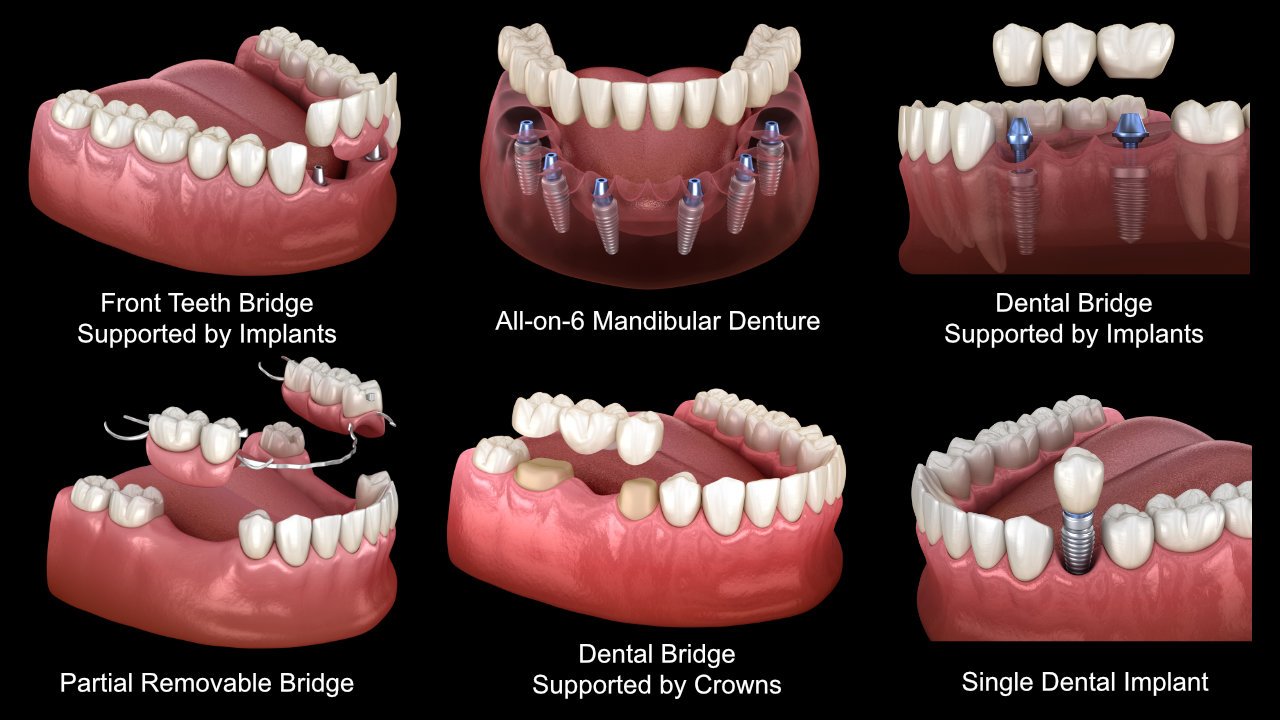
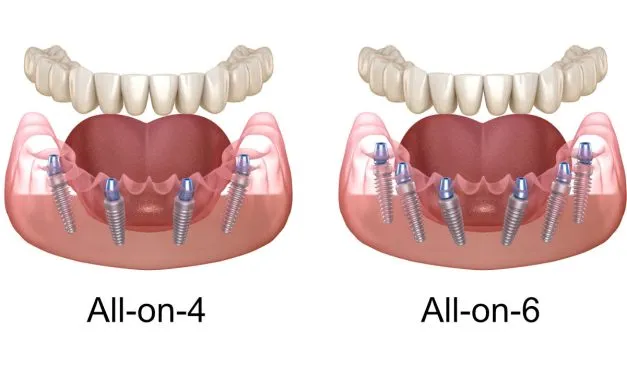
That’s the idea. A really stable foundation for whatever goes on top of a single crown, maybe a bridge, sometimes even anchoring a full set of teeth. And the sources really stress how different they are.
Designed to look, feel, and importantly, function like natural teeth. That functional part is huge. Dentures sit on the gums, right? Bridges lean on other teeth.
Implants are anchored in the bone itself. Meaning you can chew properly again. Much more effectively, yes.
Yeah. You get back a lot of that natural biting force. You can speak clearly, smile without worrying something might slip.
That confidence is a major theme. And this happens because the implant actually fuses with the jawbone. That sounds complex.
It’s a natural process called osseointegration. Osseo for bone, integration for joining. After the titanium post is placed, your bone cells actually grow onto and around it.
Seriously. The bone grows into the implant. Pretty much locks it right in place.
It takes time, usually a few months, but that fusion is what provides the incredible stability. It mimics a natural tooth root. Amazing.
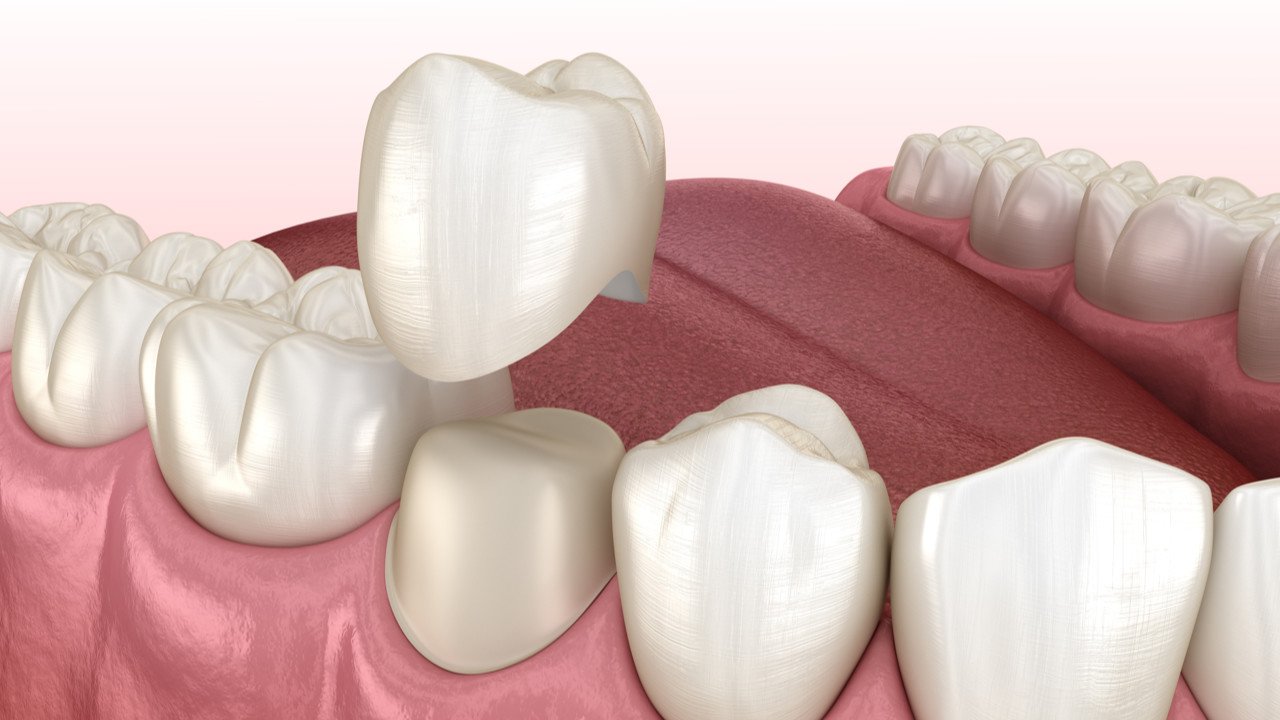
Okay. So structure-wise, there are three parts. Implant, abutment, crown.
Correct. The implant is the titanium screw in the bone, the foundation. Got it.
Then once it’s healed and integrated, the abutment is attached. Think of it as a connector piece. It usually sticks up just above the gum line.
And that holds the visible part. Exactly. The crown.
That’s the part that looks like a tooth, custom made to match your others in shape and color. Usually porcelain or something similar. So implant in bone, abutment connects, crown on top.
Makes sense. That solid foundation explains why the benefits are so significant. Let’s talk about those.
First, improved appearance. Right. And it’s more than just the nice looking crown.
When you lose the tooth root, the jawbone underneath starts to shrink away over time because it’s not getting stimulated by chewing. Oh, I’ve heard about that. It can change how your face looks.
Definitely. It can lead to that sort of sunken look around the mouth, making you look older. Implants, because they act like roots, stimulate the bone and help prevent that loss.
So they help maintain your natural facial contour. Exactly. Preserving that bone is key for a youthful look and, well, just feeling good about your smile.
That’s a huge benefit people might not think of. What about speech? Enhanced speech? Well, you know how sometimes dentures can slip or click when talking? It can make people hesitant to speak clearly or self-conscious. Must be frustrating.
It really can be. Implants are locked in place. No movement.
So you can speak completely naturally, clearly, without any worry. Pronunciation is easier. It restores confidence in conversation.
And I guess that stability leads right into the next point. Increased comfort. Absolutely.
Dentures resting on gums can cause sore spots, irritation. They can rub. You often need those messy adhesives too.
Right. Implants, once healed, just become part of you. They don’t move.
They don’t rub. You often forget they’re even there. No sore spots, no adhesives needed.
Much more comfortable. Feels more natural. And that must make eating easier too.
That’s a big one. Oh, massive. Missing teeth or unstable dentures really limit what you can eat comfortably.
Chewing power is way down. You avoid certain foods. Yeah.
Tougher things, chewy things, crunchy things, apples, steak, corn on the cob. Can be difficult or impossible. Implants restore a lot of that natural chewing power because they’re anchored firmly in the bone.
So you can enjoy food again. You really can. Eat your favorite foods with confidence, which is great for enjoyment, but also for nutrition.
Getting a wider range of healthy foods back into your diet. That makes sense. Improved oral health.
How does that work? Seems like surgery might pose risks. Good question. A key point here is that implants don’t require messing with the teeth next door.
A traditional bridge, for example, needs the adjacent teeth ground down to support it. Ah, so you’re sacrificing healthy tooth structure. Precisely.
Implants stand alone. They preserve those neighboring teeth. Plus, going back to the bone, by preventing bone loss, they help maintain the foundation for all your teeth, keeping the whole mouth healthier long-term.
That bone preservation seems critical. And what about how long they last? Durability and longevity. This is a really key difference.
Dentures and bridges typically need replacing every, say, 5 to 15 years, depending. They wear out or the jaw changes shape. Right.
Implants are made of titanium, which doesn’t decay. The crowns are tough. With good care, they’re designed to last a very, very long time, potentially your whole life.
So a bigger investment upfront, maybe, but potentially more cost-effective long-term. That’s certainly the perspective presented. It’s a permanent solution, avoiding repeated replacement costs.
And finally, convenience. This is simple but important. No taking teeth out to clean them, no soaking, no adhesives.
You just brush and floss them like your natural teeth. So your routine doesn’t change much. Exactly.
It simplifies everything. They’re just part of your mouth. Easy.
Okay. That’s a really compelling list of pros, but we need to be balanced. What about the potential drawbacks? It involves surgery.
Absolutely. That’s the main thing. It is oral surgery.
It’s not like getting a filling. And surgery can be intimidating. Understandably.
It’s usually done in stages. First, the surgery to place the implant in the bone. That’s often under local anesthetic, maybe sedation.
Then a healing period, several months for that osseointegration. Months. Wow.
Yes. Patience is needed. Then potentially a small second procedure for the abutment and finally attaching the crown.
So it’s process over time. And all surgery has risks, right? Yes. Infection, bleeding, maybe injury to nearby nerves or teeth.
Sinus issues for upper implants. These are possible, though generally not common with careful planning and an experienced surgeon. Nerve issues, while rare, could cause numbness or tingling.
Usually temporary, but something to be aware of. That leads to possible complications, like the implant not working. Right.
Implant failure is a possibility. It might not integrate properly with the bone initially, or it could lose stability later on. Why would that happen? Could be insufficient bone, infection, maybe too much force on it during healing, or later due to things like smoking, poor hygiene, causing gum problems around the implant, or maybe uncontrolled health issues like diabetes.
So patient health and aftercare are crucial. Absolutely. But it’s important to stress the success rates for implants are actually very high, especially with good planning and experienced dentists like the team at York Village Dental, Dr. Ryan Smith, for instance, focuses on meticulous planning.
Proper care and follow-up minimize these risks significantly. Good to know. How do implants stack up directly against, say, dentures or bridges? Well, stability and function are the big ones.
Implants are far more stable, anchored in bone. Dentures can slip. Bridges rely on other teeth.
Implants feel and work much more like natural teeth. OK. Then there’s bone preservation.
Implants actively help keep the jawbone strong. Dentures and bridges don’t do that. The bone underneath tends to shrink over time.
That seems like a huge long-term difference. It really is. And longevity, as we said.
Implants are designed for the long haul, potentially lifelong. Dentures and bridges need replacing much sooner. It’s a long-term investment versus recurring replacements.
OK. So the advantages seem clear in those comparisons. But who is actually a good candidate? It’s not for everyone.
No, definitely not automatic. A thorough dental evaluation is essential. What are they looking for? Healthy gums are important.
No active gum disease. You need enough good quality bone in your jaw to hold the implant securely. Sometimes bone grafting can help if there isn’t enough.
Good general health helps with healing. And crucially, you need to be committed to really good oral hygiene afterwards and regular dental visits. What about things like smoking or diabetes? Those can increase risks.
Heavy smoking really impacts healing. Uncontrolled diabetes, too. But it doesn’t necessarily rule you out.
If conditions are managed well or if someone quits smoking, implants can still be very successful. It just needs careful assessment and management by the dentist. So it’s about managing the risks.
Let’s quickly walk through the procedure steps again. Sure. Step one, initial appointment, exam, X-rays, probably a 3D CBCT scan for detailed planning.
Super important step. Right. The planning.
Step two, implant placement surgery. Placing the titanium screw into the jawbone, usually local anesthetic. Then sutures, maybe? Step three, healing.
That’s the osseointegration period, right? A couple of months, maybe more. Exactly. Waiting for the bone to fuse.
You might have a temporary tooth during this time. Step four, abutment placement. Once healed, attaching that connector piece that comes through the gum.
Sometimes a minor second procedure. Right. And finally, step five, crown placement.
After the gums heal around the abutment, they take impressions or scans, make the custom crown, and then attach it. That’s when you see the final tooth. It’s definitely a journey, and keeping it healthy long-term is key, you said.
Absolutely vital for that lifetime potential. It means diligent daily brushing and flossing. Maybe special tools like interdental brushes or a water flosser to clean around the implant thoroughly.
And regular dental checkups. Non-negotiable. Your dentist needs to monitor the implant, gums, bone, and do professional cleanings.
Avoiding smoking is huge. And if you grind your teeth, a night guard is probably essential to protect the implant from excessive force. So good habits are key.
Okay, bring it all back. Are dental implants the best option? The evidence seems strong. The case is very compelling.
Based on everything, the natural function, preserving bone, the longevity, comfort, convenience, they really are a top-tier solution for tooth loss. It’s still personal, right? Best option for you. Exactly.
That’s the key takeaway. While implants offer amazing benefits, whether they’re right for your specific health, your bone situation, your needs, that requires a professional consultation. Talking it through with a dental expert.
Put away the pros and cons for your unique situation. Precisely. Get that expert evaluation to see if you’re a good candidate and if it aligns with your goals.
It really highlights how replacing the root, not just the visible tooth, makes such a fundamental difference. It’s about rebuilding that foundation. It is.
And maybe the thought to leave people with is just how much that foundation matters, how losing even one root impacts us, maybe more than we realize, until we look at solutions designed to truly restore it. A powerful thought, indeed. For more information, be sure to visit York Village Dental’s website at yorkvillagedental.com and to call them at 207-363-6551 to book your appointment for a free consultation.
You’ll be glad you did. Thank you for joining us for today’s conversation on Are Dental Implants Your Best Option for Replacing Missing Teeth. We hope you enjoyed it and that we will see you again for our next fun episode of All Things Dental.
Until next time, stay safe and stay healthy.
Call to Book Your Appointment Today
York Village Dental – Where Beautiful Smiles Begin