
You know, it’s funny how we just assume we can, well, bite into an apple. Right. Or speak clearly, smile without thinking twice.
It’s true. We really do take it for granted. But when tooth loss happens, it can really affect those simple things, impacting quality of life significantly.
Yeah, it casts a long shadow. And that’s exactly what we’re diving into today, looking at all-on-four and all-on-six dental implants. Ah, good topic.
We’re basing this discussion on a really helpful article from York Village Dental in York, Maine. It’s by Dr. Ryan G. Smith, DDS. Oh, yes.
I’ve seen that piece. It does a very solid job explaining these advanced solutions. It really does.
It lays out how these aren’t your grandparents’ dentures, but stable, long-term options for people missing most or all their teeth. Exactly. It’s about getting function back, getting confidence back, not just filling a gap, but, you know, truly restoring things.
So let’s jump right in. All-on-four, all-on-six. What’s the fundamental idea here? Well, the core concept for both is actually pretty clever.
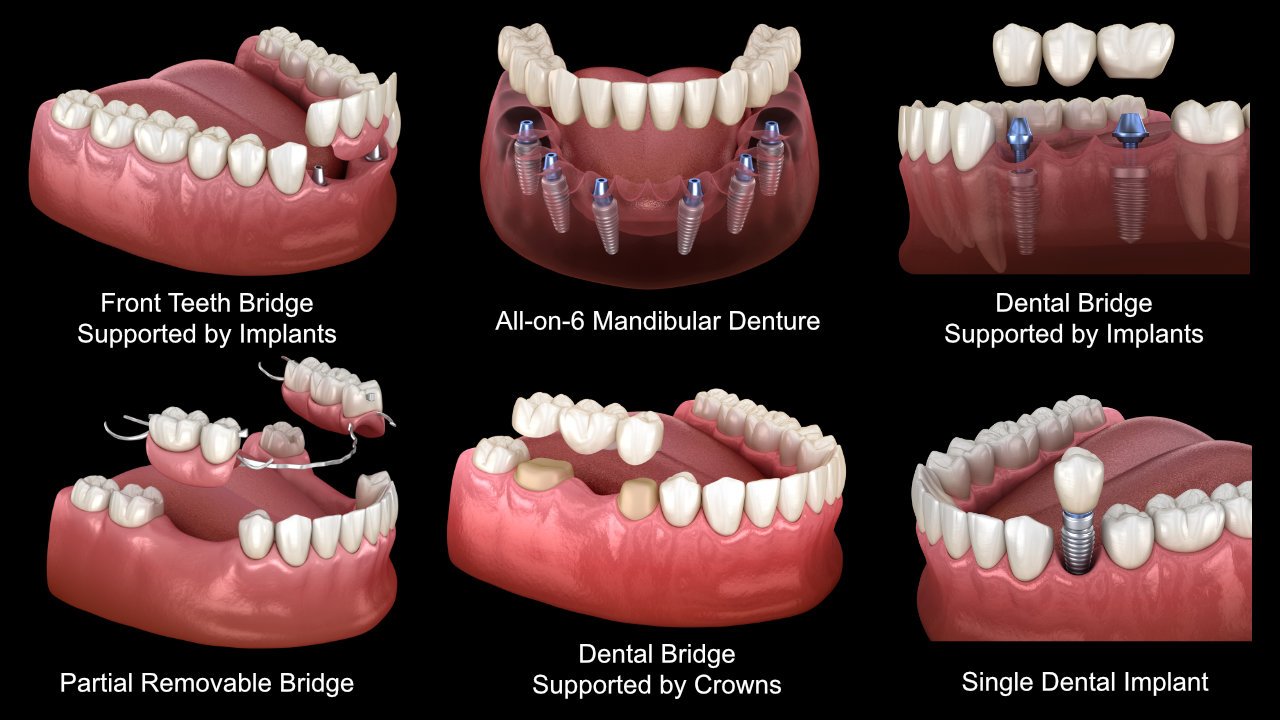
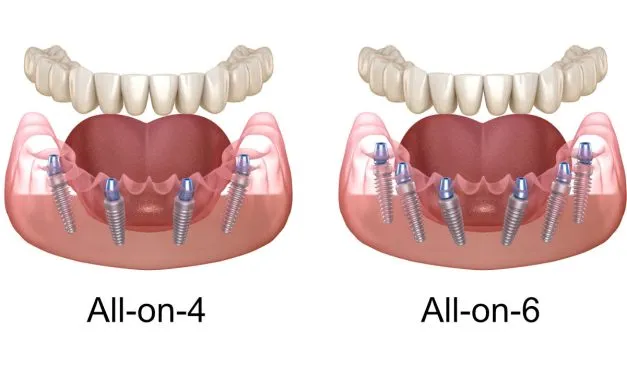
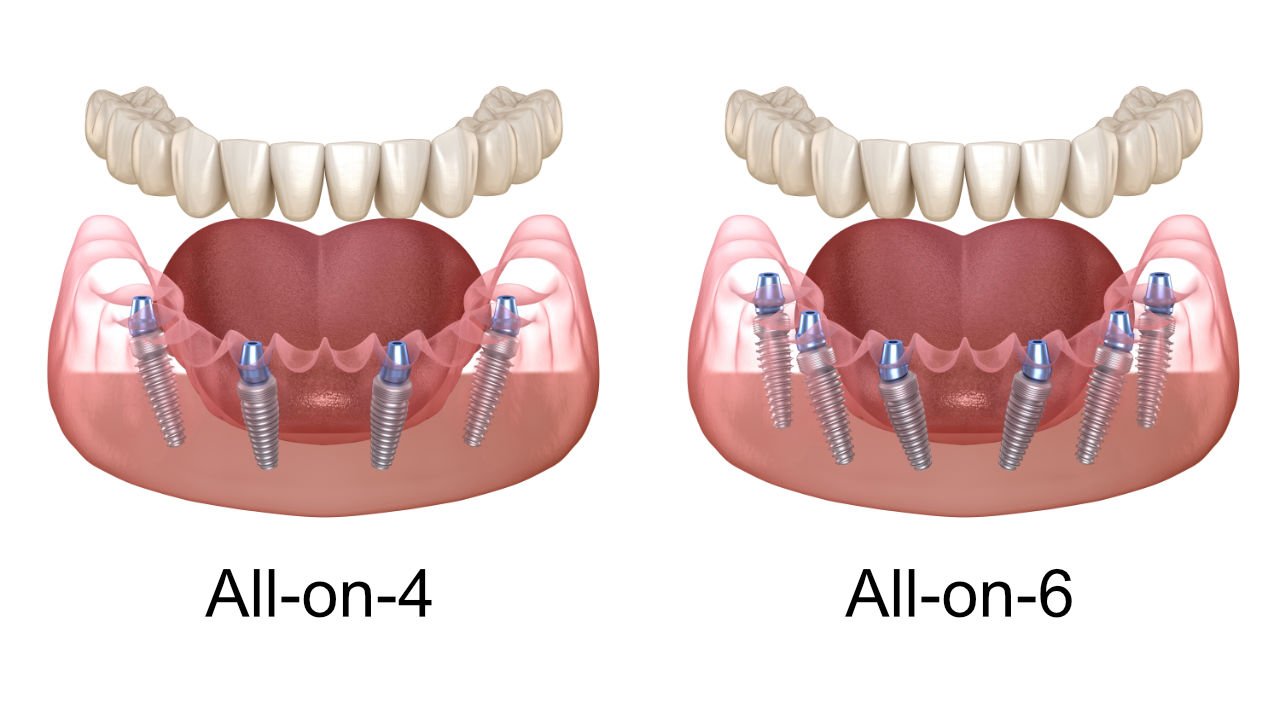
Instead of needing an implant for every single missing tooth, which would be quite involved… Yeah, sounds like a lot. Right. Both systems use just a few strategically placed implants, four for all-on-four, six for all-on-six to support a full arch, a whole set of prosthetic teeth.
Okay. So the number of implants is the main difference, four versus six. Let’s maybe tackle all-on-four first.
What’s special about that one? The really smart thing about all-on-four is how it’s designed, specifically for patients who might have already lost some jawbone. Which often happens after tooth loss, right? It does, yeah. So to work around that, and often to avoid needing bone grafts, which adds time and complexity, the back implants, the two posterior ones, are placed at an angle.
Ah, okay. So like two straight up in the front and two tilted in the back. Precisely.
That angle maximizes contact with the bone that is there, creating a really solid foundation without necessarily needing to build up the bone first. That makes sense. And I’ve heard the term teeth in a day associated with this.
Yes. That’s a huge plus. Often, patients can get the implants placed and walk out the same day with a temporary but functional and aesthetic set of teeth attached.
Wow. So no long waiting period without teeth. That’s significant.
It really is, psychologically and functionally. And there’s another benefit related to the bone itself. The implants stimulate the jawbone, much like natural tooth roots do.
Oh, right. Preventing more bone loss. Exactly.
It helps preserve the bone structure, which also helps maintain your facial shape over time. It’s not just about holding the teeth. It’s about supporting your whole facial architecture.
And of course, the final teeth are custom made to look and feel very natural. Okay. Fascinating.
Now, let’s shift to all-on-six. If all-on-four works so well, why the extra two implants? What does all-on-six bring to the table? So adding those two extra implants, going up to six, provides, well, even more support and stability for the full arch of teeth. Okay.
It’s generally considered ideal for patients who do have sufficient bone density. More anchors, basically. Right.
More points of contact. Does that distribute the chewing forces better? Yes, exactly. The pressure from biting and chewing gets spread out more evenly across those six implants and the jawbone.
And I imagine that might help with longevity. It potentially can, yes. By spreading the load, it might reduce stress on individual implants and the prosthetic over the long run.
So it’s often recommended if someone needs maximum support, maybe they have a very strong bite, or just for that extra peace of mind. The article mentioned that planning for all-on-six often involves really detailed scans, like 3D imaging. Why is that so critical here? Well, placing six implants perfectly requires very precise planning.
You need to know exactly where the best bone is, the nerve locations, sinus cavities. Makes sense. No guesswork.
Absolutely not. That 3D imaging lets the dental team map everything out digitally beforehand, ensuring optimal placement for stability and function. And like all-on-four, temporary teeth can often be placed the same day.
And then there’s a healing period before the permanent ones go on. Correct. That’s the osseointegration phase we mentioned earlier, where the implant actually bonds, fuses with the jawbone.
That takes typically about three to six months. Osseointegration. That’s the magic word for implants, isn’t it? It really is.
That biological fusion is what makes them so strong and stable. It’s the foundation for everything. So deciding between four or six implants really sounds like it’s not a patient choice alone, but depends heavily on their specific situation.
Absolutely. It’s a clinical decision based on bone volume, bone quality, bite force, lifestyle factors, patient preference too, of course. A thorough evaluation by the dental team, like the one Dr. Smith describes, is essential to figure out the best path forward for each individual.
Okay, great. We understand the what. Now, let’s zoom out a bit.
What are the big advantages of choosing either all-on-four or all-on-six over, say, traditional removable dentures? The difference is often night and day for patients. We talked about immediate function, getting teeth right away. That’s huge.
Then there’s the bone preservation aspect, which dentures don’t offer. Implants help keep your jaw healthy. And the appearance, they’re custom crafted to look very lifelike.
And the stability must be a major factor. No slipping or clicking like you sometimes get with dentures. Exactly.
They’re fixed in place. You can eat foods you might have avoided for years, speak confidently, smile without holding back. They are built to last too.
With good care, we’re talking potentially 20 years, maybe even a lifetime. That kind of confidence boost must be incredible. It really is.
It improves social interaction, enjoyment of food, just overall well-being. So who’s the ideal person for this? Is it just for people missing literally all their teeth? Typically, yes. Someone missing most or all teeth in an arch, either upper or lower or both.
They need to have enough jawbone or be suitable for grafting if needed. And they should be looking for something permanent, stable, not removable. And general health matters too, right? Yes, definitely.
Good overall health is important for healing. Certain conditions might affect osseointegration, so that’s part of the initial assessment. Okay.
Let’s walk through the process. Someone’s interested. They have a consultation.
What happens next? Right. So that first visit is key. There’s the exam, the x-rays, those 3D scans we talked about, and a lot of discussion to create a personalized plan.
Then the surgery itself. Then the surgery, yes, where the four or six implants are placed. And often, as we said, the temporary teeth are fitted that same day, so you leave with a smile.
Which is amazing. Then comes the healing, that three to six-month osseointegration period. Exactly.
The patient wears the temporaries during this time while the bone fuses to the implants. It’s a crucial quiet phase for the body
Call to Book Your Appointment Today
York Village Dental – Where Beautiful Smiles Begin