
Transcript
Welcome to another episode of All Things Dental, brought to you by York Village Dental, your dental experts in York, Maine. On today’s episode, we are discussing the hidden dangers of broken or cracked teeth. Now, that might sound a little bit serious, uh, like we’re about to dive into some heavy dental drama maybe, but we’re gonna unpack it in a way that’s not just informative, but hopefully pretty entertaining because honestly.
Something that seems as small as a tiny chip or you know, a hairline fracture can actually have some pretty big surprising implications for your overall health. Mm, far beyond just a toothache. It’s so true. We often think teeth are these incredibly tough, almost indestructible things. And while they are to an extent, your enamel, that outer layer, hardest substance in your body, but they’re definitely not invincible.
And what often gets overlooked is that even a seemingly minor crack one you might barely notice, it can be a subtle sign of something. Uh, far more significant brewing beneath the surface. There are genuine, hidden aspects here. We should understand. Not to be scared, but just well informed. Okay. Let’s unpack this for real then.
What exactly causes a tooth to crack or chip or break in the first place? I mean, besides, you know, trying to open a bottle with your. Teeth don’t do that. Or maybe falling face first. Those are pretty obvious, right? Trauma from accidents or falls, that’s definitely common and pretty straightforward. Like you said, the impact is clear, but many cracks happen from much more common everyday stuff.
Think about biting into something hard, unexpectedly, like what? Ice. For instance, chewing on ice cubes puts a huge amount of focused sudden pressure on a tiny area of the tooth or those, uh, famously unpopped popcorn kernels, the tiny terrors of snack time, right? Oh, the popcorn kernel nemesis. Yeah. Yeah.
That dreaded crunch. Exactly. That unexpected concentrated force can be enough to create a hairline fracture. We’ve all felt that, haven’t we? A tiny terror indeed. So it’s not always the big dramatic fall then. Precisely and beyond those sudden impacts. Other factors contribute over time. Um, a big one is teeth grinding.
Or bruxism, whether you’re clenching subconsciously during the day ’cause of stress or grinding away in your sleep. That constant repetitive stress and friction wears down enamel and can eventually lead to stress fractures, right? Like consistently pressing down super hard day after day, night after night.
Something’s gotta give eventually. That’s it. It’s like this slow, steady, weakening until pop it cracks. So it’s a gradual thing too. What else adds to that kind of wear and tear? Well, there’s just the natural wear that comes with age. Decades of biting and chewing. Millions of times the enamel can get more brittle.
And here’s something really interesting. Existing dental work can play a role too. Think of like an old patch on a sidewalk. Sometimes that repaired area is weaker, right? It’s similar with teeth, a large filling or a tooth that’s had a root canal before. Well, those necessary treatments mean there’s less original tooth structure left.
It can create these tiny fault lines where stress concentrates making the tooth more vulnerable to cracking later, even just from normal chewing. Ah, the fault line idea. That makes sense. It really visualizes it. Yeah. So it’s not just what you eat or sudden hits, but the history of the tooth too. Exactly.
And that brings up another point, your lifestyle if you’re active, especially in sports. Oh yeah. Contact sports, obviously, but even things like. Intense workouts where you might clench your jaw. The risk of dental injury goes way up. It really highlights why wearing a proper mouth guard is so important on the field, on the bike trail, even lifting weights.
Simple step, big protection. It really is an easy thing to overlook, but sounds crucial. Absolutely a little piece of plastic can save you a world of hurt. Okay, so now let’s talk about the tricky part. You’ve got this little crack. Maybe it’s tiny, you can’t even see it. Maybe it doesn’t hurt right away, or it’s just this fleeting feeling.
What are the signs we should really look out for? Those little red flags. What’s that little whisper or teeth send before they start shouting? Like that? Good way to put it. The most classic and often mis sign is a sharp pain when chewing, but specifically when you release the bite, when you let go. That specific it is.
Think about it. Biting down, flexes the crack open slightly. When you release snap, it springs back, closes the crack and zings the nerve. Inside that release pain is a huge telltale sign of a cracked tooth. Really critical to notice. Okay. That’s one. What else? You might also notice increased sensitivity, hot, cold, maybe even sweet foods and drinks suddenly causing a jolt.
Ah, the sudden sizing from coffee or ice cream that what’s happening inside to cause that Exactly. Normally your enamel insulates the inside, but a crack, it’s a direct path to the dentin layer underneath. Denton has tiny tubules leading straight to the pulp where the nerve is. So extreme temperatures or sugar hit those tubules and bam, direct flying to the nerve sharp, immediate pain.
Gotcha. And while it might be intermittent at first, you know, just a twinge here and there, if that crack goes untreated, the pain can become sharp. Persistent and get worse as the nerve gets more inflamed or uh, infected. So it starts small, but can escalate quickly. And this is where it gets really interesting, right?
Because sometimes the tooth looks totally fine on the outside, no visible crack, no chip, but it could still have a problem deep down like a vertical root fracture. Those are the really hidden ones. Those are often the trickiest. Absolutely, because you might not see anything wrong even on a standard x-ray.
Sometimes it might take a dentist’s keen eye and maybe some special diagnostic tools to find those invisible threats. You might just feel a mystery pain. Okay. This brings us to a really critical point. Why is ignoring even a tiny crack or chip. Such a big deal. So many people think, oh, it’s just a little chip.
I’ll live with it. What’s wrong with that? Thinking? What does that crack really mean? That’s such a common thought, but it’s a major misconception that crack is like a tiny breach in your tooth’s armor the enamel. Enamel’s meant to be tough impermeable, but when it’s cracked, it’s like a tiny open gateway.
Suddenly bacteria from food, drinks, even just your saliva, have a direct highway into the sensitive inner layers, the dentin and worse, the pulp in invisible invasion route for germs right into the core of the tooth. Precisely. And once bacteria get in, they start causing trouble. Infection, inflammation.
That’s called pulpitis. Basically the pul, the soft bit with nerves and blood vessels inside gets inflamed and painful. Okay, Pulis. Sounds unpleasant. It is. And if that infection isn’t treated quickly, it can lead to a dental abscess, which is, you know, a really painful pocket of pus at the root of the tooth.
It’s a serious localized infection meeting. Immediate attention. So it’s not just about a sore tooth, it’s about stopping a bacterial invasion before it gets outta hand, right? What if we still ignore it? If the crack gets worse? Well, connecting this to the bigger picture. Ignoring it lets the problem snowball.
Often fast, an untreated crack deepens spreads. What started as a hairline fracture can lead to more chipping or the tooth actually breaking apart. Wow. It compromises the whole structure, maybe leading to losing the tooth entirely, and it doesn’t stop there. Who else? A broken tooth can shift. That throws off your bite alignment, which can then cause uneven wear on other teeth leading to potential cracks in neighboring teeth that were perfectly fine before.
It’s like a domino effect. Whoa. Okay, so one little crack can mess up your whole chewing system and damage other teeth. That’s wild. It really is. And beyond that, the broken tooth can irritate your gums causing inflammation, maybe gum disease like gingivitis or periodontitis right around it and get this, the pain can make you change how you chew.
Right. Favoring one side. Yeah. Naturally over time, that can mess with your digestion because food isn’t broken down properly. It can even lead to jaw pain or TMJ disorders. It’s a whole chain reaction from one small crack that’s a heck of a chain reaction from a tiny chip. Yeah. Okay, but now let’s talk about the really big one, the truly hidden part.
What happens if this infection spreads beyond the mouth? It sounds a bit scary maybe, but let’s just understand it. No need to panic. Just know the possibilities. This is crucial. Dental infections aren’t always contained. If untreated, bacteria can spread beyond the tooth, they can move into the gums, the jawbone potentially causing bone loss, and then into facial structure, sinuses even down into your neck.
So a tooth problem becomes a face problem or a neck problem. Yeah, that’s quite a journey for bacteria, really shows how oral health connects to everything else. It absolutely does. And crucially, in severe untreated cases, bacteria from a dental infection can enter the bloodstream. Okay, that sounds serious.
It is. But remember, this is the extreme end. If things are completely ignored. Research, including NIH, backed literature shows something startling. 90 to 95% of facial infections needing hospitalization. They actually start from a tooth source, 90%. Wow. And here’s the stat that really gives pause. Untreated odontogenic infections, those starting in the tooth can carry a mortality rate between 10 and 40%.
Now, again, these are serious numbers, but they reflect severe neglected infections, not the common outcome with prompt dental care. The goal is awareness, not fear. Understood. That statistic is powerful, though. It absolutely hammers home. Why getting treatment early is vital. So what are some of those really severe systemic conditions that could happen?
If an infection spreads like that again, the extreme end if totally ignored, right? The extreme end, we’re talking things like sepsis. That’s a dangerous body-wide immune response to infection in the blood. Your immune system basically goes haywire. Then there’s endocarditis, inflammation of the heart lining, particularly the valves.
Bacteria stick to the heart valves causing damage, mouth and heart connection right there. What else? Uh, potentially a brain abscess, a collection of puss in the brain causing serious neurological issues, very dangerous. There’s also ludwig’s angina, a severe rapidly spreading infection on the floor of the mouth.
It can swell and block your airway a true emergency. Okay, and finally, meningitis. Inflammation of the membranes around the brain and spinal cord also incredibly serious. Again, these are life-threatening possibilities, but the key takeaway is treat dental infections promptly to avoid them. Be proactive.
Okay, so what does all this mean for you, our listener? If you’re feeling any of these things that sharp release, pain sensitivity, you see a crack, or just feel something’s off, what’s the very next step? Sounds like time is critical. It absolutely is. Getting dental care for a cracked or broken tooth as soon as possible is crucial.
Don’t wait. Early diagnosis and treatment can stop a small crack becoming a huge problem, and importantly, help avoid those serious complications we talked about, and this is where having the right expertise matters, right? Yeah. So how can Dr. Ryan Smith and the team at York Village Dental Health exactly.
This is where Dr. Ryan Smith and his team really shine. They understand every patient, every cracked tooth is different. At York Village Dental, it’s not one size fits all. They tailor treatment to your specific situation, focusing on effective, lasting solutions, always considering your comfort and budget.
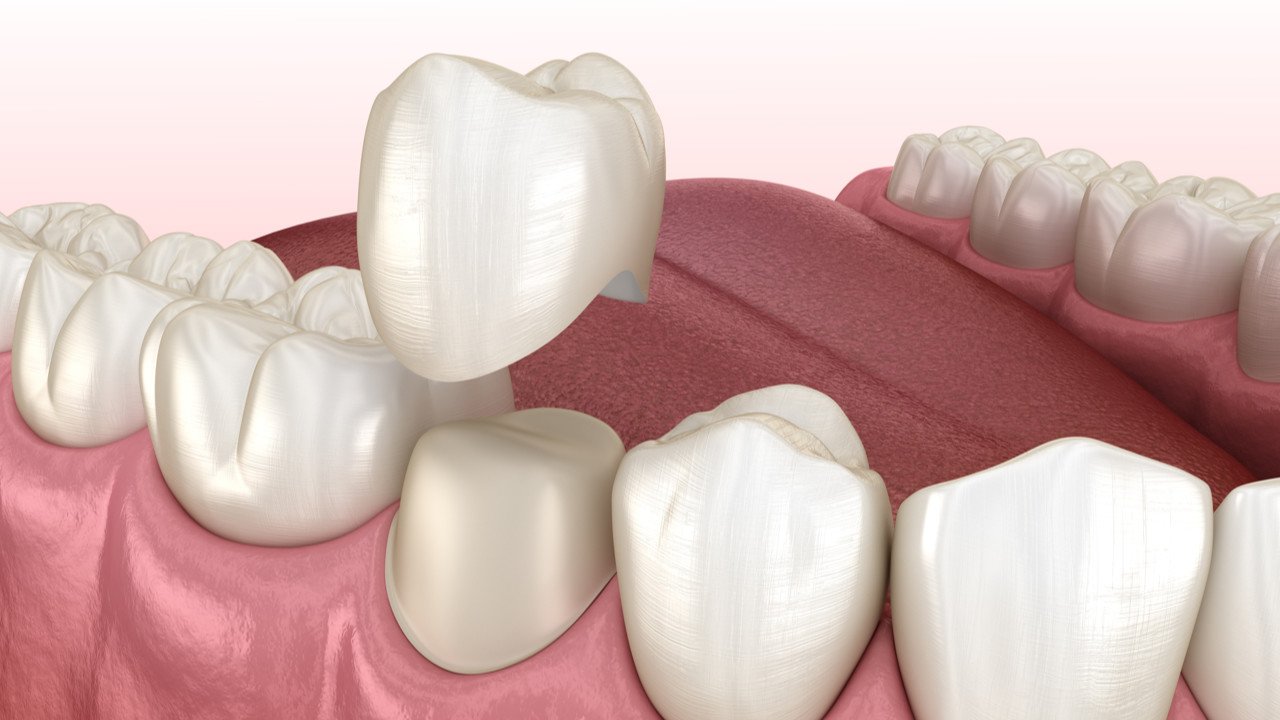
So what kind of treatments are we talking about? Well, for minor chips, maybe simple dental bonding or a cosmetic filling. Looks good, works well for bigger fractures. A dental crown might be needed to cover and protect the whole tooth like a helmet. And if the pulp inside is damaged or infected, a root canal might save the tooth, or sometimes extraction is necessary to stop the infection spreading.
The key is their thorough assessment. Dr. Smith and the team use their expertise. Sometimes advance imaging for hitting cracks, then clearly explain the best options for you. Honestly, we’ve seen so many cases where catching it early saved patients’ pain time, and a lot of money later on. That makes perfect sense.
So the message really is clear. Don’t wait. If you notice a visible crack feel, a sharp edge, or any change, when you chew even mild sensitivity, it’s time to make that call. As Dr. Smith, the article highlights the earlier you come in, the more options will have to save your tooth and avoid more invasive procedures.
And remember, York Village Dental welcomes patients from York Kittery and the Portsmouth area. For more information, be sure to visit York Village Dental’s website at yorkvillagedental.com, or better still, call them today at (207) 363-6551 to book your appointment for a free consultation. You’ll be glad you did.
Thank you for joining us for today’s conversation on the hidden dangers of broken or cracked teeth. We hope you enjoyed it, and then we will see you again for our next fun and informative episode of All Things Dental. Until next time, stay safe and stay healthy. Goodbye folks.
Call to Book Your Appointment Today
York Village Dental – Where Beautiful Smiles Begin