
Transcript
Introduction
Welcome back to All Things Dental, brought to you by York Village Dental, your trusted smile experts right here in York, Maine. If you’re missing teeth, you’re not alone, and you’ve got options. Today, we’re breaking down the best of them.
Dental bridges, dentures, implants, and full-arch solutions like All-on-4 and All-on-6. It’s not just about filling gaps. It’s about restoring comfort, confidence, and quality of life.
Why Tooth Loss Matters
Let’s get started. Absolutely. Losing a tooth, or maybe even several teeth, it’s really more than just how it looks.
It can genuinely affect how you eat, how comfortably you eat. Yeah, speaking clearly too, right? Exactly. Speaking clearly and just feeling good about your smile when you’re out with people.
But the great news is modern dentistry has just this huge range of solutions, something for pretty much everyone. That’s what we want to hear, getting people back to living without constantly thinking about their teeth. Right.
Main Tooth Replacement Options
Today, we’re going to walk through some of the main ways folks are replacing teeth. We’ll talk about the traditional options like bridges and dentures. Still very relevant options.
Definitely. Then we’ll spend a good bit of time on dental implants, which, wow, they’ve really kind of changed things, haven’t they? Really have. A major shift.
And those advanced full-arch systems too, like All-on-4, All-on-6. Understanding how they all differ is really key. Like you said, it’s not one size fits all.
Your situation, your health, what you want out of it. It all matters. Perfect.
Dental Implants
Why Implants Are the Gold Standard
Okay, so let’s dive right into the one people hear so much about dental implants. They often get called the gold standard. Why that term? What’s the big deal? Well, that gold standard idea, it really comes down to how incredibly close they get to natural teeth, not just looking like them.
How they work. Exactly. How they function.
And crucially, how they affect your long-term oral health. See, unlike bridges or dentures that kind of sit on top or hook onto other teeth, an implant actually replaces the root of the tooth. Okay, so it’s starting underneath the gum, right down in the bone.
Precisely. It’s usually a small post made of titanium, which is very biocompatible. The body accepts it well.
It gets surgically placed right into the jawbone where that old root was. And that’s not just sticking it in there. There’s a process, right? Oh, yeah.
It’s biological. It kicks off something called osseointegration. Osseointegration.
I’ve heard that term. The bone actually grows onto the implant. Is that it? That’s exactly it.
Osseo means bone. Integration means fusing. So over a few months, your jawbone cells literally grow around and mesh with the titanium surface.
It creates this incredibly strong, stable foundation. Wow. It basically becomes part of you, just like a natural tooth root.
That fusion, that sounds incredibly solid. So once that base is strong, then the fake tooth goes on top. Correct.
Once that osseointegration is solid, we attach a little connector piece called an abutment to the implant. And then your custom-made replacement tooth could be a single crown, maybe a bridge spanning a few teeth, or even a whole arch of teeth gets secured right onto that abutment. Okay.
Benefits of Dental Implants
Okay. So stability is obviously huge. What other benefits really make implants stand out like that? Well, beyond just that rock-solid stability, which means eating corn on the cob, laughing hard, no worries about things moving.
Yeah, no slipping. Right. There’s the comfort.
Because they’re part of your bone, they just feel like your own teeth. You don’t get that rubbing or irritation some people find with dentures, and no need for those messy pastes or adhesives. That alone must be a game changer for some people.
It really, really is. But maybe the biggest long-term advantage is the effect on your jawbone health. Ah, right.
Jawbone Health and Preservation
Because when a tooth is gone, the root’s gone, and the bone, it misses that stimulation. Precisely. Without that root stimulating it, the jawbone can start to, well, shrink or resorb over time.
It just sort of melts away slowly. And that affects more than just your mouth, doesn’t it? It can change your face shape. It absolutely can.
Significant bone loss can make your lips and cheeks lose support. It can lead to that kind of prematurely aged or sunken look around the mouth and jaw. Implants, because they replace the root and fuse with the bone, they provide that stimulation.
They actively help preserve your bone density and maintain your facial structure. That’s something you just don’t get with traditional bridges or dentures. Wow.
So they’re not just filling a space. They’re actually protecting the bone underneath. That’s significant.
It really is. And another big plus implants are independent. They stand on their own.
They don’t need help from the teeth next door. Unlike a traditional bridge. Exactly.
With a traditional bridge, you have to put crowns on the healthy teeth on either side of the gap to hold the fake tooth. Right. And that means shaving down those healthy teeth.
It does. You have to prepare them, reduce their size to fit the crowns. Implants avoid that completely.
Your healthy adjacent teeth stay untouched. Which makes total sense. You want to keep healthy teeth healthy.
Durability of Implants
What about how long they last? Are we talking years? Decades? With good care. And that’s key. Dental implants are designed for the long haul.
Potentially, they can last a lifetime. Now the crown or bridge on top might need replacing eventually say 10, 15, maybe 20 years. Just due to normal wear.
Like any dental work. Just like any dental work. But the implant post itself, the part in the bone, that can be there for decades and decades.
A potential lifetime solution. That’s impressive durability. Okay.
Who is a Good Candidate?
So who’s generally a good candidate for implants? Well, the ideal person is missing one or more teeth. They’re in pretty good general health. And crucially, they have healthy gums and enough good quality jawbone to actually hold the implant securely.
What if there’s been some bone loss already? That doesn’t automatically rule it out. If some bone has been lost, we often have procedures like bone grafting that can rebuild the area, creating enough support. So implants become possible for a lot more people than you might think.
It always, always starts with a really thorough checkup. Some imaging. To see what your specific situation is.
Gotcha. Okay. So that covers single implants or using them for maybe a few missing teeth.
Full-Arch Implant Systems
All-on-4
But what if someone’s missing like a whole arch of teeth? Upper or lower? That’s where we get into things like all on four, all on six. Exactly. For people facing the loss of most or all their teeth in one jaw, these are really powerful techniques.
They give you a fixed, super stable alternative to those traditional removable full dentures. It’s leveraging implants, but on a bigger scale. Okay.
Let’s start with all on four. The name suggests four implants, but there’s a trick to it. There is a bit of smart engineering there.
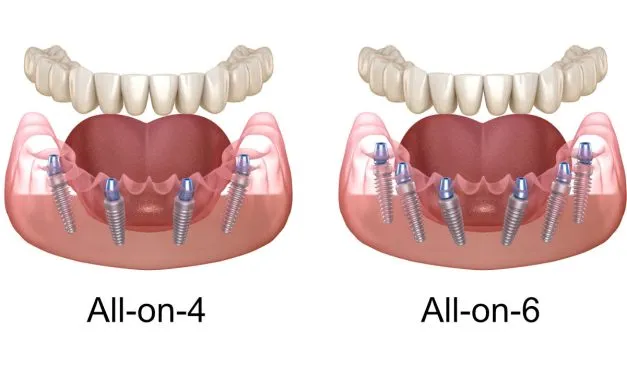
Yes. All on four uses four implants strategically placed. The clever part is often how the back two implants are placed.
They’re usually tilted, put in at an angle. Angled. Why is that? That angle lets us use longer implants, anchoring them into the denser bone that’s usually found more towards the front of the jaw.
It also helps avoid areas in the back where bone might be thinner or where nerves or sinuses are. So it maximizes the use of the bone you do have. Potentially avoiding extra surgery like bone grafts.
Exactly. For many patients, it means they can get the implants without needing preliminary bone grafting, which simplifies things. And this is where that teeth in a day idea comes in sometimes.
Yes. That’s a huge draw for all on four for people who are good candidates. Often on the same day the four implants are placed, we can attach a temporary but fixed, custom made set of teeth.
Wow. So you walk out with a full set of teeth right away. Walk out with a full arch of non-removable teeth.
You can eat carefully, speak, smile. It restores function and appearance immediately while the implants are doing that important healing and fusing underneath over the next few months. That immediate difference must feel incredible.
Oh, it’s truly life altering for many people. You get those functional temporary teeth while the real magic, the osseointegration happens. Then once everything’s fully healed and stable, the final permanent super strong bridge or denture gets attached.
All-on-6
Okay. That makes sense. So then all on six, is it just adding two more implants for extra strength? In essence, yes.
All on six uses six implants across the arch instead of four. Those two extra implants just provide even more support, distribute the chewing forces more widely, more stability overall. And who might need that extra support? When would you go for six instead of four? It’s often a good choice for people who maybe have better bone density to start with, allowing for six placements or perhaps someone with a really strong bite.
Those extra implants just offer a bit more insurance for long-term stability, especially maybe in the upper jaw where bone can sometimes be a little less dense. So it really depends on the individual’s jaw, their bite. Absolutely.
It’s completely tailored. A detailed evaluation, usually involving 3D scans like a CBCT, is essential. It lets us see exactly your bone quantity, the quality, where everything is.
That tells us which system, four or six implants, is going to give you the best, most stable, long lasting result. But both systems offer huge benefits over traditional dentures. Oh, definitely.
Big time bone preservation. They look and feel very natural, incredibly durable. You know, 20 plus years isn’t unusual with good care and just a massive boost in confidence.
Other Tooth Replacement Options
Fixed Bridges
OK. Implants, all on four, all on six. They sound fantastic, very effective, long term.
But they do involve surgery. What about other reliable options? Maybe less invasive or just different? Because implants aren’t for everyone, right? That’s a really important point. Implants are amazing, often the ideal.
But fixed bridges and removable dentures are still excellent, appropriate solutions for so many situations. And they’ve improved a lot over the years, too. Good point.
Let’s talk about fixed bridges, then. How do they compare work-wise to an implant? OK, so a fixed bridge is a more traditional way to replace one or maybe a couple of missing teeth. But you need healthy teeth on either side of the gap.
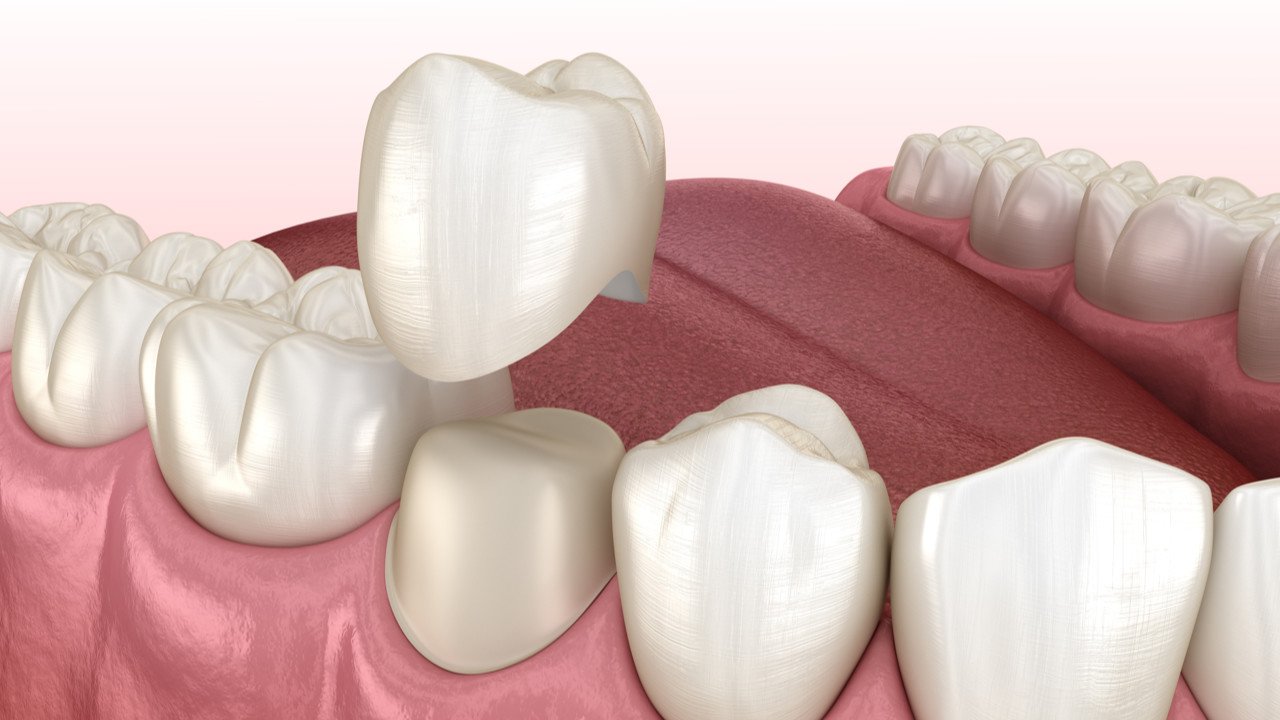
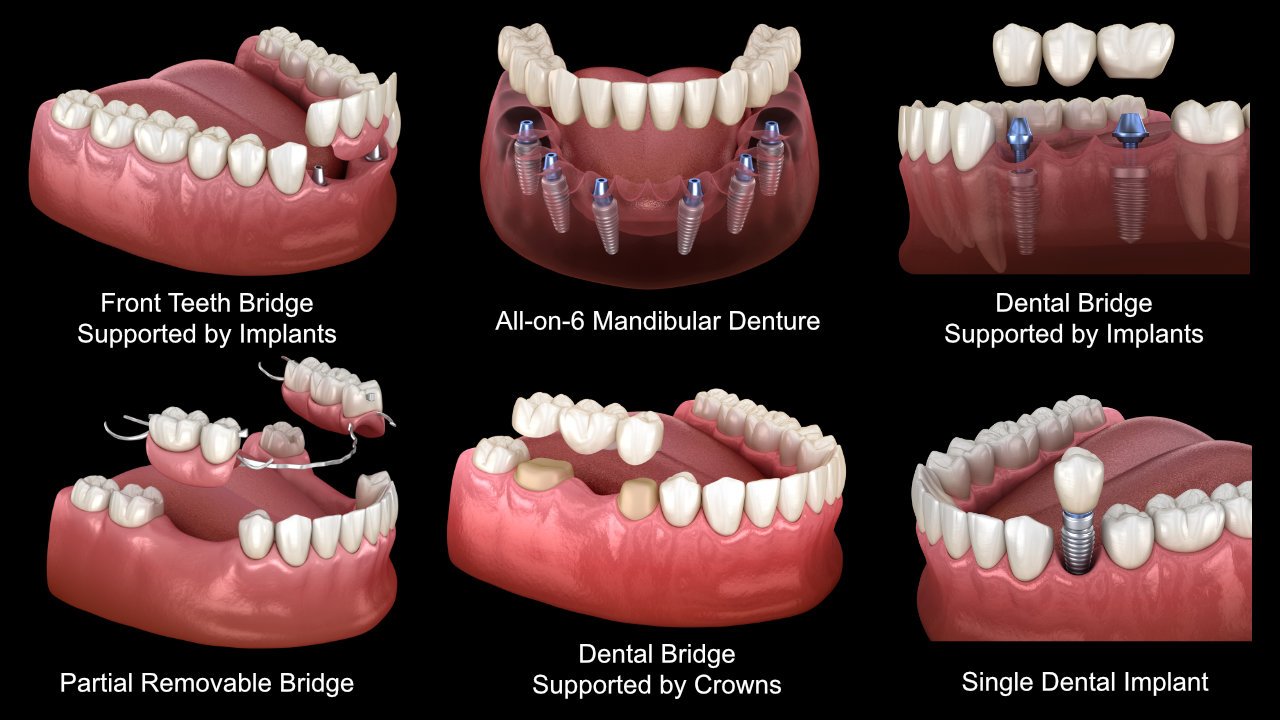
Think of it literally like a bridge spanning that space. You have the artificial tooth or teeth called pontics filling the gap, and they’re held firmly in place by crowns cemented onto those neighboring natural teeth. The abutment teeth, right.
Those are the abutment teeth, exactly. So the whole thing is fixed, cemented in place, gives you good stability for chewing and speaking, much better than something removable. And maybe faster than the whole implant process or less initial cost sometimes.
Often, yes. The timeline can be shorter and sometimes the initial cost is lower. But what’s the main trade-off we talked about earlier? The big one is having to prepare those adjacent, often perfectly healthy teeth.
They need to be reshaped, reduced in size to accept the crowns that support the bridge. All right, which you avoid with an implant. Correct.
And also, like traditional dentures, bridges don’t stimulate the bone underneath where the tooth was lost. So over time, you can still get some bone resorption in that spot. OK, key difference there.
Dentures
Then we have dentures, probably the most well-known option, partial and full, right? Yeah. Partial dentures are removable. You use them when you’re missing some teeth, but still have some healthy natural ones remaining.
They usually have replacement teeth set in a pink gum-colored base. Acrylic, maybe some metal. Right.
Sometimes acrylic, sometimes a light metal framework for strength. And they usually have little clasps or clips that gently grip onto your existing teeth to hold it in place. So flexible, removable for cleaning.
Exactly. They’re quite versatile, often a more budget-friendly choice, especially if you’re missing teeth in different spots. The downside can be stability because they’re removable and rely on those clasps.
They might not feel as secure as something fixed. Maybe shift a tiny bit sometimes. OK.
And then full dentures, when all the teeth are gone in an arch. Right. Full dentures replace all the teeth in either the upper or lower jaw or both.
And honestly, modern full dentures are worlds away from what maybe your grandparents had. Yeah. Better fit, look more natural.
Much better fit, much more comfortable, and aesthetically very natural looking now. They’re custom-made using really precise techniques and materials. They rest right on your gums and the underlying bone ridge.
And they help with function, but also just filling out the face. Yes, definitely. They restore your ability to chew food much better than having no teeth.
Help with speech. And they provide that crucial support for your lips and cheeks, preventing that sunken appearance that can happen with total tooth loss and bone shrinkage. So still a very valuable option.
Absolutely. While they are removable, and stability relies on suction and how well they fit the gums, less stable than implants, for sure for many people, they’re a perfectly good, accessible way to get function and appearance back. It really sounds like there’s a whole spectrum, from removable dentures up to fixed bridges, and then the integrated stability of implants and these full arch systems.
Exactly. And finding the right spot on that spectrum is about matching the solution to your specific clinical needs, your bone, your lifestyle, what you expect, and yes, your budget too. Okay.
The Treatment Process
Planning and Preparation
Let’s touch on the process. If someone decides to go forward, especially with implants, what’s the general roadmap look like? Sure. For anything involving implants, it always starts with really careful planning.
That means a thorough exam, taking digital x-rays, and very often getting a 3D scan, like a cone beam CT scan or CBCT. Those 3D scans are pretty amazing, right? They show everything. They’re invaluable.
They give us this incredibly detailed three-dimensional picture of your jawbone, where the nerves are, the sinuses, everything we need to plan the implant placement with extreme precision and safety. So planning is step one, and it’s critical. Absolutely.
The foundation. Based on all that info, we create your personalized treatment plan. Then comes the actual implant placement.
It’s typically done right in the dental office, under local anesthesia, so you’re comfortable. Numbed up, basically. Completely numb.
And for anyone who feels anxious, sedation options are usually available too to help you relax. The implant is then gently placed into the precise spot we planned in the jawbone. And afterwards, much pain.
You know, most people say the discomfort is pretty manageable, usually controllable with standard over-the-counter pain relief, like after having a tooth taken out.
Healing and Integration
Then comes that really important healing phase. The osseointegration we talked about.
Exactly. Where the bone fuses to the implant. That can take anywhere from, say, three to six months, sometimes a bit longer, depending on you and where the implant is.
So that’s the waiting period before the final teeth go on. That’s the main waiting period. During that time, for single implants or maybe a bridge, you might have a temporary tooth or appliance.
With all-on-four, like we said, you often get those temporary fixed teeth right away. Then, once the bone is fully fused and the implant is rock solid, we start the process of making and attaching your final restoration, the permanent crown, bridge, or full arch of teeth. That involves taking super accurate impressions or digital scans to make sure the fit, the bite, the look, everything is perfect.
Maintenance and Care
Okay. And once those beautiful new teeth are in place, how do you take care of them to make sure they last? Maintenance must be key. Oh, maintenance is absolutely crucial.
It’s vital for the success of any tooth replacement, but maybe especially for implants in the long run. Yeah. While the implant itself, the titanium, can’t get a cavity.
Right. It’s metal. The gum tissue and bone around it can still get inflamed or infected.
It’s similar to gum disease around natural teeth, but around an implant, we call it periimplantitis, and that can actually cause the implant to fail if it’s not treated. So it’s all about keeping the gums healthy around the implant. Precisely.
So daily cleaning is non-negotiable. Brushing thoroughly at least twice a day. And cleaning between the teeth and around the implant restoration is critical.
Flossing. Flossing is essential. And for implants, sometimes special tools are really helpful.
Little interdental brushes that go between or a water flosser. Those can be fantastic for cleaning underneath bridges or around implant crowns where a regular brush or floss might struggle. Yeah.
I can see how a water flosser would be really good for flushing things out around fixed work. They’re excellent tools for implant care. And just as important, regular professional checkups and cleanings.
Your dental team has special instruments to clean around implants safely without scratching them, and they can monitor the health of the gums and bone levels. Catching any potential problems early. Exactly.
And lifestyle counts too. Smoking is a major, major risk factor for implant problems or periimplantitis. It significantly lowers the success rate.
So best to quit if you’re considering implants. Highly recommended. And just maintaining good overall health helps too.
So yes, there’s a process, especially with implants, but that commitment to taking care of them afterwards is what really ensures you get to enjoy that restored smile for many, many years, potentially decades.
Conclusion
Okay. So let’s bring this back full circle to you, the listener.
If you’re out there dealing with missing teeth, it
Call to Book Your Appointment Today
York Village Dental – Where Beautiful Smiles Begin