

Transcript
Welcome to another episode of All Things Dental brought to you by York Village Dental, your dental experts in York, Maine. On today’s episode, we are discussing tooth extractions and how they help restore balance and functionality to your mouth and teeth. Now, hearing tooth extraction, it can sound, well, a bit intimidating, can’t it? It definitely can make people nervous.
But it’s actually a really common thing in dentistry. Maybe think of it less like losing something and more like pruning a tree sometimes. You take away one part that’s maybe causing trouble to help the whole thing, the whole mouth be healthier.
That’s a really good analogy. It’s not something we do lightly. Saving the tooth is always a priority.
But sometimes an extraction is just necessary to prevent bigger issues or restore proper health. And it’s not all the same either. There are basically two kinds.
Okay. Simple extractions. Those are for teeth you can see easily.
Maybe they’re already a bit loose. Pretty straightforward. And the other kind? Surgical extractions.
These are the, let’s say, trickier cases, like impacted wisdom teeth, the ones stuck into the gums. Ah, yes. The dreaded wisdom teeth.
Exactly. Or maybe a tooth that’s broken off in the gum line. Those might need a small incision.
But the main thing for either type is patient comfort. That’s absolutely key. Comfort is huge.
So why would an adult actually need an extraction besides an obvious accident? Well, severe decay is probably one of the most common reasons. If a cavity gets so bad that the tooth just can’t be fixed. Like beyond a filling or a crown? Precisely.
Removing it stops the infection spreading. Then there are wisdom teeth. Dr. Ryan Smith sees this a lot.
They come in sideways. They get stuck. They crowd other teeth.
Causes pain. Yeah. If they’re causing pain or other problems, then often out they go.
Simple as that. Pretty much. Other things include advanced gum disease, periodontitis.
It can damage the bone holding the tooth so much that the tooth becomes loose. Wow. Okay.
And severe trauma, like a bad break that we can’t repair. Also, sometimes, believe it or not, for braces, we might need to make space. Ah, for orthodontics.
Okay. So walk us through the process. If someone needs one, what happens? Okay.
So first step is always a thorough check. We look at the tooth, go over your health history, and definitely take x-rays. Dr. Smith uses those to see everything below the surface, the roots, the bone.
Get the full picture. Exactly. Then the numbing.
We use local anesthesia so the area gets completely numb. You won’t feel pain during the extraction itself. Maybe some pressure, but no pain.
And what about people who are really anxious? That’s a great point. We talk about options. Sometimes just talking it through helps.
But sedation, like nitrous oxide, laughing gas, is available to help you relax right through it. Making sure you’re comfortable is a really big focus at York Village Dental. That’s reassuring.
So once numb, how does the tooth actually come out? For a simple one, it’s usually quite quick. We use special tools to gently loosen the tooth from its socket and then lift it out. Gently being the key word there.
Absolutely. For a surgical extraction, it might involve, like I said, a small incision in the access. Sometimes if a tooth is really stuck or angled funny, we might need to break it into smaller pieces to remove it easily.
But you’re numb the whole time. The whole time. You won’t feel the pain part.
Afterwards, we put some gauze over the spot to help it stop bleeding. And sometimes a few stitches are needed, particularly after surgical ones. Okay.
The big question then, does it hurt after the numbing wears off? Right. So during no pain, afterwards, yes, you can expect some soreness and discomfort. That’s normal, but it’s usually very manageable with a standard over-the-counter pain relief, like ibuprofen.
If needed, we can discuss stronger options too. And addressing that anxiety beforehand, whether it’s just talking or using sedation, really helps the whole experience feel less stressful. Good to know.
And tics for recovery, for healing like a champ. Yes. Healing well involves a few things.
First, rest up, especially the first 24, maybe 48 hours. No heavy lifting or intense exercise. Got it.
Ice packs on the cheek. 20 minutes on, 20 off can really help with swelling. Keep biting gently on the gauze pad we give you for about 30 to 60 minutes to help stop any bleeding.
And food. What can you eat? Soft foods are your friend at first. Think yogurt, applesauce, mashed potatoes, soups.
Just make sure they’re not too hot. And really important, avoid straws. No straws.
Why? The suction can dislodge the blood clot that needs to form in the socket for healing. Same reason to avoid smoking and also crunchy or hard foods for a few days. Okay.
Protect the clot and keeping it clean. Good question. Day one, leave the site alone.
No brushing right there. But starting day two, you can gently rinse your mouth with warm salt water, especially after meals. It keeps things clean without being too harsh.
How long does healing usually take? Most people feel a lot better within about three to seven days. We should mention dry socket’s not super common, but it happens if that clot gets dislodged too early. It can be painful.
But treatable. Oh, yes. Absolutely treatable.
If you get severe pain a few days after, just give your dentist a call. Makes sense. What about the practical side? Costs, insurance? Costs do vary.
A simple extraction is less complex, so less expensive than a surgical one. Insurance often helps cover it, particularly if it’s needed because of decay or infection. And places like York Village Dental often have payment options because, you know, dental care is an investment.
Right. Which brings us back to that idea of restoring balance. An extraction isn’t just about taking something out, is it? No, not at all.
It’s often the crucial first step towards restoring balance and function. Leaving a badly infected or broken tooth can actually harm the teeth and bone around it. So removing it protects the others.
Exactly. But then you have a gap. And if you leave that gap, other teeth can start shifting or drifting into the space.
That can mess up your bite. It can. It affects how you chew, can cause extra wear on other teeth, and even lead to bone loss in that area over time.
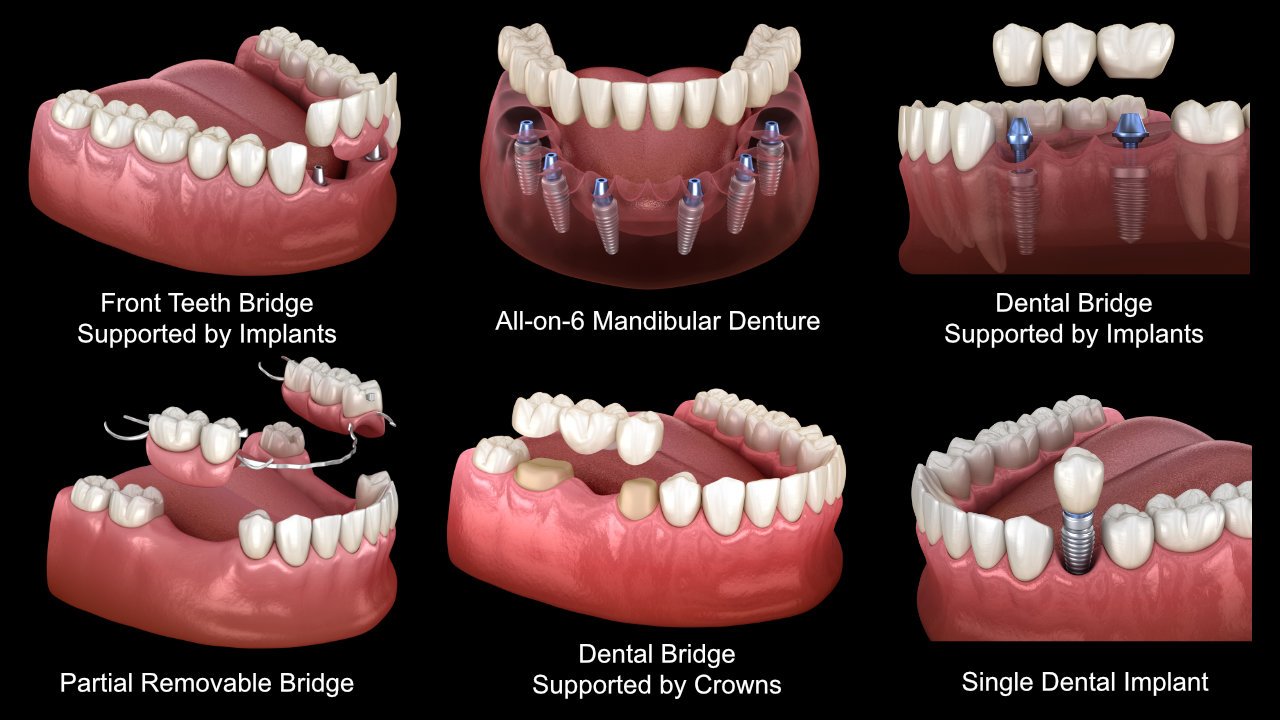
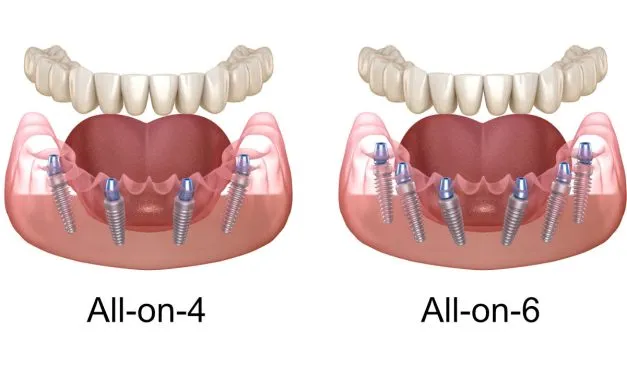
So filling the gap is often really important for that long-term balance. With what? Like implants? Yes. Implants are a fantastic option.
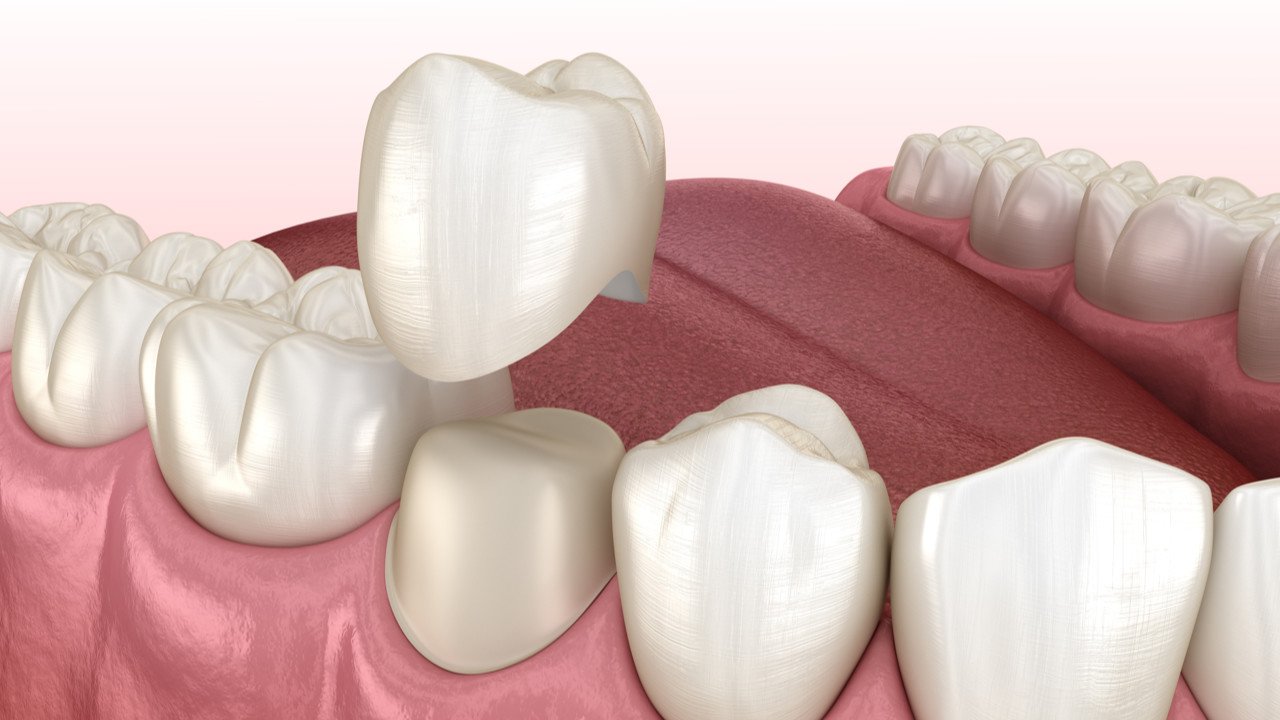
Bridges or even dentures are other ways to replace the missing tooth. These don’t just fill the space cosmetically. They support the neighboring teeth, help you chew properly, and maintain your jaw structure.
It’s about getting everything working well together again. It really sounds like having a dental team you feel comfortable with, one that’s skilled but also caring, is extra important for something like an extraction. It makes a huge difference.
Knowing you’re in good hands, like with Dr. Ryan Smith and the team at York Village Dental, they really focus on combining that technical skill with a compassionate approach. Patients mentioned feeling at ease, knowing they’re being looked after kindly. That full picture, comfortable procedure, clear recovery advice, and then talking about restoring the smile.
Exactly. It’s about seeing the extraction not just as an endpoint, but as a step towards better overall oral health, function, and confidence in your smile. For more information, be sure to visit York Village Dental’s website at yorkvillagedental.com or better still, call them today at 207-363-6551 to book your appointment for a free consultation.
You’ll be glad you did. Thank you for joining us for today’s conversation on tooth extraction, restoring balance and functionality. We hope you enjoyed it and that we will see you again for our next fun episode of All Things Dental.
Until next time, stay safe and stay healthy. Goodbye, folks!