
Are Dental Implants The Right Choice?
Missing teeth can impact more than just your smile—they can affect your ability to eat, speak, and even your self-confidence. For many people, finding the right tooth replacement solution can feel overwhelming with so many options available.
Dental implants are known for their durability, natural appearance, and ability to restore both function and aesthetics to your smile. However, like any dental procedure, they aren’t a one-size-fits-all solution.
It’s important to understand what dental implants are, how they work, and whether they align with your unique dental health needs.
In this comprehensive guide, we’ll explore the benefits, candidacy requirements, and process of getting dental implants. By the end, you’ll have the knowledge to decide if dental implants are the right choice for restoring your smile and confidence.
Let’s get started!
What Are Dental Implants?
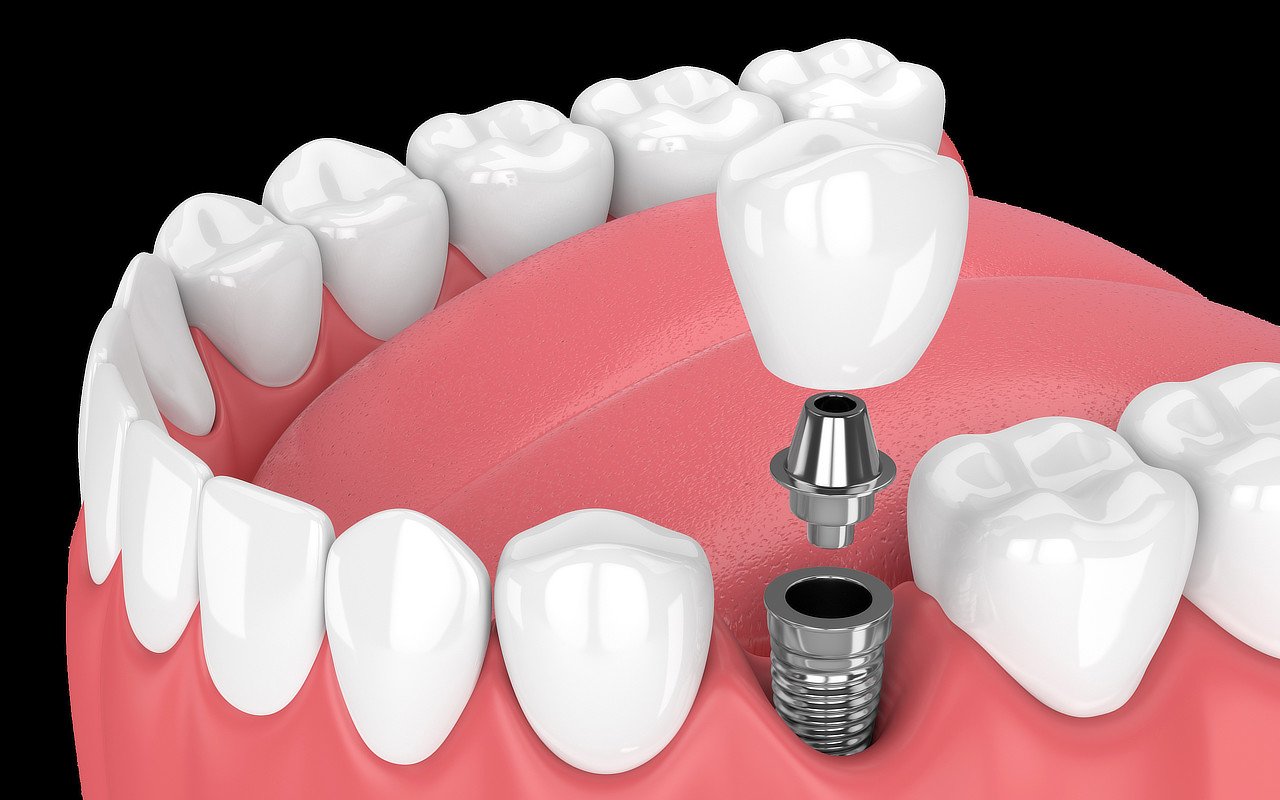
Dental implants are a revolutionary solution for replacing missing teeth, offering a permanent, natural-looking alternative to dentures and bridges. They are designed to mimic the structure of a natural tooth, consisting of three key components:- The Implant: A small, screw-like post made of biocompatible materials, such as titanium, that is surgically placed into the jawbone to serve as the tooth’s root.
- The Abutment: A connector piece that attaches the implant to the replacement tooth or crown.
- The Crown: The visible part of the implant, custom-made to match the size, shape, and color of your natural teeth.
How Do Dental Implants Work?
The process begins with the implant being placed into the jawbone, where it fuses with the bone over several months in a process called osseointegration. This fusion creates a stable foundation for the replacement tooth, allowing it to function like a natural tooth.Types of Dental Implants
Dental implants are versatile and can be used to replace one tooth, multiple teeth, or even an entire arch. The main types include:- Single-Tooth Implants: Ideal for replacing individual missing teeth.
- Implant-Supported Bridges: A solution for replacing several missing teeth in a row.
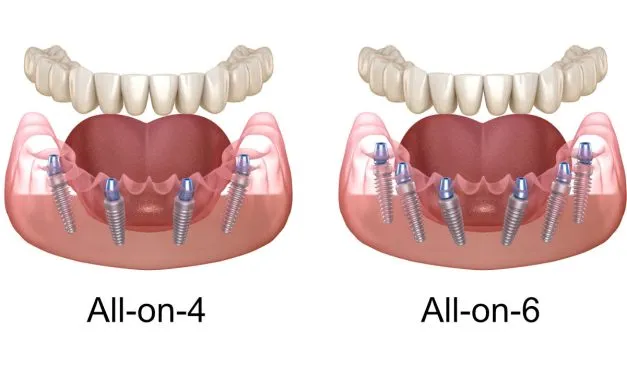
- All-on-4® Implants: A full-arch restoration using just four strategically placed implants.
- Zygomatic Implants: Specialized implants for cases with severe bone loss.
Why Are Dental Implants Unique?
Unlike other tooth replacement options, dental implants integrate directly with the jawbone. This not only provides unmatched stability but also prevents bone loss and preserves facial structure, making them a preferred choice for long-term oral health and aesthetics. By understanding the fundamentals of dental implants, you can start to see why they are considered the gold standard for tooth replacement. Next, let’s explore whether you might be a good candidate for dental implants.Benefits of Dental Implants
Dental implants are considered the gold standard for tooth replacement because of their numerous benefits, both functional and aesthetic. Let’s explore the key advantages that make them a preferred choice for restoring missing teeth:1. Long-Lasting Durability
- Designed to Last a Lifetime: With proper care, dental implants can last decades, unlike dentures or bridges, which often need replacement every 5-10 years.
- High Success Rate: Dental implants boast a success rate of up to 98%, making them a reliable solution for most patients.
2. Natural Look and Feel
- Seamless Appearance: Dental implants are custom-designed to match the size, shape, and color of your natural teeth, ensuring they blend in perfectly.
- Enhanced Comfort: Because they are securely anchored in your jawbone, implants feel and function like natural teeth—no slipping or clicking like dentures.
3. Improved Oral Health
- Bone Preservation: Dental implants stimulate the jawbone, preventing bone loss that commonly occurs with missing teeth.
- Protect Adjacent Teeth: Unlike bridges, implants do not require adjacent healthy teeth to be filed down for support, preserving their natural integrity.
4. Improved Functionality
- Eat with Confidence: Dental implants restore full chewing power, allowing you to enjoy all your favorite foods without restrictions.
- Speak Clearly: Unlike dentures, implants won’t slip or shift, ensuring clear and confident speech.
5. Better Aesthetics and Facial Structure
- Prevent Facial Sagging: By preserving jawbone density, implants help maintain the natural contours of your face, preventing the sunken look often associated with missing teeth.
- Restore Your Smile: Dental implants can dramatically improve your smile, boosting self-confidence and overall quality of life.
6. Convenience and Low Maintenance
- Easy to Care For: Dental implants require the same care as natural teeth—brushing, flossing, and regular dental check-ups.
- No Special Adhesives: Unlike dentures, implants do not require adhesives or special cleaning solutions.
7. Psychological Benefits
- Boosted Confidence: A restored smile can positively impact self-esteem and social interactions.
- Reduced Stress: Knowing you have a permanent solution reduces the anxiety of dealing with removable or temporary tooth replacements.
Why Choose Dental Implants?
The combination of functionality, durability, and aesthetics makes dental implants a transformative solution for those seeking a permanent way to replace missing teeth. They not only restore your ability to eat and speak but also improve your overall oral health and appearance. Now that we’ve covered the benefits, let’s explore whether dental implants are the right choice for your specific needs in the next section.Who Is a Good Candidate for Dental Implants?
Dental implants are a highly versatile and effective solution for tooth replacement, but not everyone may be an ideal candidate. Determining your eligibility depends on several factors, including your oral health, overall health, and lifestyle habits. Let’s explore who makes a good candidate for dental implants and what might impact your ability to receive them.1. General Eligibility Requirements
- Good Oral Health: Healthy gums and a strong foundation of natural teeth or bones are crucial for supporting dental implants.
- Adequate Bone Density: Since the implant is anchored into the jawbone, sufficient bone density is essential for long-term stability. In cases of bone loss, procedures like bone grafting may be necessary.
- Overall Health: Candidates should be in good general health and free from conditions that could impair healing, such as uncontrolled diabetes or autoimmune disorders.
2. Age Considerations
- Adults: Dental implants are ideal for adults of all ages, whether you’re in your 20s or 70s. They are especially beneficial for seniors who have lost multiple teeth.
- Not Suitable for Growing Teens: Because their jawbones are still developing, dental implants are typically not recommended for individuals under 18.
3. Lifestyle Factors
- Non-Smokers Preferred: Smoking can interfere with the healing process and increase the risk of implant failure. While smokers can still receive implants, they may need to quit or reduce smoking for better outcomes.
- Commitment to Oral Hygiene: Candidates must be willing to maintain excellent oral hygiene to prevent infections around the implant site.
4. Health Conditions That May Affect Candidacy
- Gum Disease: Active periodontal disease must be treated before implant placement to reduce the risk of complications.
- Chronic Conditions: Conditions like diabetes or osteoporosis can impact healing but may not completely disqualify you if they are well-managed.
- Medications: Certain medications, such as blood thinners or bisphosphonates, may affect your eligibility. Discuss your medical history with your dentist.
5. Additional Considerations
- Extent of Tooth Loss: Whether you are missing one tooth, several teeth, or an entire arch, dental implants can be customized to meet your needs.
- Bone Grafting Needs: If you have experienced significant bone loss, a bone graft or sinus lift may be required to prepare your jaw for implants.
- Budget and Insurance: While dental implants are an investment, many patients find their long-term benefits outweigh the initial cost.
What If I’m Not an Ideal Candidate?
Even if you don’t meet all the criteria initially, many conditions can be addressed to make dental implants a viable option. For example:- Bone loss can be corrected with grafting procedures.
- Gum disease can be treated before implantation.
- Lifestyle changes, such as quitting smoking, can improve outcomes.
How to Determine If Dental Implants Are Right for You
The best way to know if you’re a good candidate is to schedule a consultation with your dentist. During this visit, your dentist will:- Conduct a thorough oral examination.
- Take X-rays or 3D imaging to evaluate bone structure.
- Discuss your medical history, lifestyle, and goals.
When Might Dental Implants Not Be the Right Choice?
While dental implants are an excellent solution for many people, there are certain situations where they might not be the best option. Some of these factors are temporary and can be addressed, while others may require exploring alternative tooth replacement options.1. Insufficient Bone Density
- Problem: The success of dental implants depends on the jawbone being strong enough to support the implant. Significant bone loss may compromise the stability of the implant.
- Solution: Bone grafting or sinus lifts can often rebuild the jawbone to make implants viable.
- Alternative: In severe cases, implant-supported dentures or bridges may be better options.
2. Untreated Gum Disease
- Problem: Active periodontal disease can cause infections around the implant site, leading to implant failure.
- Solution: Treat gum disease with scaling, root planing, or other periodontal therapies before considering implants.
- Alternative: Explore temporary options like partial dentures until gum health improves.
3. Smoking
- Problem: Smoking reduces blood flow to the gums, impairs healing, and increases the risk of implant failure.
- Solution: Quitting or significantly reducing smoking can improve outcomes.
- Alternative: For smokers unwilling to quit, removable dentures may be a better fit.
4. Chronic Health Conditions
- Problem: Conditions like uncontrolled diabetes, autoimmune diseases, or bleeding disorders can complicate healing and increase the risk of complications.
- Solution: Work with your healthcare provider to manage these conditions before proceeding.
- Alternative: Fixed bridges or removable dentures may provide a lower-risk option.
5. Medications That Affect Bone Healing
- Problem: Medications like bisphosphonates (used to treat osteoporosis) or certain cancer treatments can interfere with the bone’s ability to heal around the implant.
- Solution: Your dentist can evaluate the risks and coordinate with your doctor.
- Alternative: Non-surgical options like dentures might be a safer choice.
6. Cost Considerations
- Problem: Dental implants are an investment, and their upfront cost may be prohibitive for some patients.
- Solution: Many dental offices offer financing plans or phased treatment to make implants more affordable.
- Alternative: Dentures or bridges may be more budget-friendly alternatives.
7. Immediate Tooth Replacement Needs
- Problem: The dental implant process can take several months from start to finish, which may not be ideal for patients needing immediate results.
- Solution: Some practices offer same-day implants, but this is not always feasible depending on your case.
- Alternative: Temporary partial dentures or bridges can fill the gap while preparing for future implant treatment.
8. Fear of Surgery
- Problem: Some patients may feel anxious or fearful about the surgical aspects of implant placement.
- Solution: Many dentists offer sedation dentistry to help alleviate anxiety during the procedure.
- Alternative: Consider non-surgical options like dentures if surgery is a significant concern.
9. Age Restrictions
- Problem: Dental implants are not suitable for children or teens whose jawbones are still developing.
- Solution: Wait until the jawbone has fully matured.
- Alternative: Temporary options like partial dentures can provide a solution until implants become viable.
10. Oral Hygiene Commitment
- Problem: Poor oral hygiene can lead to infections around the implant, potentially causing failure.
- Solution: Commit to a rigorous oral hygiene routine, including brushing, flossing, and regular dental check-ups.
- Alternative: Removable options like dentures may require less ongoing care.
When to Consider Alternatives
If any of the above factors apply to you, discuss your concerns with your dentist. They can recommend alternatives such as:- Traditional bridges or dentures.
- Implant-supported dentures, which may require fewer implants and less bone density.
- All-on-4® implants, which can work for patients with minimal bone in strategic areas.
Next Steps
Even if dental implants are not currently the right choice, advancements in dental technology and tailored treatment plans mean that many barriers can be overcome. If you’re considering implants but have concerns, consult with your dentist to explore your options and determine the best solution for your dental health. In the next section, we’ll discuss alternative tooth replacement options and how they compare to dental implants.Alternatives to Dental Implants
While dental implants are a highly effective solution for replacing missing teeth, they are not the only option. Depending on your oral health, budget, and personal preferences, there are several alternatives to consider. Let’s explore the main alternatives to dental implants, including their benefits and drawbacks. 1. Traditional Dental Bridges
A dental bridge replaces one or more missing teeth by anchoring a prosthetic tooth (or teeth) to adjacent natural teeth.
- Benefits:
- Faster and less invasive than implants.
- Provides a natural appearance and restores chewing function.
- More affordable upfront compared to implants.
- Drawbacks:
- Requires adjacent healthy teeth to be filed down for support.
- Does not prevent bone loss in the jaw.
- May need replacement every 5-10 years.
- Best For: Patients missing one or a few teeth who want a quicker, less invasive solution.
2. Dentures
Dentures are removable appliances that replace missing teeth. They are available in full or partial sets, depending on the extent of tooth loss.
- Benefits:
- Affordable and widely available.
- Can replace multiple missing teeth or a full arch.
- Non-invasive with no surgery required.
- Drawbacks:
- Can feel uncomfortable or unstable, especially when eating or speaking.
- Requires daily maintenance and occasional adjustments.
- Does not prevent jawbone deterioration.
- Best For: Patients seeking a cost-effective, non-surgical solution for extensive tooth loss.
3. Implant-Supported Dentures
This hybrid solution combines the stability of implants with the affordability of dentures. A few implants anchor the dentures securely in place.
- Benefits:
- More stable and comfortable than traditional dentures.
- Prevents bone loss in areas where implants are placed.
- Can be removed for cleaning or fixed permanently.
- Drawbacks:
- Requires surgery to place implants.
- Higher cost than traditional dentures.
- Best For: Patients with extensive tooth loss who want added stability but at a lower cost than replacing every tooth with an implant.
4. Resin-Bonded Bridges (Maryland Bridges)
This type of bridge uses a metal or porcelain framework bonded to the back of adjacent teeth to hold a prosthetic tooth in place.
- Benefits:
- Minimally invasive with no need to file down adjacent teeth.
- Affordable compared to traditional bridges or implants.
- Drawbacks:
- Less durable and may not withstand heavy chewing forces.
- Not suitable for replacing multiple teeth.
- Best For: Patients missing a single tooth in a low-stress area, like the front teeth.
5. Removable Partial Dentures
These are designed to replace one or more missing teeth and are held in place with metal clasps or precision attachments.
- Benefits:
- Affordable and easy to adjust.
- Non-invasive with no surgery required.
- Can be a temporary or long-term solution.
- Drawbacks:
- Can feel bulky and uncomfortable.
- Needs to be removed for cleaning.
- Does not prevent jawbone loss.
- Best For: Patients missing multiple teeth who prefer a removable option.
6. All-on-4® Implants
While technically a form of dental implants, All-on-4® offers a unique alternative for patients needing full-arch replacement.
- Benefits:
- Uses only four implants per arch to support a full set of teeth.
- Less invasive than replacing each tooth individually.
- Prevents significant bone loss and provides a natural look.
- Drawbacks:
- Requires surgery and healing time.
- More expensive than traditional dentures but less than full-mouth implants.
- Best For: Patients seeking a permanent, stable alternative to traditional dentures for a full-arch replacement.
How to Choose the Right Alternative
The right choice depends on factors such as:- Extent of Tooth Loss: Single missing teeth might benefit from bridges, while multiple missing teeth may require dentures or implant-supported solutions.
- Budget: Dentures are the most cost-effective, while implants and All-on-4® are long-term investments.
- Oral Health: Jawbone health and gum condition play a significant role in determining eligibility.
Consultation with Your Dentist
Discuss your needs and preferences with your dentist to weigh the pros and cons of each option. Advanced imaging and evaluations can help determine the most suitable solution for your unique dental situation. Now that you’re familiar with the alternatives to dental implants, the next step is to understand the implant process itself. In the following section, we’ll guide you through the step-by-step process of getting dental implants.The Dental Implant Process
The process of getting dental implants is a multi-step journey that requires careful planning, skilled surgical procedures, and a commitment to healing. While the timeline may vary depending on individual cases, here’s an overview of what you can expect:1. Initial Consultation
- Evaluation and Diagnosis:
- Your dentist will perform a thorough oral examination, including X-rays or 3D imaging, to assess the health of your gums, teeth, and jawbone.
- Treatment Plan:
- A customized treatment plan will be created, outlining the type of implant, number of implants needed, and any additional procedures like bone grafting or tooth extractions.
- Discussion of Costs and Timeline:
- Your dentist will provide a detailed breakdown of the cost and the estimated duration of the process.
2. Preparatory Procedures (If Needed)
- Bone Grafting:
- If your jawbone lacks sufficient density, a bone graft may be performed to strengthen it. This can add several months to the timeline as the graft needs to heal before implant placement.
- Tooth Extractions:
- If a damaged or decayed tooth needs to be removed, this will typically be done before or during the implant placement.
- Sinus Lift:
- In cases where the upper jaw lacks bone, a sinus lift procedure may be necessary to create space for the implant.
3. Implant Placement Surgery
- The Procedure:
- The implant (a small titanium post) is surgically placed into the jawbone. This is typically done under local anesthesia, though sedation options are available for anxious patients.
- Healing and Osseointegration:
- Over the next 3-6 months, the implant fuses with the jawbone in a process called osseointegration, creating a stable foundation for the replacement tooth.
4. Abutment Placement
- Connecting the Implant to the Crown:
- Once the implant has fully integrated with the bone, a small connector piece called an abutment is attached to the implant. This serves as the base for the crown or prosthetic tooth.
- Healing Time:
- The gums will heal around the abutment over 1-2 weeks.
5. Placement of the Crown
- Custom-Made Restoration:
- An impression of your teeth will be taken to design a custom crown that matches the size, shape, and color of your natural teeth.
- Final Attachment:
- The crown is securely attached to the abutment, completing the process.
6. Post-Procedure Care
- Recovery:
- You may experience mild swelling, discomfort, or bruising after each stage, but these symptoms are manageable with over-the-counter pain relievers and should subside within a few days.
- Follow-Up Visits:
- Regular follow-ups with your dentist ensure the implant is healing properly and integrates fully with the bone.
7. Maintenance and Long-Term Care
- Oral Hygiene:
- Dental implants require the same care as natural teeth, including brushing, flossing, and regular dental check-ups.
- Lifestyle Adjustments:
- Avoiding smoking and maintaining a healthy diet can help prolong the life of your implant.
Timeline Overview
The dental implant process can take anywhere from 3 months to over a year, depending on the need for preparatory procedures and the speed of healing. Here’s a simplified timeline:- Consultation and Planning: 1-2 visits.
- Preparatory Procedures: 3-6 months (if required).
- Implant Placement Surgery: 1 day.
- Healing and Osseointegration: 3-6 months.
- Crown Placement: 1-2 weeks.
What to Expect Throughout the Process
The journey to getting dental implants requires patience, but the results are well worth the time and effort. Each step is designed to ensure the implant integrates seamlessly and provides a permanent, stable foundation for your new tooth. In the next section, we’ll address common concerns and questions about dental implants, including pain management, cost, and recovery tips.Addressing Common Concerns – Frequently Asked Questions About Dental Implants
Dental implants are a life-changing solution for many patients, but it’s natural to have questions and concerns before committing to the procedure. Let’s address some of the most common concerns about dental implants to help you feel confident and informed.1. Are Dental Implants Painful?
- During the Procedure: The surgery itself is typically performed under local anesthesia, so you won’t feel any pain. For patients with anxiety, sedation options are often available.
- After the Procedure: Mild discomfort, swelling, or bruising is normal and can be managed with over-the-counter pain relievers like ibuprofen. Most patients report the discomfort is less than they expected.
- What to Expect: The healing process varies, but most patients feel back to normal within a few days after surgery.
2. How Much Do Dental Implants Cost?
- Average Costs: Dental implants can range from $3,000 to $5,000 per implant, depending on factors like location, materials, and additional procedures (e.g., bone grafting).
- Insurance Coverage: While many dental insurance plans don’t cover implants, some may cover parts of the procedure, like extractions or crowns.
- Financing Options: Many dental offices offer payment plans or financing to make the cost more manageable.
- Long-Term Value: Implants are a durable, permanent solution that often lasts a lifetime, making them a cost-effective choice over time.
3. How Long Do Dental Implants Last?
- Longevity: With proper care, dental implants can last 20 years or more, and many patients enjoy them for a lifetime.
- Factors That Affect Longevity:
- Good oral hygiene.
- Regular dental visits.
- Avoiding harmful habits like smoking or teeth grinding.
4. What Is the Recovery Time for Dental Implants?
- Healing Period: While initial recovery after surgery takes about 1-2 weeks, full healing and osseointegration (bone fusion) can take 3-6 months.
- Activity Restrictions: Most patients can return to daily activities within a few days but should avoid strenuous activity for the first week.
- Dietary Adjustments: Stick to soft foods during the healing phase to prevent putting pressure on the implant site.
5. What Are the Risks or Complications?
- Possible Issues: Risks include infection, nerve damage, or implant failure, but these are rare when the procedure is performed by a skilled professional.
- How to Minimize Risks:
- Choose an experienced dentist or oral surgeon.
- Follow post-operative care instructions.
- Maintain excellent oral hygiene.
6. Can I Get Dental Implants If I’ve Experienced Bone Loss?
- Bone Loss Challenges: Insufficient jawbone can make implant placement difficult, but it’s not always a dealbreaker.
- Solutions:
- Bone grafting or sinus lifts can rebuild the jawbone.
- Specialized options like zygomatic implants may work for severe cases.
7. What Are Dental Implants Made Of?
- Materials Used:
- Most implants are made from titanium, which is biocompatible and integrates well with bone.
- Zirconia implants are a metal-free alternative for patients with sensitivities.
8. Can Dental Implants Fail?
- Success Rates: Dental implants have a success rate of up to 98%, but factors like smoking, poor oral hygiene, or uncontrolled medical conditions can increase the risk of failure.
- Signs of Failure:
- Persistent pain or swelling.
- Loosening of the implant.
- Gum infection around the implant site.
9. Are There Age Restrictions for Dental Implants?
- Young Patients: Implants are not recommended for children or teens whose jawbones are still developing.
- Older Adults: There is no upper age limit; implants are a great option for seniors, provided they meet the general health criteria.
10. Do Dental Implants Look Natural?
- Realistic Appearance: Implants are custom-made to match the size, shape, and color of your natural teeth, ensuring a seamless look.
- Patient Testimonials: Many patients say their implants are indistinguishable from their real teeth.
Tips for Addressing Your Concerns
- Ask Questions: During your consultation, don’t hesitate to ask your dentist about anything you’re unsure of.
- Do Your Research: Learning about the process can help ease anxiety and set realistic expectations.
- Trust Your Dentist: Choosing an experienced professional ensures you’re in good hands.
Reassurance for Your Decision
It’s normal to have questions or concerns about dental implants, but understanding the process, risks, and benefits can help you make an informed decision. For Additional Frequently Asked Questions About Dental Implants Click Here.Quick Facts and Tips
Below are some quick facts to help you make an informed decision.Quick Facts About Dental Implants
- Success Rate: Dental implants have a success rate of 95–98%.
- Materials Used: Most implants are made from titanium; zirconia is a metal-free alternative.
- Preventing Bone Loss: Implants are the only tooth replacement option that preserves jawbone density.
- Custom Fit: Each implant is uniquely designed to match your natural teeth in size, shape, and color.
- Longevity: With proper care, implants are a long-term investment, often lasting decades or more.
- Natural Function: Implants restore nearly 100% of natural chewing and speaking ability.
- Healing Time: Osseointegration (bone fusion) typically takes 3–6 months, depending on individual factors.
Tips for Patients Considering Implants
- Consult an Expert: Schedule a consultation to determine your eligibility and discuss treatment options.
- Ask About Financing: Many dental practices offer flexible payment plans to make implants more affordable.
- Maintain Oral Hygiene: Brush, floss, and attend regular check-ups to protect your investment.
In Conclusion
Dental implants are a transformative solution for restoring missing teeth, offering unparalleled durability, natural aesthetics, and long-term oral health benefits. Whether you’re considering implants for a single tooth, multiple teeth, or a full arch, understanding the process, benefits, and potential challenges is key to making an informed decision.
Here’s what we’ve covered:
- What Dental Implants Are: A permanent, natural-looking tooth replacement option that integrates with your jawbone.
- Their Benefits: From preserving bone density to restoring chewing and speaking functionality, implants offer unmatched advantages.
- Candidacy Requirements: Good oral and overall health are essential, but solutions like bone grafting can address common obstacles.
- Alternatives: Traditional bridges, dentures, and implant-supported dentures provide options for those who may not be ideal candidates for implants.
- The Implant Process: A step-by-step journey that ensures long-lasting results.
- FAQs and Concerns: Addressing cost, safety, pain, and other common questions to ease your mind.
Your Next Steps
- Schedule a Consultation: The best way to determine if dental implants are right for you is to consult with a qualified dentist. They’ll assess your unique needs and create a tailored treatment plan.
- Ask Questions: Bring a list of concerns to your consultation to ensure you’re fully informed about the procedure and its benefits.
- Take Action: If you’re ready to restore your smile and improve your quality of life, don’t wait. Dental implants are a long-term investment in your health and confidence.
At York Village Dental, we specialize in helping patients achieve healthy, beautiful smiles with personalized care and advanced dental solutions. Contact us today to schedule your consultation and take the first step toward a brighter, more confident smile!
A Smile That Lasts a Lifetime
Dental implants are more than just a cosmetic improvement—they’re a life-changing investment in your health and well-being. With the right care and guidance, you can enjoy the confidence and functionality of a complete, natural smile for years to come.
Call to Book Your Appointment Today
York Village Dental – Where Beautiful Smiles Begin